

A Big-Hitting 10-Day Northern Morocco Itinerary and Guide
Scribbled by Claire ◊ 27 Jul 2025
Are you planning a trip to Morocco, but don’t know where to start? Here, we talk about the perfect 10 day route through northern Morocco, one that meanders through the best the country has to offer, including UNESCO designated medinas, magnificent coastline and historic cities. It’s got a bit of everything!

Morocco is a diverse country, with dramatic mountain peaks, precipitous cliffside towns, the oldest medinas in the world and contemporary Mediterranean coffee shops. It’s a country of colour and culture – one that kept repeatedly surprising me.
It’s also a country that’s supremely difficult to plan a trip around. There’s just so much to see and do, so how do you decide where to start (and end!)?
We spent six weeks traversing Morocco, with this ten-day northern Morocco itinerary based on a smaller section of that trip. The kingdom can be split into semi-obvious regions, and this particular northern one is exceptionally varied – we think it’s a perfect representation of Morocco if you are taking a shorter getaway!
Along this route there is a wonderful assortment of some of our favourite medinas, mountain adventures and coastal escapades. Plus Morocco’s best Roman ruins at Volubilis, the sublimely peaceful Akchour waterfalls, windswept street art in Asilah, and three of Morocco’s imperial cities. It’s an incredible journey through diverse natural beauty, UNESCO World Heritage Sites and buzzing human hubs.
Do you have a little more time? This northern Morocco itinerary is the perfect route to combine with our coastal odyssey and even the Atlas Mountains, ksars and dunes route through southern Morocco. Have a peek to get more inspiration for your trip!

IN THIS GUIDE //
A Northern Morocco Adventure
About this Itinerary
Number of Days Needed
Day 1-2: Rabat
Optional: Casablanca
Day 3: Meknes
Day 4-6: Fes
Day 7-8: Chefchaouen
Optional: Tetouan
Day 9-10: Tangier
Optional: Asilah
Optional: Lixus
Northern Morocco – a Google Map
Travelling to Morocco
Transport Options for this Route
Best Time to Visit Northern Morocco
Final Thoughts
This post may contain affiliate links. If you book through these links we may make a small commission at zero cost to you. It helps us pay for the upkeep of this blog. Thank you!
Our Highlights of this Ten-Day Trip
Exploring the blue alleys of Chefchaouen
Hiking to the emerald-green Akchour Falls
Perusing the distinctive street art of Asilah
Staring at Spain from Tangier’s legendary Kasbah
Exploring the wild coast south of Tangier
Marveling at Africa’s second largest mosque
Watching the sunset over the ancient Medina of Fes
Standing under the Gates of Meknes
Discovering the Roman Ruins of Volubilis
–
About this Ten Day Northern Morocco Itinerary
The below map is a representation of this northern Morocco loop. There are three routes on the map:
Green: the northern loop (for this post)
Red: the coastal route
Blue: the southern mountains and deserts (our favourite area)
These three itineraries (kind of) encompass most of what we did during our six week road trip!
We’d recommend having a read of the other routes to see if any of them pique your interest, since they can be very easily combined (which is what we did).
Our other itinerary posts also include extra content on what to wear in southern Morocco, best time to visit Morocco’s coast and lots more destination information.

Number of Days for this Route
This northern Morocco loop (the green route above) is perfect for a 10-day trip.
However, if you’re blessed with a few extra days, there are lots of add-ons we’ve mentioned and it’s always great to spend a little longer in any of the destinations!
Having some spare days would enable a quick stop in Marrakech, too, which is an easy two-hour train journey, or four-hour drive, away from Casablanca (we’ve done the journey via road and train and they’re both comfortable).
It’s also possible to condense this route down to a week if you’re strapped for time, or desperately want to include Marrakech as well. For more information on Marrakech, check out our Atlas Mountains itinerary. The best way to complete this loop in the fewest days is by rental car, which we highly recommend.
You can begin wherever you like – it’s a nice little loop, so there’s no order or direction that makes a difference. We’ve chosen to start the itinerary at Rabat as that’s where we ended our trip.
Itinerary Overview
Rabat (1-2 days)
Optional: Casablanca (1 day)
Meknes (1 day)
Fes (2-3 days)
Optional – Al Hoceima (2 Days)
Chefchaouen (2 days)
Optional: Tetouan (1 day)
Tangier (2-3 days)
Optional: Asilah (1 day)
–
RELATED POST | 31 ESSENTIAL MOROCCO TRAVEL TIPS
Days 1-2: Rabat
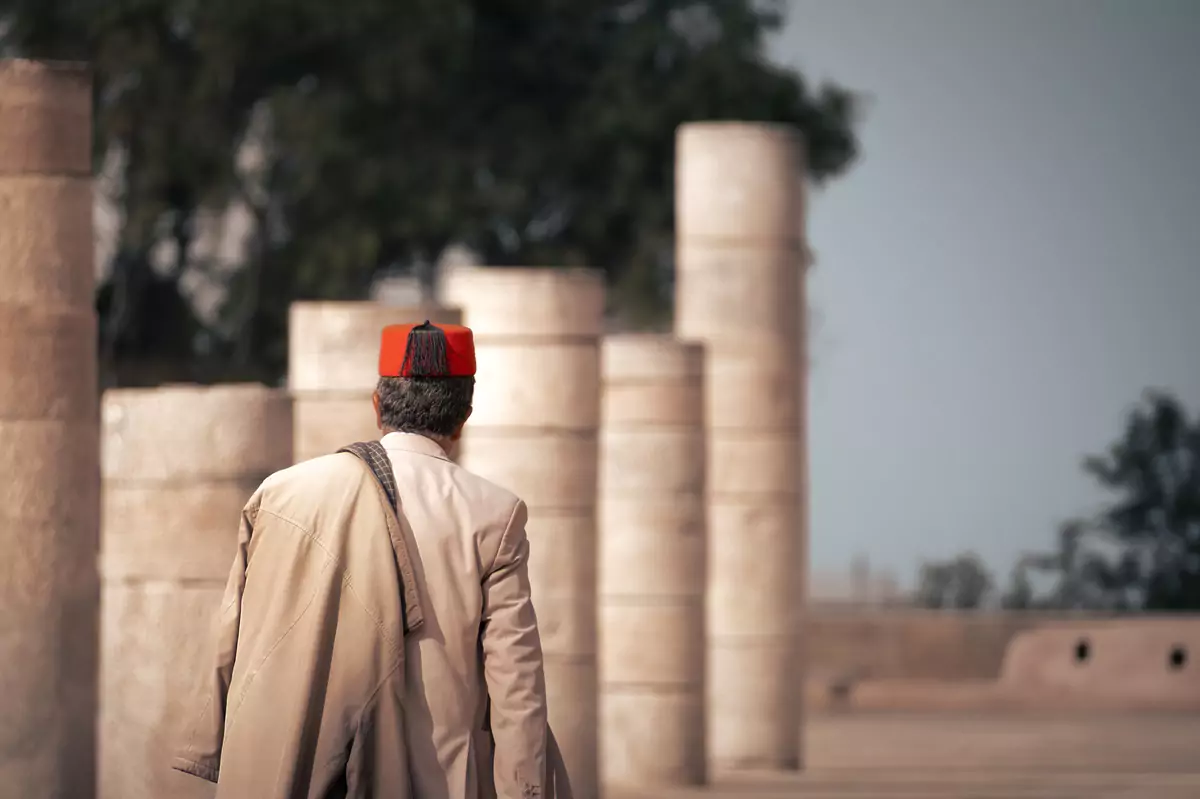
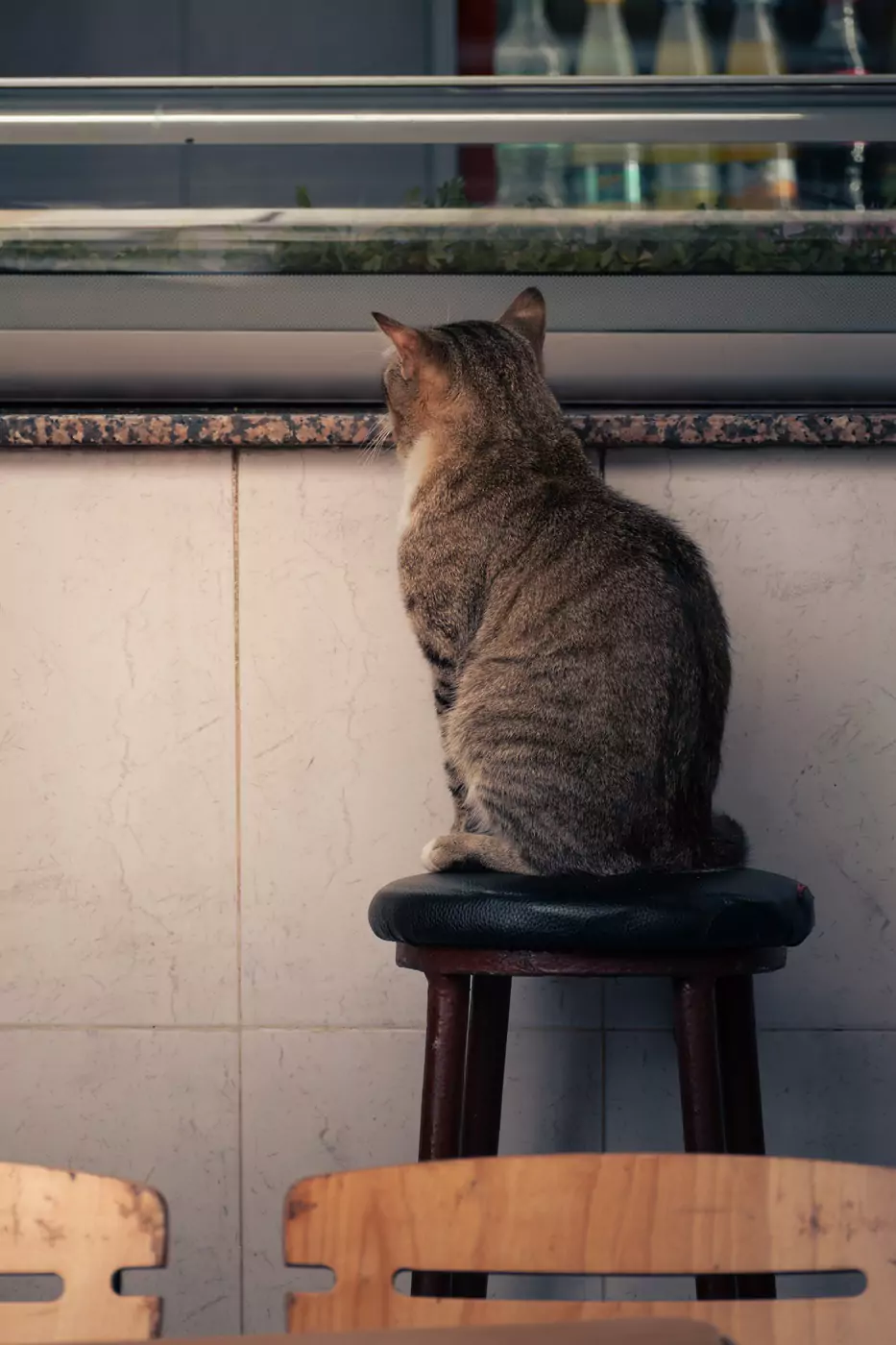
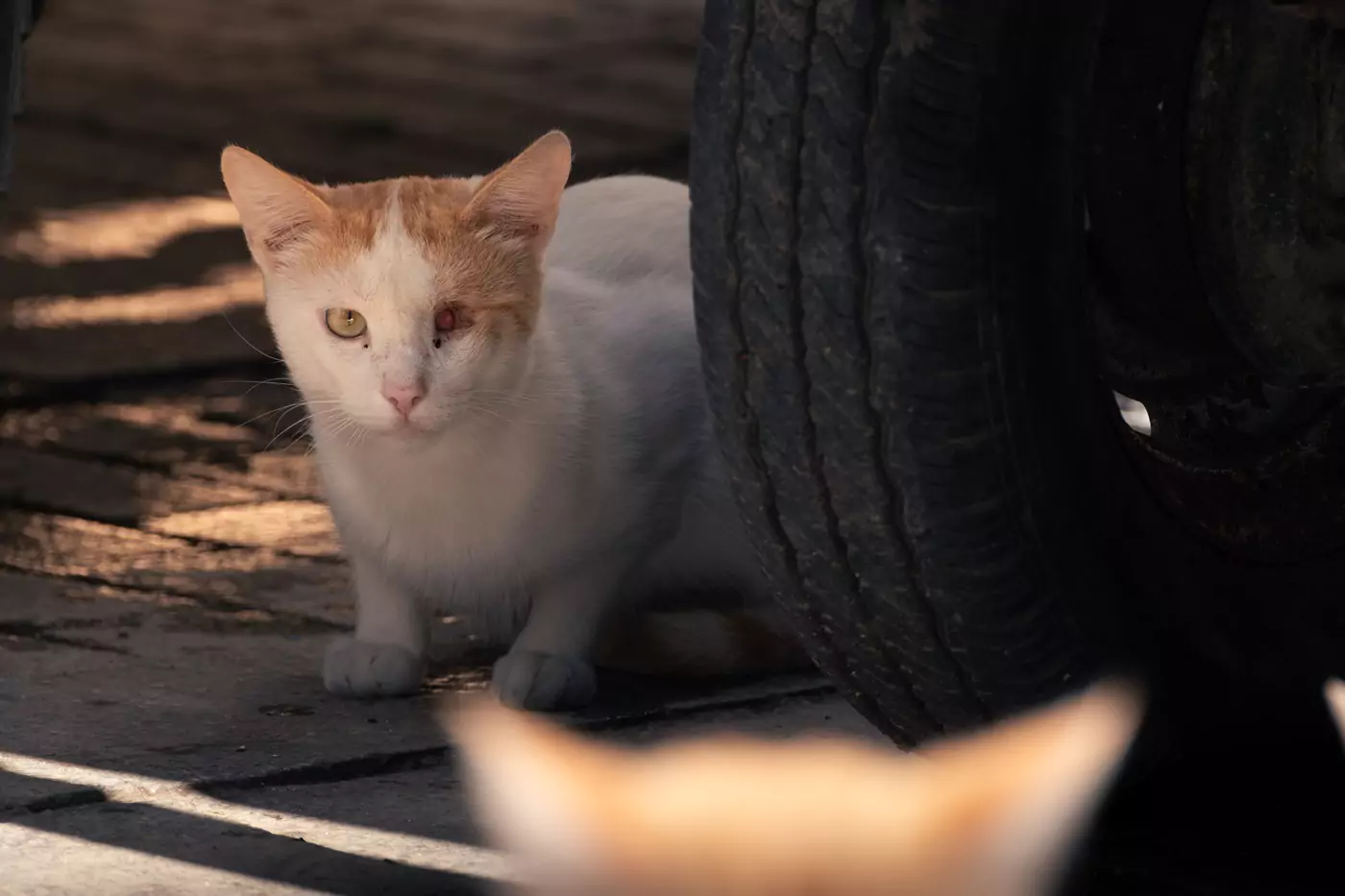
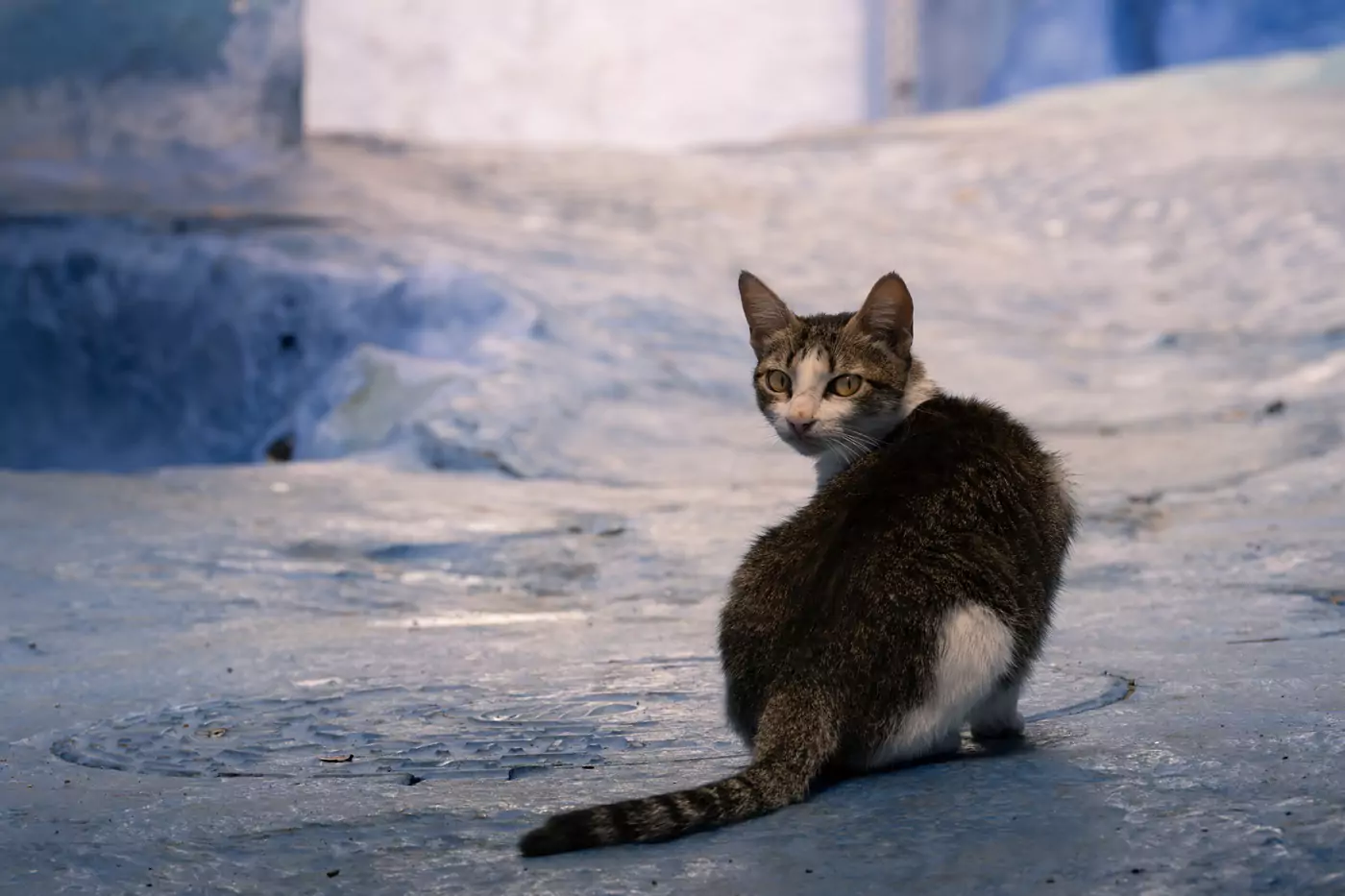
We really, really loved the cat-filled city of Rabat.
It’s the official capital of present-day Morocco (and one of the four imperial cities of Morocco, three of which are included on this itinerary!).
Rabat has this low key, compact feel to it when compared with every other Moroccan city we visited. There’s the old town medina, with its markets, beautiful riads and white kasbah, all overlooking a sandy beach dotted with surfers. It doesn’t feel like a traditional capital city, at all.
Rabat probably has the lowest harassment coefficient of any major town that we visited, too (not that Morocco is much hassle anyway, despite misleading reports to the contrary). The markets are far more aimed at residents than tourists, nobody really shouts at you to buy stuff, and the beautiful coffee shops along the white, old town walls are filled with men having their mint tea in the evening.
The city makes for a particularly great place to start a Moroccan adventure if you are concerned about stress and hassle (although please don’t be!).
How to Spend Your Day in Rabat
Lighthouse of Rabat | a 30-metre-tall lighthouse from the 1920s, worth a quick visit, especially at sunset.
Rabat’s Medina | crammed with shops and hidden dars and riads, this medina is the typical tightly packed maze of buildings. The main market area can be found around Rue Souika, along with abundant oil, fruit and vegetable vendors. It’s not enormous, compared with other cities, so budget around 2-3 hours for your self-guided wander.
Andalusian Gardens and Kasbah | tucked away behind the thick, high walls of Kasbah des Oudayas is this free-to-visit garden which provides a nice little sanctuary among the citrus and palm trees. Check out the adjacent Cafe des Oudayas for mint tea, some cake and a stunning view! Taking a wander around the Kasbah will take 1-2 hours, depending on how long you linger.
Corniche Bouregreg | a flat promenade by the Oued Bou Regreg, offering an alternate, less-busy route to the main sites of Rabat, without heading back through the medina.
Mausoleum of Mohammed V and Hassan Tower | these free-to-enter sites are found in the south-east of Rabat’s medina. The Hassan Tower’s unfinished red sandstone minaret stands near the 1960s mausoleum with its guards and intricate Islamic decorations inside. Lastly, enjoy the outstanding views from here across to the Grand Theatre de Rabat. It’s a beautiful spot to sit outside with a picnic in nice weather – the views stretch for miles and there’s an abundance of green space to chill out. Budget several hours for wandering around the area.


What to Eat
In Rabat, we mostly just ate snacks on our meanders around the city!
Our favourites were these spicy msemen breads from along the Avenue Mohammed V in the old town (I’m not sure of the names of the places because they were in Arabic). If you eat meat, these same places often serve habricha, an affordable spiced lamb sandwich for 7-8 MAD, or sardine sandwiches (10-20 MAD), which everyone raves about (both are specialities in Rabat). They’re perfect for a particularly affordable snack or lunch on the go.
There’s also a bunch of affordable bakery-type places that serve baklava and knafeh, plus falafels (you can get a huge wrap for 20 MAD). We stayed near a place called Syrian Dessert which we ate from a few times – highly recommend.
We also had mint tea and cakes at Cafe des Oudayas purely for the location on the edge of the kasbah (although the tea and food was decent, too).
We, as vegetarians, stuck mostly to bread, cake and vegetables, like always in Morocco (it’s not the most inspiring country if you are there long-term as a vegetarian – there’s only so much veg couscous, falafel and tagine that you can eat every day before craving *literally* anything else).
So for a dietary change, we popped into Boho Cafe, near the train station, for a proper lunch which was magical and full of epic desserts and brunchy options (sometimes I just need quality pancakes, eggs, avocado and bagels, and this place delivered).
Where to stay in Rabat
We chose to stay in a riad centrally located in Rabat’s old town, called Riad Dar Soufa. It’s within walking distance of everything, including the train station and the bus stop to the airport. The owner was super friendly, spoke fantastic English and gave us lots of cake and tea on arrival! She also gave us a full map and guide of where to visit in the city, which was super helpful, too. The room was surprisingly spacious and really comfortable, as well.
For a more modern hotel outside the medina (with parking), I would choose to stay in MyCity, an aparthotel with excellent, secure parking and quality, modern apartments, just a several-minute walk from the train station.
–

OPTIONAL STOP – CASABLANCA (1 DAY)
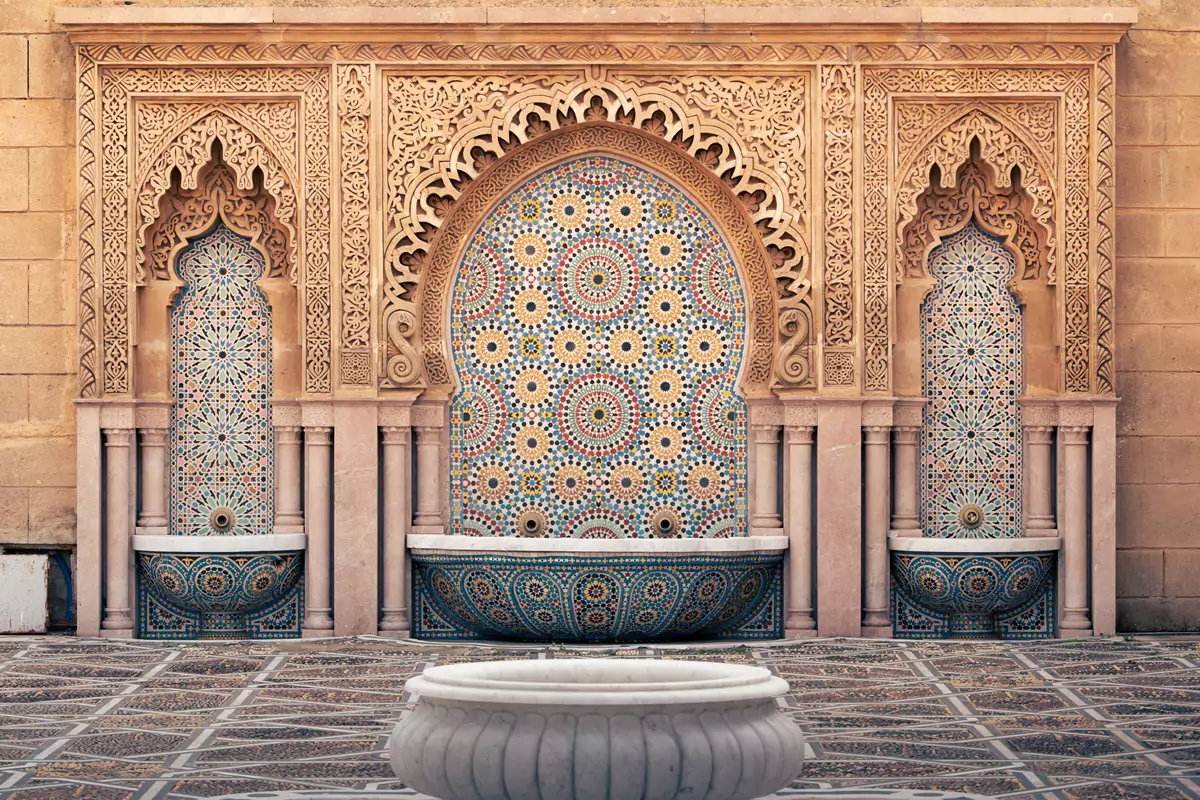
Casablanca, Morocco’s largest city, is a place that seems to divide people. Some, like us, love it and others, well, not so much!
Casablanca is only one-hour by car or train down the coast from Rabat. It’s so convenient that visiting for the day is a no-brainer.
Whether you want to spend a full day exploring the city or not, the 210-metre-high, ocean-front Hassan II Mosque is an absolute must-visit. This grandiose, magnificent structure is Africa’s second largest mosque and one of the only mosques in Morocco you can visit as a non-Muslim. It’s incredible.
The enormous building sits pride of place on a promenade; it’s location is absolutely wild with the huge Atlantic waves literally smashing against the side of it.
Entry to the mosque is only possible as part of an arranged tour and you cannot book tickets online, so you must go in person to buy them. Alternatively, you can arrange a tour in advance and someone will sort tickets for you, saving you a trip. There’s even the option for a hotel pick up! Don’t forget to dress appropriately.
We’d recommend having a look at tours on Get Your Guide, where you can check prices and reviews.
The cost for adults is 140 MAD.
There’s also the option of staying overnight in Casablanca, rather than a day trip, which we did (and recommend). However, it depends on the amount of time you have spare.
Our Casablanca hotel | we stayed in a super-modern business hotel called the Odyssee Boutique, which was strangely posh (for us), outrageously comfortable and incredible value for money. We even had a high floor with nice views. We’d fully recommend. (it is handily located near the old town, train station and is an easy 45-minute walk to the Hassan II Mosque).
–


Day 3: Meknes
The UNESCO designated Meknes, another of Morocco’s four imperial cities, is a seriously underrated spot in Morocco.
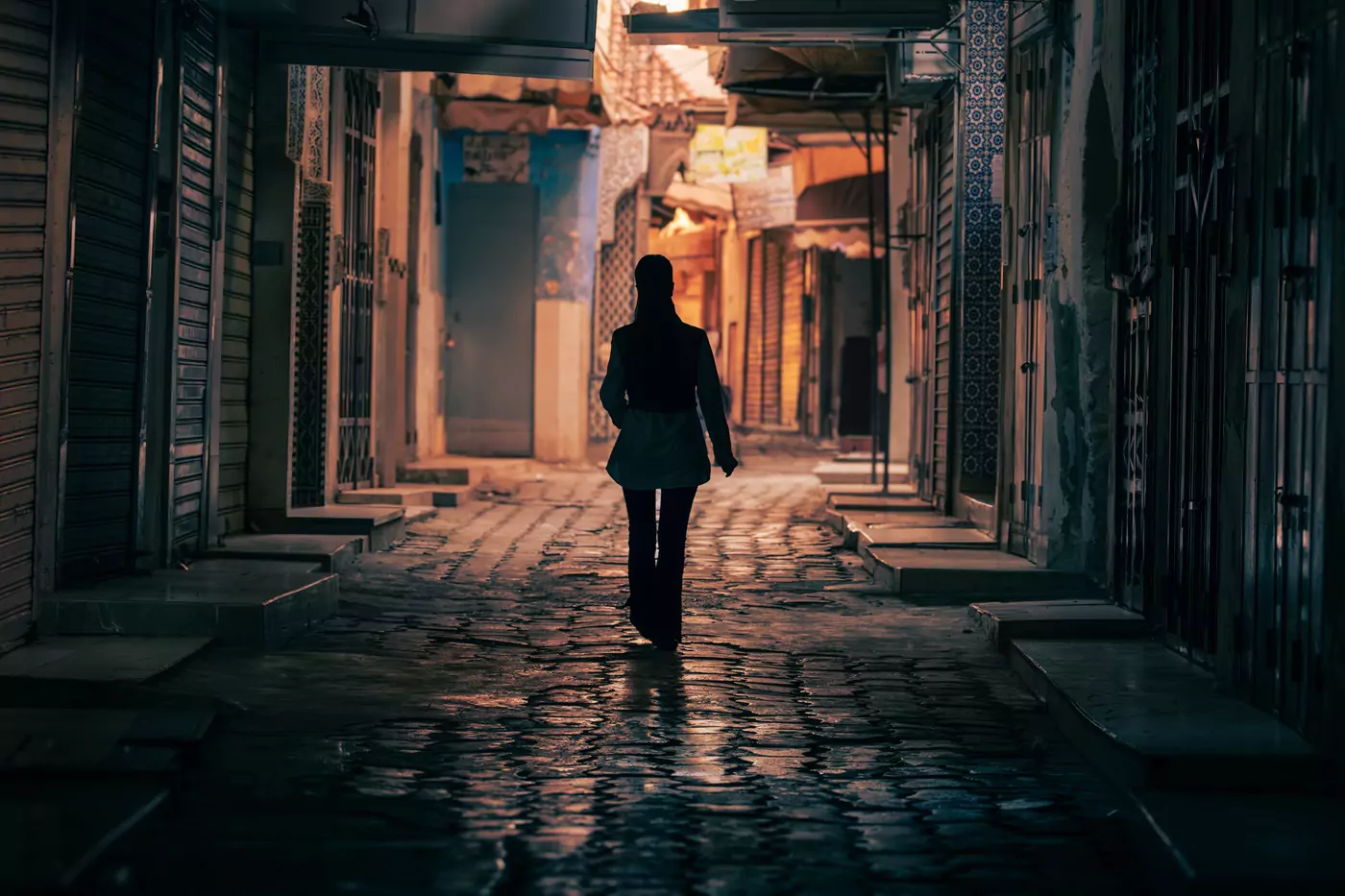
Like Rabat, it’s far less visited than Marrakech or Fes, and you can notice this, immediately. It’s energetic and chaotic, but as a tourist, nobody takes much notice of you (outside of a few main streets). It’s really quite hospitable, with so much less touristy tat and touts than in nearby Fes, while still having a really fascinating, noteworthy medina (which is absolutely *rammed* full of cats).
People were so friendly – I even got my hand henna’d for free in a car park from a group of lovely ladies!
The city is famous for its incredible aswab (which means plural gates in Arabic – bab is the singular). These enormous, intricate constructions are worth visiting the city for, alone. Check the status of them before visiting as they’re currently undergoing substantial, long-term restoration (although the city is worth visiting, regardless).
Tip | if you’re low on time, it’s possible to visit Meknes from Fes as a day trip.
How to Spend Your Day in Meknes
Check out the aswab | the enormous gates into the old town of Meknes are truly something to behold – with towering wooden doors surrounded by intricate patterns, zellij tiles and Islamic inscription. They’re currently undergoing restoration efforts, as per the above.
Place Hadim | a quieter version of Marrakech’s Jemaa el-Fnaa, Meknes’ main square is a great place to stop for a coffee, a snack and people watch. There’s always a number of stalls selling trinkets and food, and it gets busier towards the evening. This spot is one of the more touristy zones in Meknes, where you’ll see more of the usual tourist traps (like overpriced drinks and dodgy sellers!).
Meknes Medina | the UNESCO listed old-town is full of market stalls selling the usual staples of olives, textiles, hand-made crafts, fruits and snacks. The merchants are far less pushy here compared to Fes or Marrakech, so you can have a quieter wander through. We picked up our daily breads and fruit from here.
Dar Jamaii Museum | a late 19th century palace with gardens that is now a really cool museum, filled with Moroccan artwork, pottery, musical instruments and other antiquities. It’s really intricate and worth visiting just for the architecture, alone. Entry is 30 MAD per adult.
Mausoleum of Moulay Ismail | located not far from Place Hadim, this is resting place of Meknes’ founder and is (unsurprisingly) grand in design. Take a wander through the courtyards with their fountains, and explore the multitude of high ceiling rooms with intricate zellij tile work and chandeliers. No fee to enter, but you can donate to the conservation. The mausoleum is shut between 12-3pm.
What to Eat
In Meknes, we grabbed some breads and fruit from a market stall around Al Hadeem Square and the medina (it was a very on-the-go kind of day).
We did have two restaurants recommended to us by people who had visited previously:
Restaurant Daar Baraka, which actually has a vegetarian and vegan page on their menu (but also really interesting looking meat dishes, too, like beef and plum tagine, and camel meatballs).
Aisha, which has a more straightforward menu but the local food is apparently top-notch.
Note | Pavillion Des Idrissides was packed for sunset when we were there, but it seems like a bit of a tourist trap, so we don’t overly recommend visiting. Check it out though if you want a drink with a classy view of the gates and square (but read reviews first).
Where to stay in Meknes
In Meknes, the best option is to stay in a riad near the medina.
We choose Riad Yacout due to its particularly strategic location. This turned out to be an excellent choice, situated right opposite the main city parking, located in the pretty main square (next to the gates), with some particularly friendly attendants who looked after our vehicle.
The room was far nicer than we were expecting (it was the first riad we stayed in!), and the building and rooftop were beautiful. The traditional breakfast was one of the better ones, too.
–

On the Way – Volubilis and Moulay Idriss Zerhoun
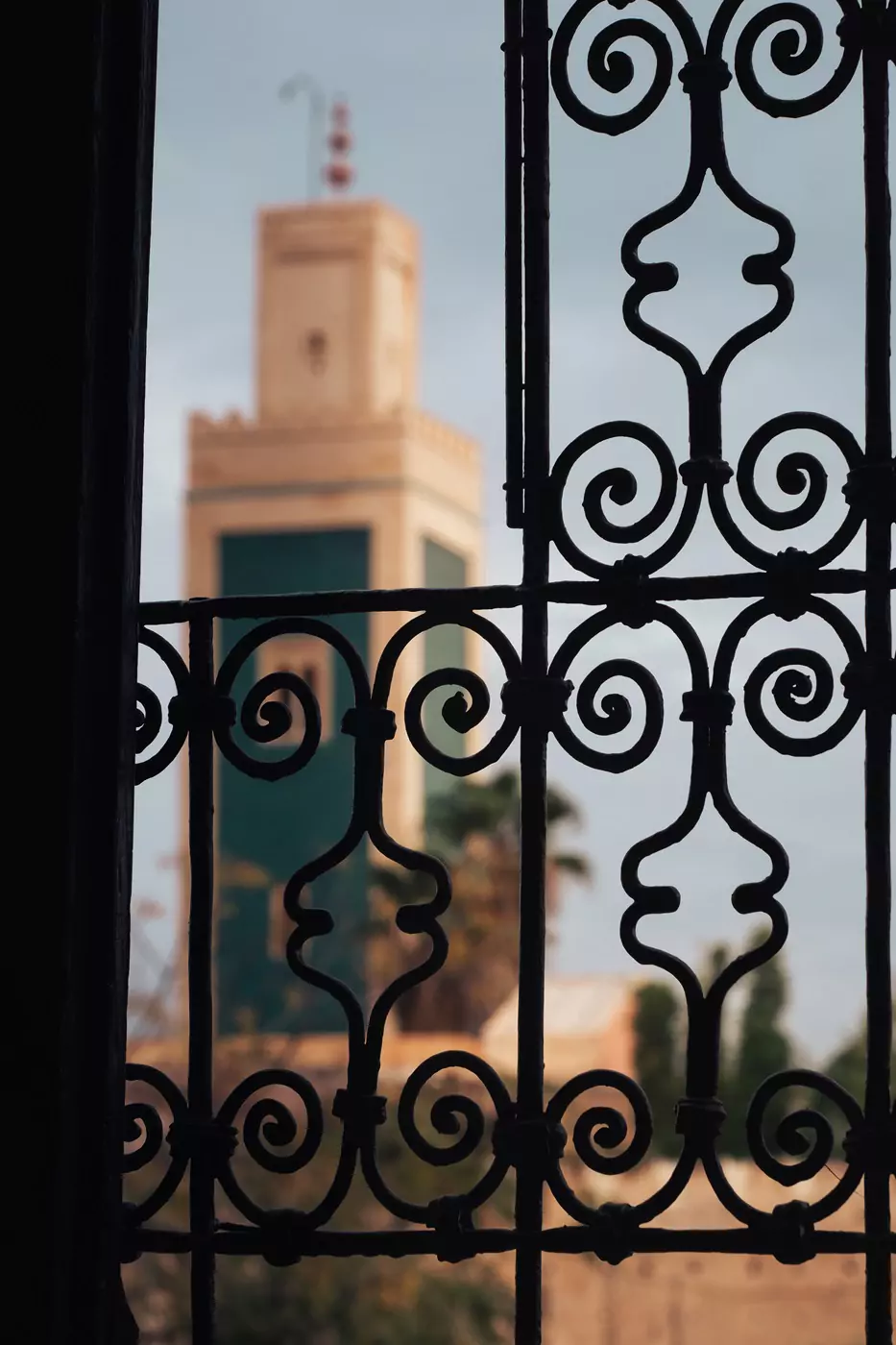
A Little north of Meknes and west of Fes is Morocco’s premier Roman Ruins, the UNESCO designated Volubilis.
Easily reached as a day trip from either city, Volubilis is a worthwhile trip for any history fan, with panoramic views and few crowds. If you don’t have your own transport, loads of organised tours run from Fes (many include Meknes as a day trip, too).
If you have a rental car, Volubilis is conveniently located between the two cities, making it a perfect stop between them – we did this while driving from Meknes to Fes.
Volubilis is also located next to another historically significant site – the town of Moulay Idriss Zerhoun. This is the resting place of the first Islamic ruler and founder of modern-day Morocco. The town is really picturesque, layered up a dramatic, protruding hill. If you drive there, be aware that every single man will try and get you to park in his lot – we’d recommend parking next to the hospital.
There’s a striking aqueduct at the back of the city to check out, too.
The scenery is particularly lovely out here, with some wild roads and adventures to be had if you have a rental car (we ended up a bit off road on the side of a mountain when taking a ‘shortcut’ to Fes – it was beautiful, wild, and hilarious).

Car Hire for Your Morocco Trip
We always rent our vehicles all over the world, including our recent trips in Oman, Saudi Arabia, Tunisia, Jordan, Qatar and Morocco, with Discover Cars. They’re often the most affordable, plus they paid out immediately on an insurance claim we made when our car took some heavy damage in Sicily. We fully recommend them.
–
TAKE A LOOK BELOW OR CHECK CAR RENTAL
Days 4-6: Fes
Fes is a paradox.
It’s so striking, individual and distinctive. It’s also demanding, wearying and chaotic. I loved it and, in equal amounts, was infuriated with it, daily!
Fes is a can’t-miss destination in Morocco for most people, though, and home to the world’s oldest surviving medina. This UNESCO designated ancient old city (called Fes el-Bali) has an unfathomable ten thousand alleyways and streets which sprawl indiscriminately across the shallow hills of the city.
This seemingly endless city is an adventure to explore on foot, a simple activity that is worth several days of your time (and is totally free!). Exploring is totally doable without a guide, too, if that’s your preference (it’s ours, and we didn’t even manage to get properly lost!). Having said that, if you’re short on time, we’d recommend getting a guide who can help get you around the complex maze with the most efficiency!
We spent three days walking through these alleys, accompanied by our adopted dog, who we named Sausages. She waited outside our riad everyday for us and I was distraught to leave her behind when we left.
Fes is not that much hassle, despite what people may say – just ignore anyone who tries to direct you somewhere (easy) and never look lost (this one is trickier). Also, it’s worth noting that this was one of two places in Morocco where we had people try to pick our pockets – so be extra careful.
How to Spend your Days in Fes
Fes el-Bali Medina | get lost in Fes’ thousands of alleys in the heart of the old town. Weave through the tourists and vendors in search of the hidden souks, artisan stalls and mosques (you’ll never find one twice!). You can spend days just doing this.
Visit a Madrasa | within the medina of Fes are a number of Madrasas (a type of school) where tourists can enter for a nominal fee. Notable examples are Bou Inania, Cherratine and Al Attarine, each showing off carved cedar wood, beautiful zellij tileworks and intricate stucco decoration. Our favourites were Bou Inania and Cherratine, the latter being almost empty when we visited (getting away from people in Fes’ medina is basically a miracle). Depending on how long you linger, each Madrasa can be seen in half an hour.
Oldest university | Al-Karaouine Mosque and University is recognised as the longest continuously running educational centre in the world. If you go up the hills outside the Fes Medina, you’ll notice it by the green roof! You can’t go in unless you are Muslim (it’s a active religious establishment), so you can only skirt around the outside. You’re allowed to take a peek inside though and the outside is *grand*.
Tanneries | there are three tanneries within the medina where you can watch leather being work on in the colourful dye pits. The largest of these is Chouara Tannery – be aware of the smell! We did not fancy seeing the rotting skins, so didn’t visit, but found the guys who own the shop at the furthest northern end of N10 to be the most pleasant when we were chatting to them outside. FYI – you’ll usually pay a small fee and be pressured into buying some leather goods – viewing of the actual tanneries is usually pretty quick, though.
Marinid Tombs | just a little outside the town, up upon a hill, lies the remnants of some 14th century mausoleums with absolutely magical, panoramic views over the old town of Fes. This is my favourite spot in the city. Be aware that it’s a bit of an uphill walk.
Sunset at the Old City Wall | away from the noise of the medina, and just a short walk from the Marinid Tombs, is an idyllic spot to catch the sunset. Another of my favourites.


Where to Eat
Ok, so the food scene in Fes is a little chaotic (just like the medina!). There are so many restaurants which makes it inherently difficult to choose. We stayed for three days and I also have no idea where we bought our foodie snacks from (it’s just too complicated to track!).
Here are some places we ate in that we actually do remember the names of, and a couple that were recommended to us:
Bistro Laaroussa – hidden up some steep stairs in a classy looking riad of the same name is this beautiful restaurant, with Moroccan wines, a distinctive menu and smashing views from the terrace across the hills and medina. We were actually taken here by a friend – otherwise we’d never have found it. It’s not the strongest menu for vegetarians, if I’m honest, but the vibes, wine and quality make up for it!
Cinema Cafe – we ordered a decent pancake and an avocado smoothie from here (try to not judge my unhealthy orders). It’s touristy, but easy-going and chill. The menu has clearly labelled veggie foods, which I’m grateful for. It’s a good place to sit and rest your feet for a little bit after a long morning exploring the maze of alleys.
Culture Box – this one is a bit tourist-oriented (not necessarily a bad thing!), but hits all the marks if you’re looking for some international food, salads or veggie options. They also do a bunch of decent traditional Moroccan foods, too.
Fondouk Bazaar – with a fantastic terrace setting and lovely menu, this one is a very popular spot in Fes. They serve tapas style local offerings, with a bit of variety that you don’t see on other menus. This place came *highly* recommended by our friend who lives in Fes, so we’ll be trying this out on our next visit.
Where to stay in Fes
In Fes, we chose to stay in the exquisite Riad Toyeur, which had amazing rooms (the best of our entire trip), fantastic, fluently English speaking staff and a great breakfast.
We specifically loved the convenient location – it honestly can’t be beat, right on the edge of the medina, adjacent to several safe, well organised parking lots.
This one is a genuinely outstanding hotel, check the reviews for it – we wouldn’t hesitate to book again. Be aware that this riad books out, fast.
–

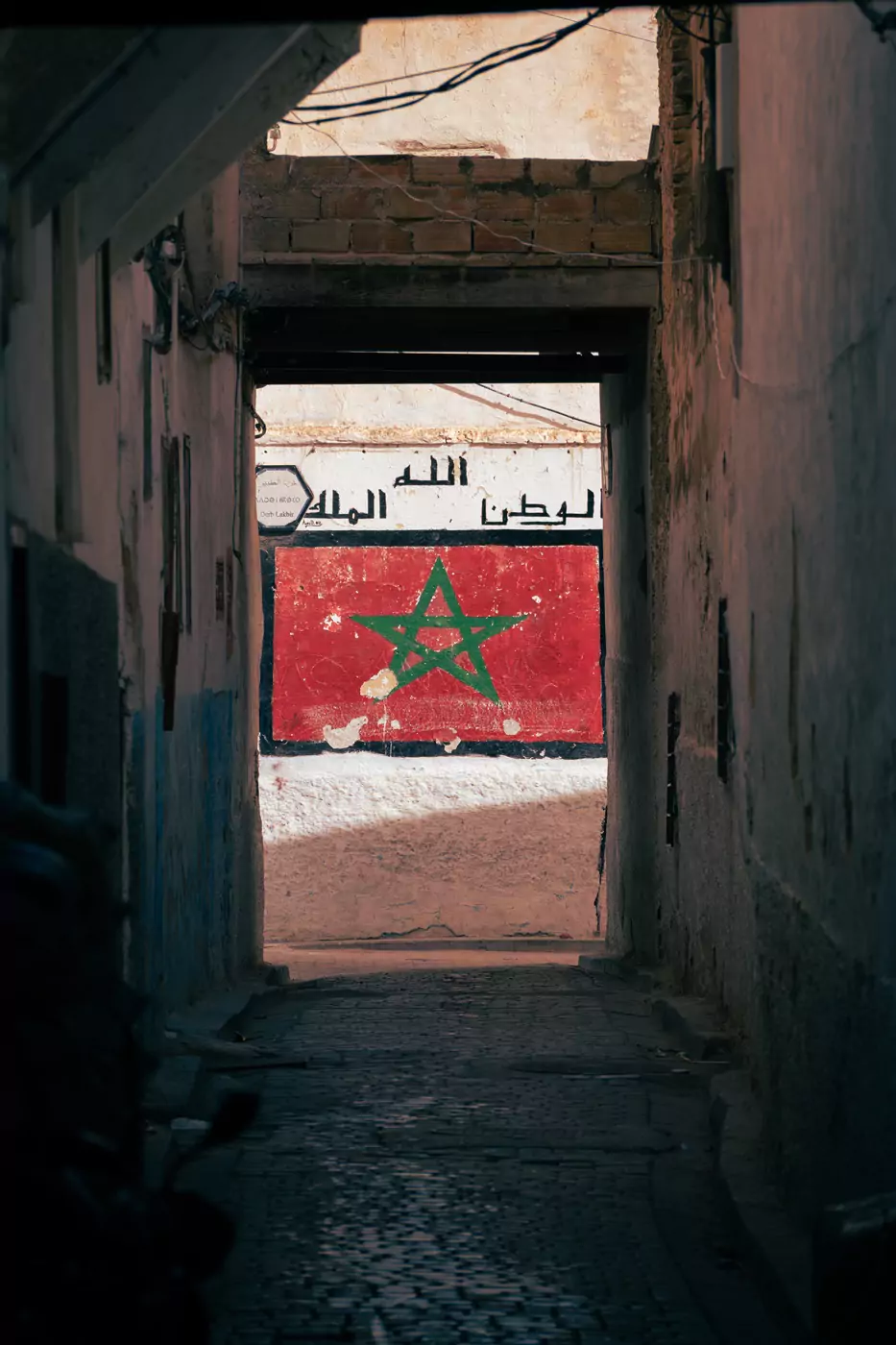
(BIG) OPTIONAL DETOUR – AL HOCEIMA (2 DAYS)
After Fes, there’s a quirky optional add on if you have a car – the coastal resort town of Al Hoceima and its namesake national park.
Perched on the edge of the Mediterranean, towards the border with Algeria, this little seaside town has a very unusual vibe, different to the rest of Morocco.
It’s a great place for cliff-top hiking, beaches stays in summer, some cracking road trip exploration and some off-beat sites.
We’d recommend a few nights in Al Hoceima if you are able to spare them. Our hotel choice was the Mira Palace, a nice, modern hotel perched on cliff with magnificent views, great breakfast and easy parking.
We’ve written a little more about Al Hoceima in our Moroccan coast itinerary.
–

Days 7-8: Chefchaouen
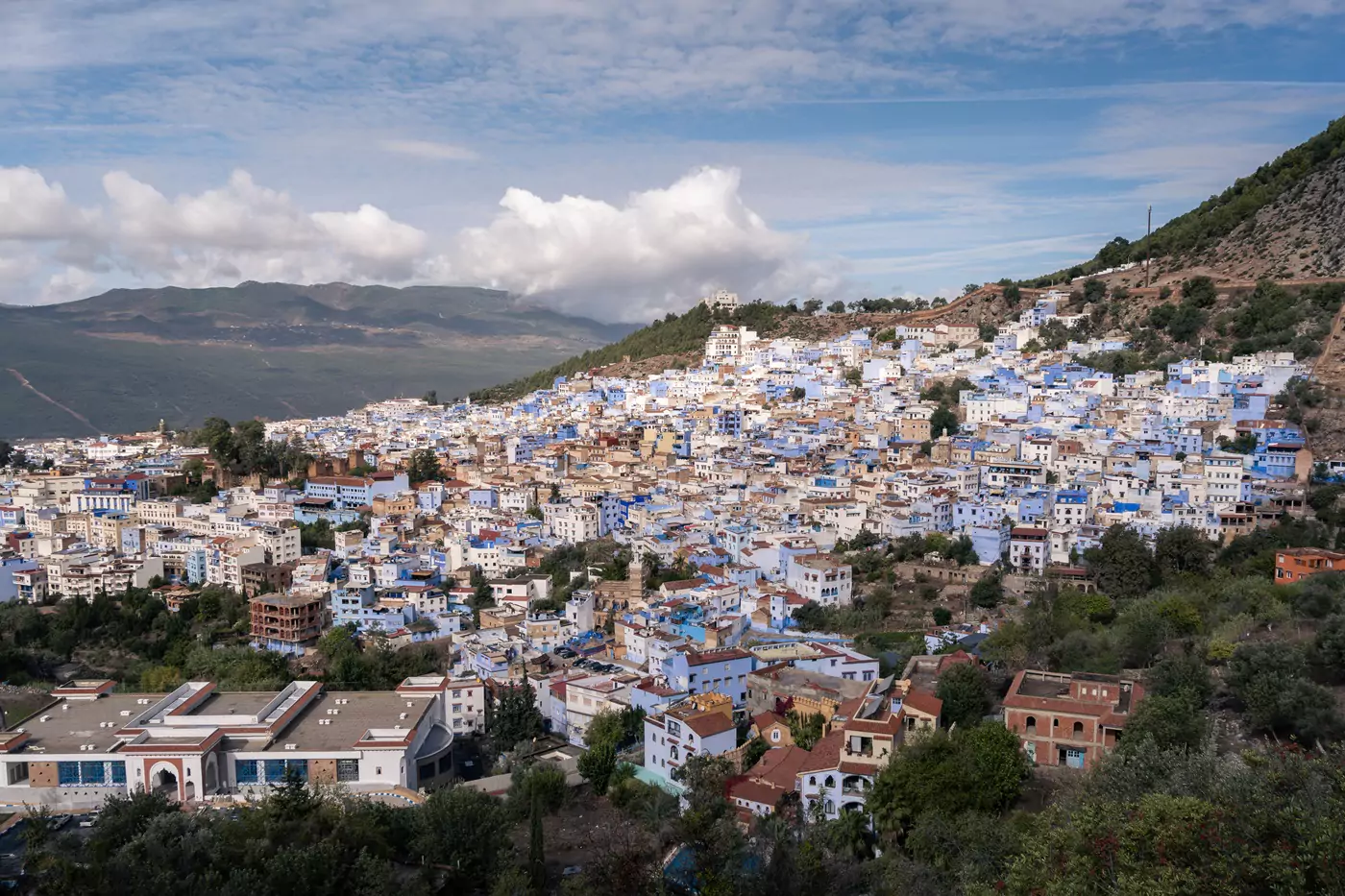
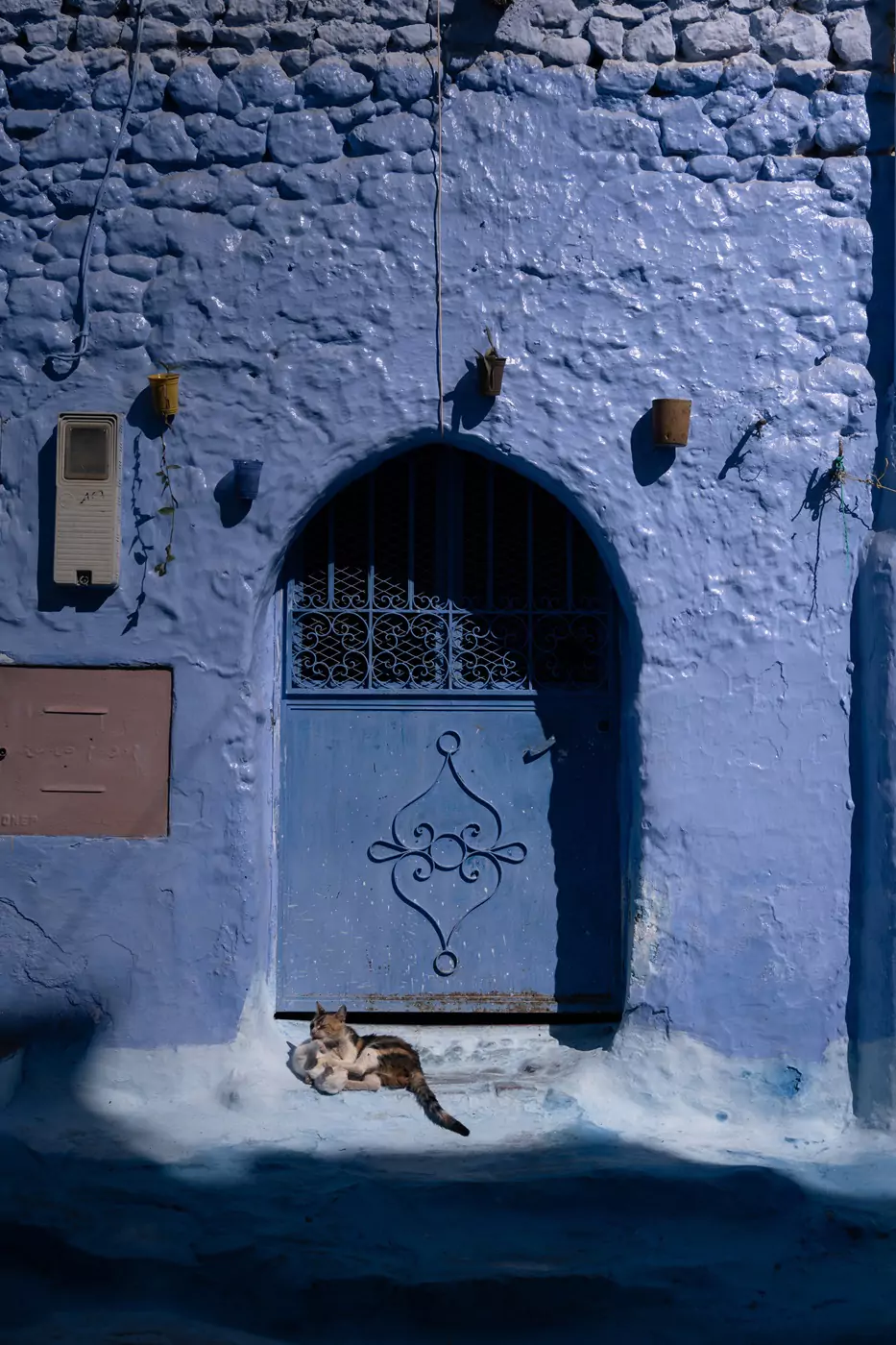
Chefchaouen has to be one of the most photographed, Instagrammed places in Morocco.
It’s just so strikingly, distinguishingly blue.
Sprawling across the foothills of the Rif Mountains, this characteristic little town is a bucket list destination for many, purely due to the blue situation. However, we loved Chefchaouen far more for its surroundings and improbable mountain scenery, hikes, roads and valleys.
The city is touristy, an inevitable result of being such a visually unique destination. However, if you stay overnight, much of the giant throng dissipates, leaving a *relatively* peaceful vibe and beautiful views. It’s always busy, but I found it to be a tolerable kind of tourist scene!
How to Spend Your Days in Chefchaouen
The town of Chefchaouen is tiny, but there’s a decent amount of things to do in the area. Below are few things to consider doing with your day:
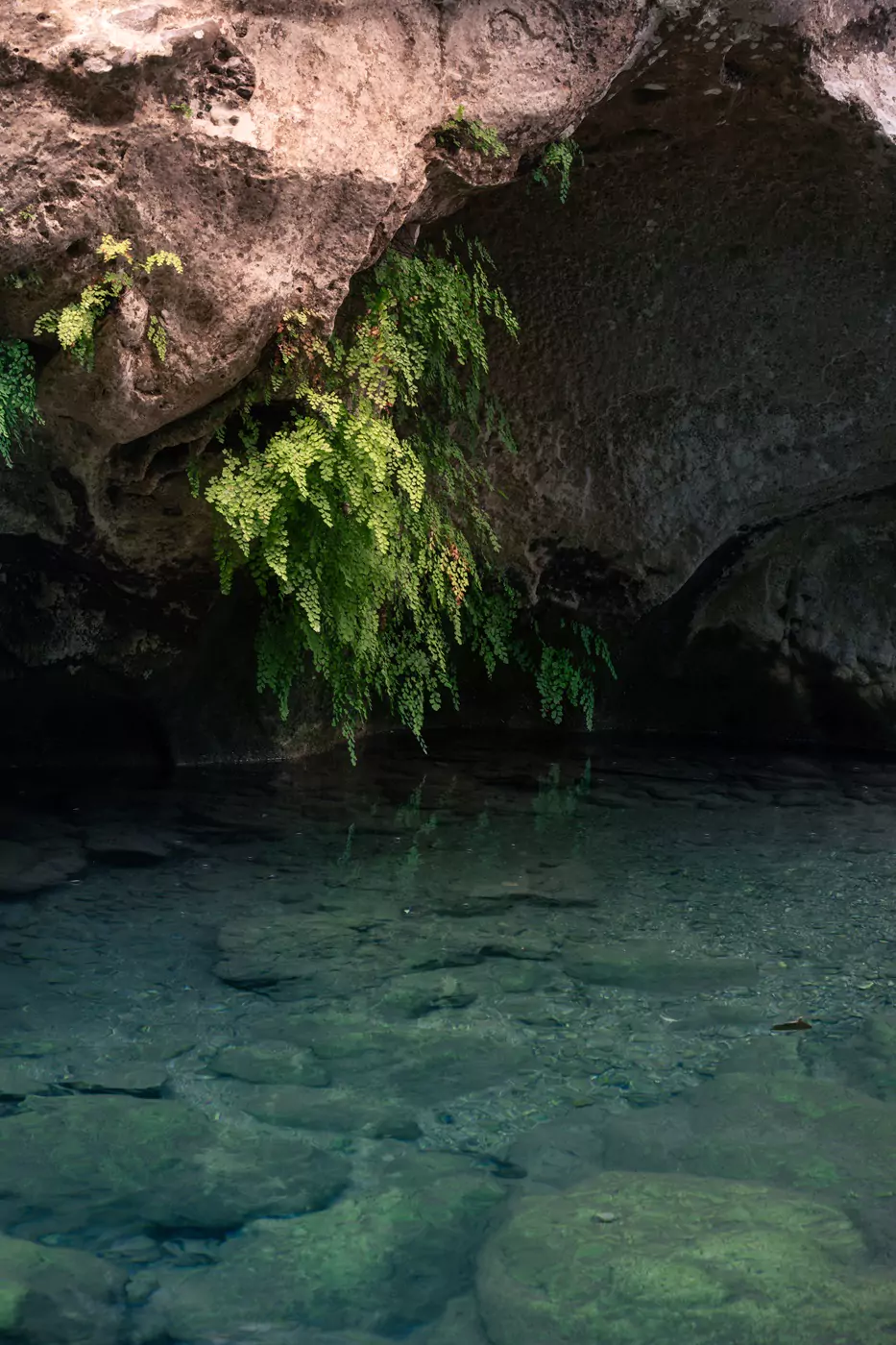
Akchour Falls | a series of waterfalls, scenic hikes and a huge, surprisingly majestic natural archway (I think it’s technically a bridge?). Free access, parking 10 MAD. This was my personal highlight of Chefchaouen. It’ll take you at least half a day to complete both hiking routes unless you’re very quick and don’t explore at all.
Bouzafer Mosque (Spanish Mosque) | the easy hike up to this scenic spot provides some of the best panoramic views of the blue city. The mosque, built by the Spanish in the 1920’s, is located an easy 25-minute walk uphill from the main square of Plaza Uta el Hamman. Don’t miss this one – the views are crazy. It’s very busy at sunset (no surprise), but if you go up during the middle of the day you might get the place almost to yourself.
Kasbah | this is a 15th century castle with a museum, found just by the Plaza Uta el Hamman. 60 MAD entry for foreign tourists. This is a quick stop that won’t take more than an hour of your day.
Ras El Ma | tiny waterfall located on the city outskirts – a short detour when heading through the Chefchaouen Medina up to the Spanish Mosque. It’s not super impressive, to be honest.
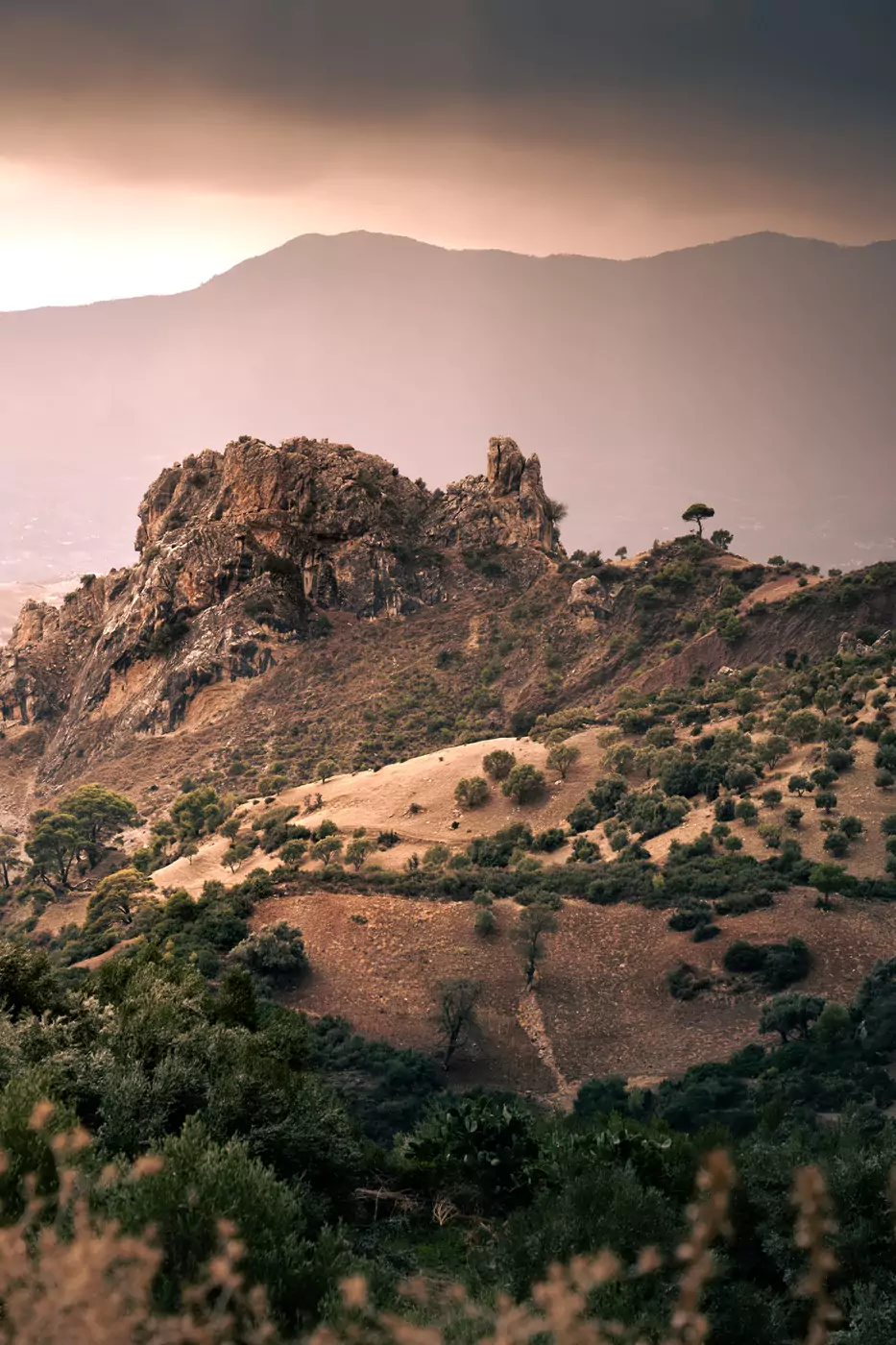
Talassemtane National Park | this is a great choice if you’re self-driving in Morocco and have a spare day. It’s wild and a bit rogue – we had a little explore around for an afternoon and the scenery is magnificent.
A note on cannabis farms | these are common in this area of the Rif Mountains; it’s extremely likely that somebody will invite you to buy some, or to even visit a farm. Personally, it’s not really my vibe anymore, and loads of the younger local people seemed stoned.
Where to Eat
So, there are a few Insta famous type cafes in Chefchaouen, but other than that, there’s nothing that really stands out. We ate a lot of pot noodles during our three days here, plus some bread-based snacks and the obligatory enormous included breakfasts.
Cafe Clock – this one is probably the most popular spot to have a meal. The views are excellent, the food is pretty decent (including a lot of veggie options) and they even run a cooking school. There is also nightly evening entertainment. I’ve not visited, but I imagine it’s more about the vibes than the food.
Galitos – the menu at this restaurant looks magnificent (if a little short on veggie options). We had a take-out from here, and it was pretty decent and service was fast. The restaurant itself is surprisingly modern compared with a traditional Moroccan restaurant, which is another reason it gets a mention here – it’s got all the nice vibes.
Where to stay in Chefchaouen
Our choice was Balcon Bleu, a superbly central, very modern little hotel, with lovely owners and nice lighting in the rooms (a rarity in many of Morocco’s quirky riads!). It also had a big breakfast spread, great Wi-Fi, decent rooftop views and easy, nearby covered parking.
If you are looking for somewhere with a bit more character, consider Dar Dadicilef. It’s more traditional, with a top-notch breakfast, nearby parking, friendly staff and is also a bit more budget friendly, with a range of dorm rooms and rooms with shared bathrooms (along with the usual private options).
–

Optional Stop – Tetouan (1 Day)
Situated on the northern coast of Morocco is Tetouan, a cool stop between Chefchaouen and Tangier. It’s an interesting combination of coastal Mediterranean holiday homes, wide beaches, and traditional Moroccan town vibes.
Tetouan is worth at least an afternoon if you have the opportunity, and is a particularly convenient stop if you are self-driving around Morocco. We visited, but it chucked it down with the most rain we’ve ever seen in our lives, so we didn’t really get to do much apart from have a quick look around and try not to get washed away!
However, these are some of the things to do:
Iglesia de Nuestra Señora de las Victorias | built in 1927, this Catholic church is an unusual yellow and found on a roundabout, rather than tucked away in medina alleyway.
Royal Palace | whilst not open to the public, this recently built (1988) palace can be found by Michouar’s Square.
Martil Beach and Plage de Cabo Negro | both are clean and easy to reach beaches found less than 15 kilometres to the east.
–
Days 9-10: Tangier
I really bonded with the most northern major city in Morocco, Tangier.
It’s one of those places I’d spent years dreaming about visiting – the historic gateway between Europe and Africa – a seedy, underground, artsy hub where writers sat in opium-filled corners and lived precarious, if always courageous, lives. Tangier’s Kasbah and medina have such an exciting recent history.
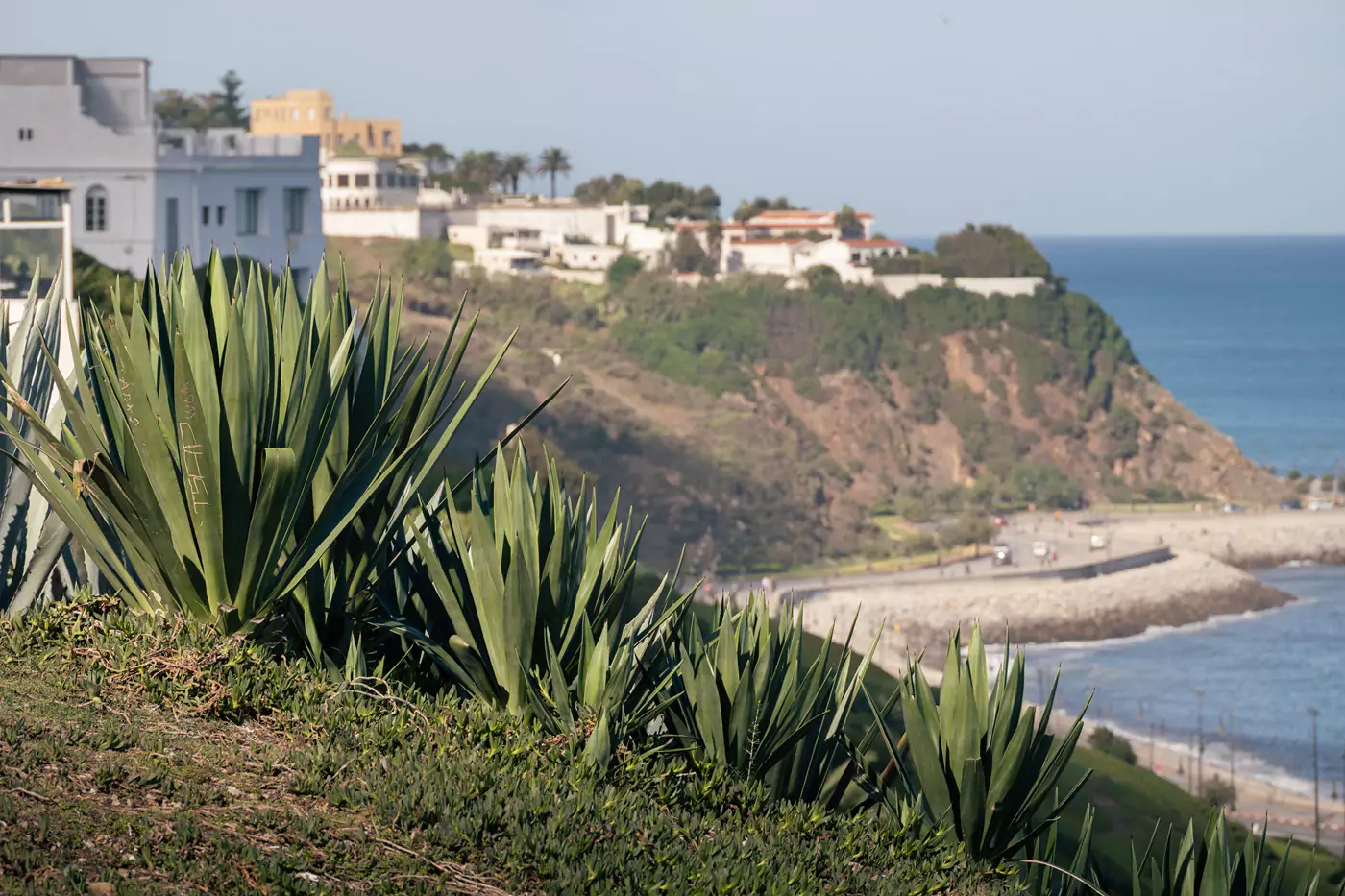
In the current day, Tangier is a modern, sizeable, sprawling city, literally overlooking the southern coast of Spain, with tall, white, art deco buildings that run along its wide beaches. It’s sort of split into a modern side and the old side, with tonnes of nature just outside its boundaries.
I just really loved every part of it!
Note | after visiting the optional stops below, it’s time to head home, so it’s possible to fly from Tangier if you have useful flight connections, or return to Rabat (or wherever your starting point was!).
How to Spend your Days in Tangier
Obviously, just soak up all the historic, boho, beatnik vibes in the old town (can you tell I’m obsessed?).
But other than all the vibes, there aren’t that many large museums, major architectural feats or internationally known wonders to see in Tangier, meaning you can easily make this a fleeting visit, if you prefer. However, the magic of the city is at street level, around the meandering streets of the oceanside kasbah and medina, where you could choose to spend days.
Grand Socco | a bustling square with a giant fountain centerpiece, perfect as a starting point for wandering through the Medina of Tangier. It’s home to a rather iconic art-deco cinema which I personally think looks beautiful.
Mendoubia Gardens | a small park away from the busy streets, adjacent to the Grand Socco, with views of the surrounding city.
Mosque Lalla Aabla | only recently built in 2017, this green and white mosque stands proudly near Tangier’s fishing port and is large enough to host 2000 worshippers.
Dar Al-Baroud Tower | located on the outskirts of the medina, this 15th century fortification, complete with cannons, has an on-site museum (50 MAD entry for adults) and provides slightly elevated views of the Mosque Lalla Aabla and the waterfront of Tangier.
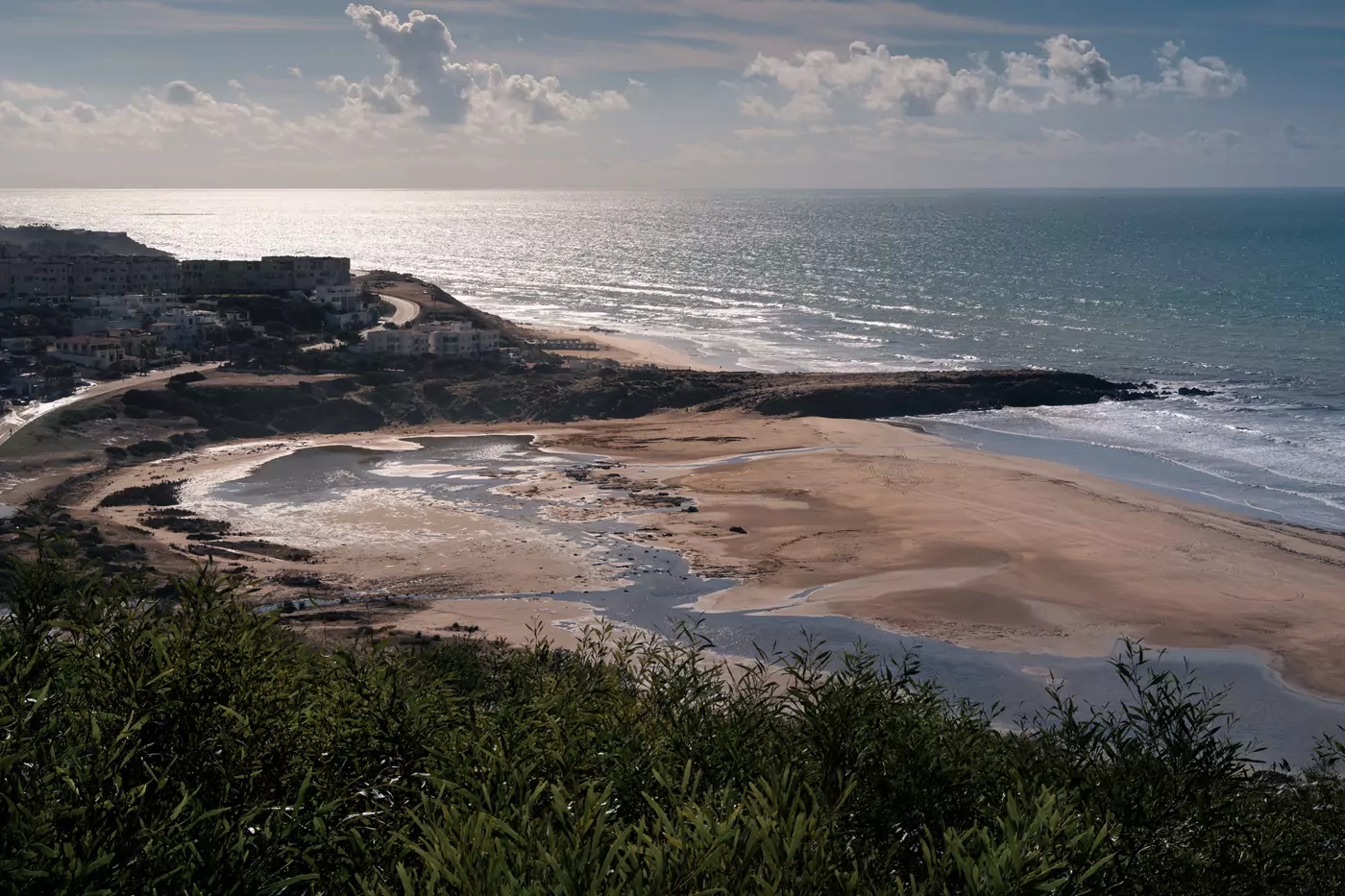
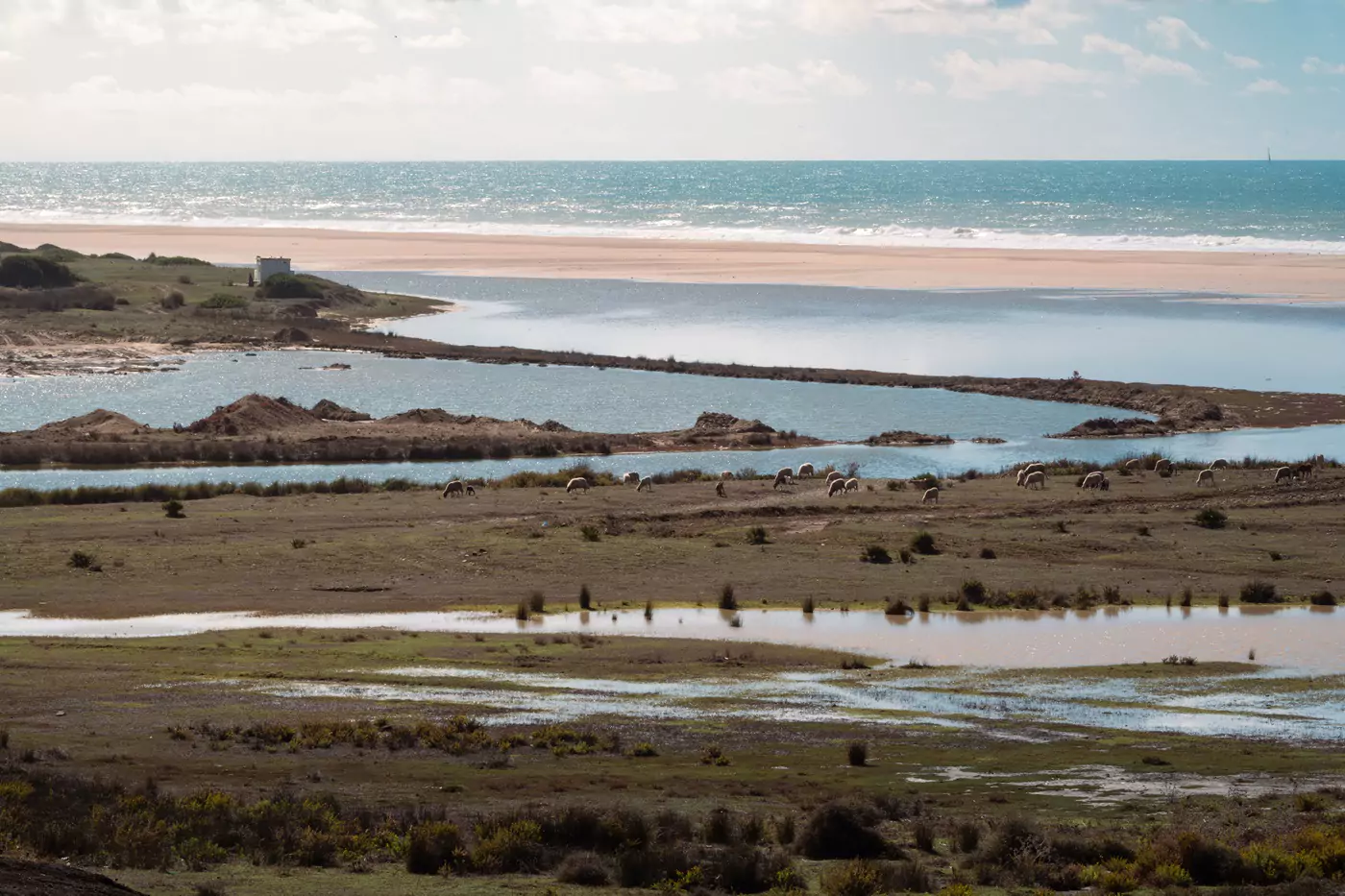
Just outside of the city, there are wide, sweeping beaches, plus a few popular spots like the Hercules Caves, the meeting point of the Mediterranean Sea and Atlantic Ocean, and Cap Spartel. On the drive up to these areas, there are crazy cool views looking out across Tangier (which really shows off how huge it is). The city outskirts were magic and really worth half a day of your itinerary!
Where to Eat
Ok, so we had an apartment with a full kitchen for most of our stay in Tangier, so just cooked loads of food from the markets. This means we basically didn’t eat any main meals out in the city.
We did, however, pick up some obligatory breads, snacks, coffees and cakes. Several places we particularly remember were Tsood which had great drinks and cake, and Cafe Baba (which I had to go to because it’s low-key famous – founded in the 1940s, it’s renowned for Beatnik visits, Anthony Bourdain and The Rolling Stones). Baba is a historical landmark in itself. You’re there for the history and vibe, though, not the drinks and prices.
The only place we were recommended in Tangier’s old town was Abou Tayssir, a Syrian restaurant with loads of veggie options, but we didn’t get to try it (I was honestly too excited about having a kitchen for the first time in a month).
Where to stay in Tangier
Tangier is a big place – there are lots of options for every kind of traveller here. We stayed in a few places in the city, here are our suggestions:
If you’d like to stay in the medina/kasbah area, we’d recommend Kasba Blanca. This traditional riad, on the peripheral of the medina, was an absolute find. Its classically decorated rooms and rooftop breakfast are impeccable – get an upgraded room though – as some come without windows. For a more budget-conscious option in the Medina area, consider Dar Rif Kebdani, with an impeccable location, lovely staff and pretty rooftop.
For a modern option outside the medina (with included parking), the Pestana Tanger ticks every box (it’s also adjacent to the train station). Rooms in this super-modern and clean aparthotel have large, fully fitted kitchen and living areas, plus private laundry facilities. We particularly loved the super convenient underground parking for our car.
–
OPTIONAL STOP – ASILAH (1 DAY)
20 miles south, along the coast from Tangier is the tiny, windswept town of Asilah.
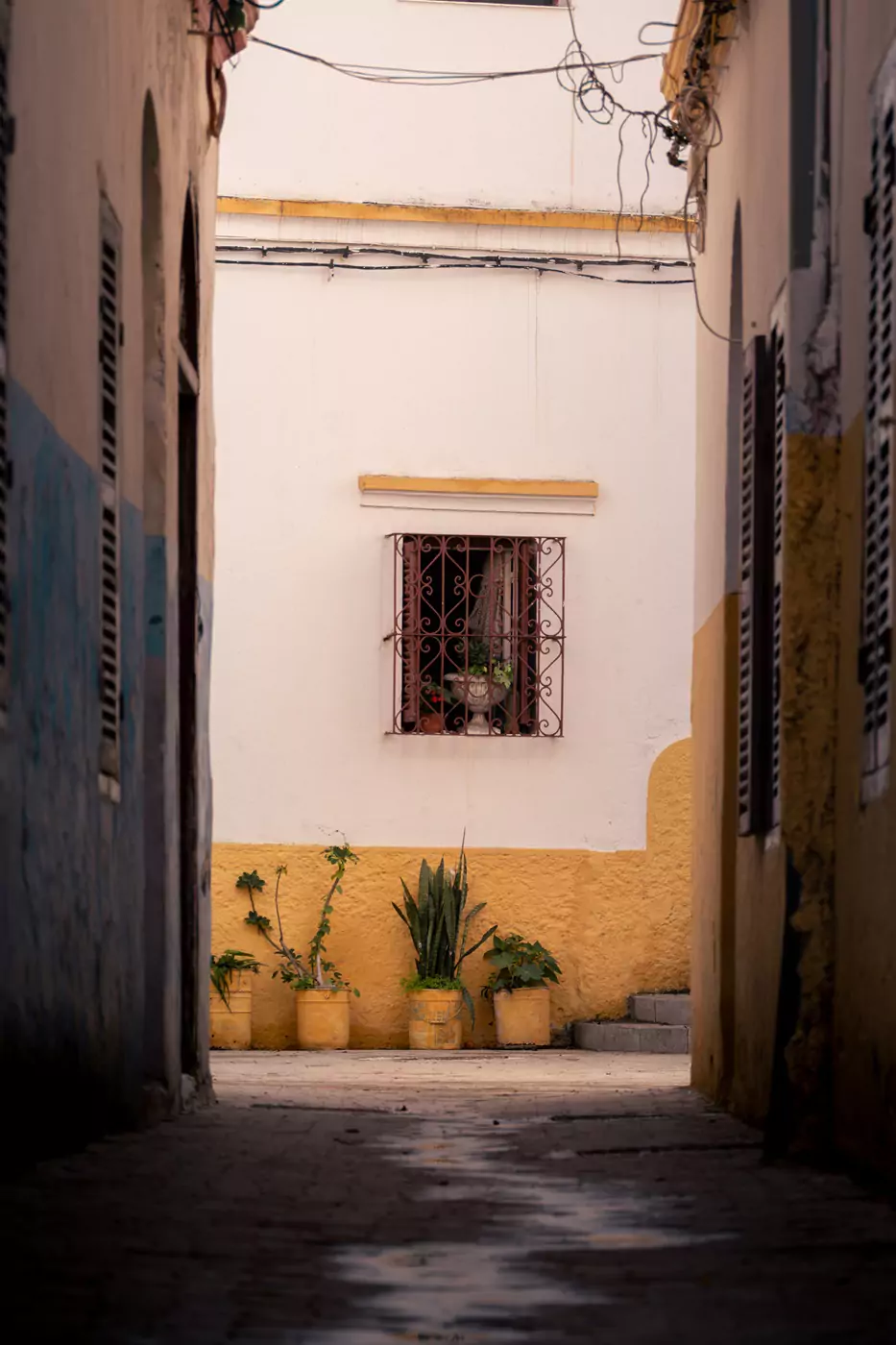
The compact, mural-adorned old town is enclosed by 15th century Portuguese fortifications and is bursting with a wide variety of local art. The city even hosts a yearly summer art festival (the International Cultural Moussem of Asilah – the first ever street art festival in Morocco, running since 1978!).
Take a wander around the ancient ramparts, examine the annually-changing local art that adorns the walls of the white-washed houses, have a nosey around the small stalls that dot the medina, then go grab a meal at Dar Al Maghrebia.
Asilah is a worthy overnight stop (the cities in Morocco have remarkably different vibes between the evenings and early mornings). If you’re short on time, it’s possible to make a short stop on the drive south to Rabat, or even visit the town as an easy day trip from Tangier.
Our accommodation preference is Riad Casa Bahia Asilah – it has surprisingly modern and trendy details, a great included breakfast and best of all – parking. It’s around a ten minute walk from the old town Medina and nearby the best restaurants in town.
–
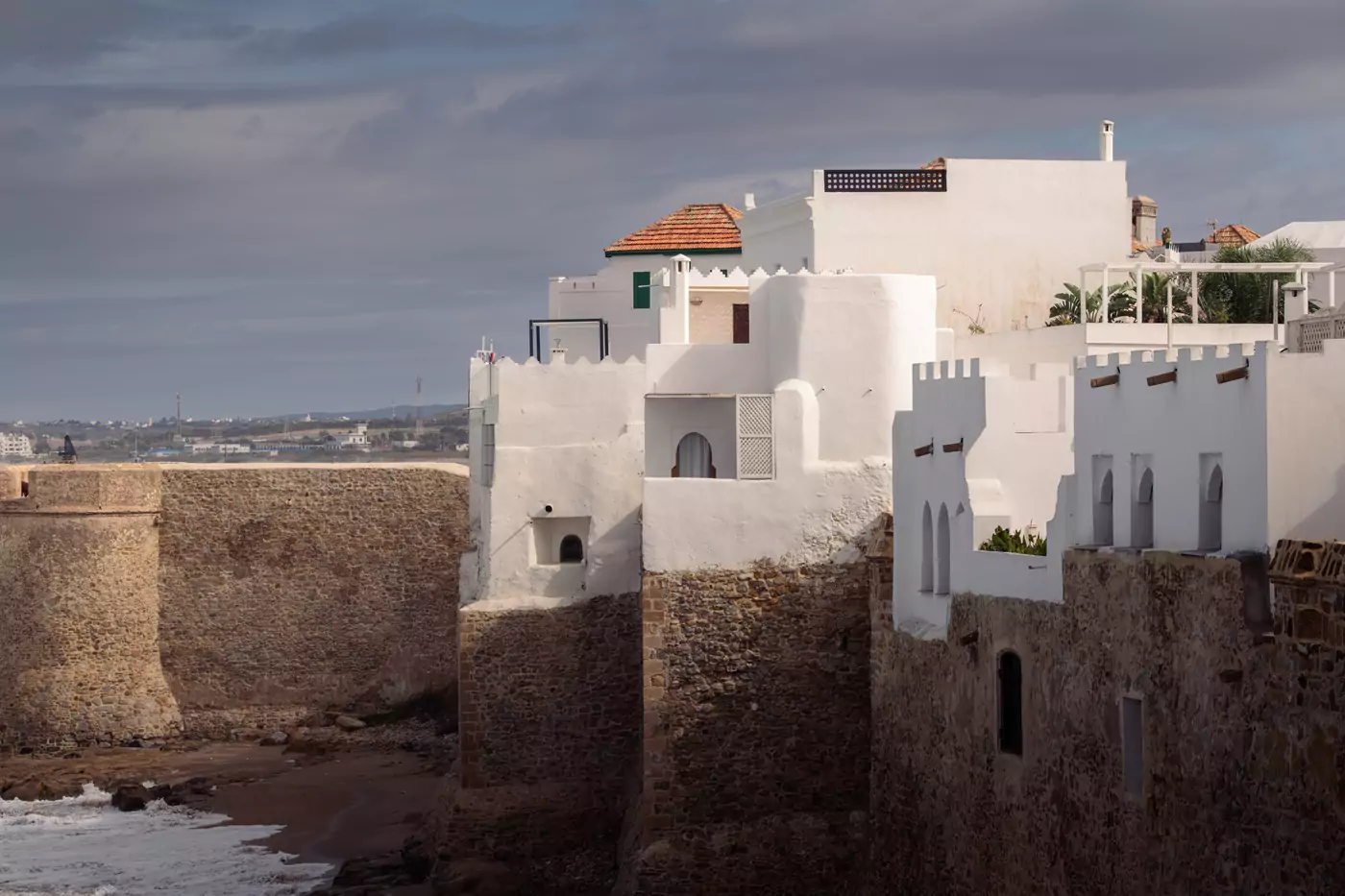
OPTIONAL – LIXUS ARCHAEOLOGICAL SITE
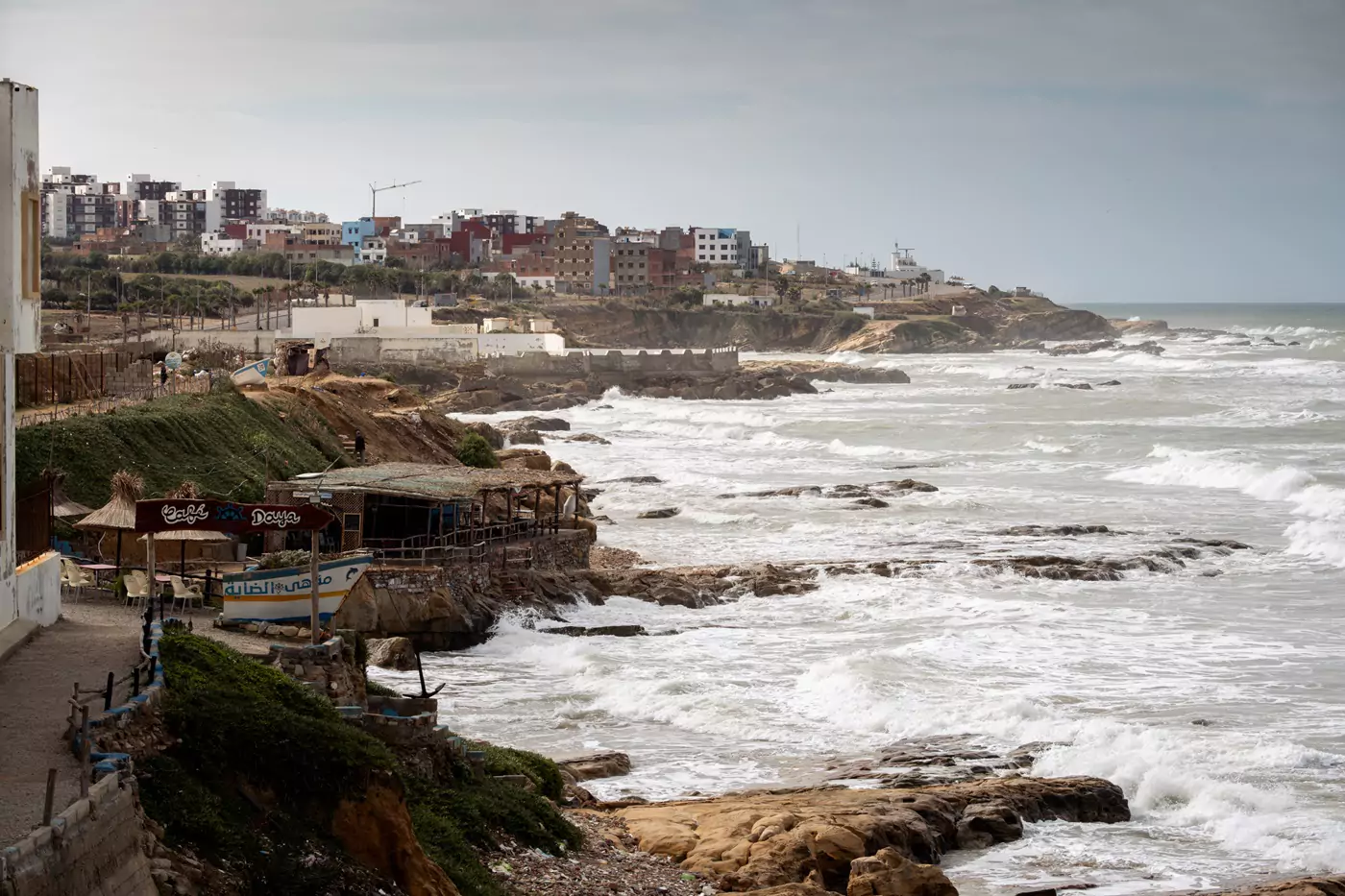
This 4th century Roman archaeological site features the remnants of temples, baths and an amphitheatre, along with a small museum. It’s a nice enough little stop-off between Asilah and Rabat.
The walking route through the site follows an easy, maintained loop through rocky shrub areas, with steps in many places making it not disabled-friendly. There are views of the sea, the nearby river Oued Loukos and the town of Larrache as you meander around.
When we visited, there was an unfinished museum block which provided some extra details but only in French and Arabic, so bring your translator app if you don’t read either. Two rooms on the ground floor had details on the history of Lixus, whilst a third section of the museum contained money, pottery, fishing hooks and iron knives/cleavers (no photographs were allowed in this third section). Without a deeper historical fascination or ability to read French or Arabic, fifteen minutes would be enough for the museum at Lixus.
Honestly, this site isn’t overly photogenic – I think I basically only took photos of tortoises! It’s best to only include it on your itinerary if you’re *actually interested* in Roman history.
Entry is 60 MAD, which includes free parking. At the entrance we were told it would take around an hour and fifteen minutes to stroll around the site, but it took us less. There’s only a small parking area outside, but the site wasn’t busy at all – we saw as many tortoises as we did people while there!
–
RELATED POST | VISITING MOROCCO’S PRETTIEST VILLAGE
10 Days in Morocco – A Google Map
Below is a savable, colour-coded Google Map with all the major stops mentioned on this itinerary. To save the map, select the star next to the title.
Orange | places of interest on this itinerary
Purple | accommodation suggestions
Blue | driving loop from Rabat through northern Morocco
Green | optional locations
Red | restaurant recommendations
Travelling to Northern Morocco
Morocco’s a pretty big country, so how do you choose where to begin if you only have a limited time?
Well, firstly, it depends on where you fly into. For this itinerary, it makes sense to arrive into one of the international airports in the north, such as Tangier, Rabat, Casablanca or Fes.
Other options include Marrakech, from which you can travel north easily by train to Casablanca (we’ve done this route by both car and train – either way is pretty straightforward).
We use Skyscanner to research and book all our flights. It’s the easiest way to compare airlines, dates and prices.

Transport Options for this Itinerary
This route is best done by rental car, however, it’s an area of Morocco with (mostly) excellent public transport, too.
Trains | train routes, operated by ONCF, service much of the populated areas of northern Morocco and are affordable, easy to book and safe. They run between many of the major cities on this itinerary, so it’s a perfect route if you’re a train enthusiast!
At time of writing (and many times in the past), the (very) temperamental ONCF website is not functioning, so an alternative is to reserve your seats via 12Go, which is an English language travel aggregator that we’ve used loads of times all around the world.
Some longer distance train routes do sell out of tickets, like a journey we took from Marrakech to Casablanca, for example. We bought our tickets four days in advance.
Buses | there are many buses and shared taxis that run along the routes we write about above. To have a look at these routes and prices, check 12Go, mentioned above.
Rental car | this option gives the most flexibility and means you can fit more into your ten days. Driving in Morocco is such a safe, easy and exciting way to traverse the country. Have a read of our Morocco driving guide if you’re interested.
Best Time to Visit Northern Morocco
Northern Morocco enjoys a Mediterranean climate and is an ideal year-round destination!
The best time to visit northern Morocco is from late August to early November, when the temperatures are a little milder and the number of rainy days are fewer. Alternatively, March to May is another good time to go for pleasant temperatures and drier days after the cooler, wetter winter months.
The rainiest months in northern Morocco are from November to February and the hottest months are from July And August. We only had one proper wash-out day when we visited the north during October, and found the temperatures to be quite pleasant – like perfect hiking weather. If you are looking to spend some time on the coast, I’d choose warmer months, at the beginning of autumn or end of spring.
During Morocco’s hotter summer months, the coastlines will be unpleasantly busy. If you’re looking for a less-crowded time, then skip June through August. Plus, it’s flaming hot across the entire of Morocco at this time!
Has our free content helped you plan a trip around Morocco?
If you’ve found our post helpful, consider booking your rental car (if you need one!), through the company we always use – Discover Cars. They’re the absolute best and have been our rental companion (and savior, thanks to their insurance) in many destinations across the world.
Also, consider booking your accommodation through Booking.com – we use them exclusively when travelling in Northern Africa.
Help like this makes it easier to pay for the upkeep of this site. Thank you!
–
Where to Next?
We hope this itinerary has helped inspire you!
Roadtripping around Morocco was an absolute highlight for us, and this section of northern Morocco is incredibly varied, with so much to see in a relatively compact area. It’s also filled with popular places that everyone wants to include on their itinerary, mixed in with some less touristy spots. The route is, honestly, just perfect.
If you’re still in the initial planning stages of your trip, check out our guide to travelling Morocco, which tells you literally everything you need to know before you go.
For further inspiration, check out the most beautiful cities we visited in Morocco, or our top outdoor adventures, or even our favourite historical spots. They’re filled with ideas to help you plan your perfect trip!
Morocco is best travelled by rental car, so if you’re thinking of taking a trip by road, check out our highly detailed guide to driving in Morocco – it debunks a bunch of myths!
Finally, if you’re trying to choose a riad (there are so many, it genuinely gets overwhelming), have a look at our Moroccan riads guide, which might be able to help you decide!
Hi, thanks for visiting our blog! If our free content has been of help to you, or you’ve just enjoyed our random ramblings and musings, say thank you by buying us a coffee! It helps keep The Restless Beans blog up and running.
Thank you, Claire + Nick




Claire & Nick,
I just want to say thank you so much for this Northern Morocco 10 day itinerary!
I stumbled upon it as I’ve started my research and planning for a future trip to Northern Morocco and Gibraltar.
I appreciate you both putting the time and effort into this blog. Happy to have encountered your blog! Happy travels!
Absolutely love this! I’m planning a Northern Morocco and Gibraltar trip, and your blog is giving me major travel inspo!