

· BIG ISSUES ·
Introduction to Slow Travel – How to Slow Down with Little Time
Scribbled by Claire ◊ 06 Sep 2024
Have you heard of the term ‘slow travel’, but didn’t really understand why it’s such a big thing? Are you interested in embracing a slower mindset for your travels, even with little time? Read on for a bit of history, travel styles, how to adapt a short trip and the benefits of slowing down.

So many epic literary voyages from history evoke feelings of independence, exploration and the unfamiliar; think ‘On the Road’ by Jack Kerouac; ‘Into the Wild’ by Jon Krakauer; ‘Shantaram’ by Gregory David Roberts; anything by Jules Verne (not factual, but epic all the same).
These stories embody the central theme of ‘slow travel’ well before the term was even coined and for centuries have moved people to conquer their own individual journeys. One of my personal favourites is Alexander David-Neel who voyaged on foot through the mountains of Tibet in the 1920s. The expedition is told through her eyes in the book ‘My Journey to Lhasa’ and conjures such a longing in me to travel more courageously.
Slow travel has its roots in all the best stories.

IN THIS GUIDE //
Introduction to Slow and Mindful Travel
SOME THOUGHTS ON SLOW AND MINDFUL TRAVEL
WHAT IS SLOW TRAVEL?
THE HISTORY OF SLOW TRAVEL
WHY IS SLOW TRAVEL IMPORTANT?
– THE IMPACT OF MASS TOURISM
– FORCIBLE DISPLACEMENT
– YOUR CARBON FOOTPRINT
– FINANCIAL AND SOCIAL BENEFITS
EIGHT PRACTICAL WAYS OF MAKING YOUR NEXT TRIP SLOWER
NEGATIVES ASSOCIATED WITH SLOW TRAVEL
EXAMPLES OF SLOW TRAVEL EXPERIENCES
FINAL THOUGHTS – MINDFUL TRAVEL
This post may contain affiliate links. If you book through these links we may make a small commission at zero cost to you. It helps us pay for the upkeep of this blog. Thank you!
Some Thoughts on Slow and Mindful Travel
Who hasn’t sat there, Lonely Planet in hand, highlighting every ‘can’t miss’ item in an entire country? I know I have.
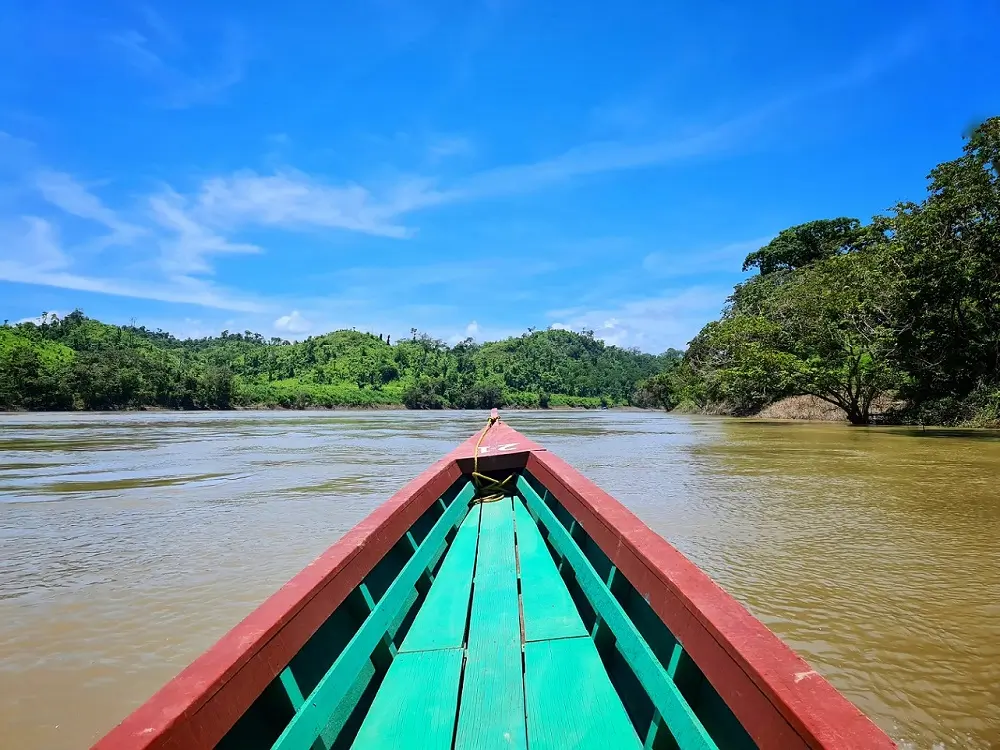
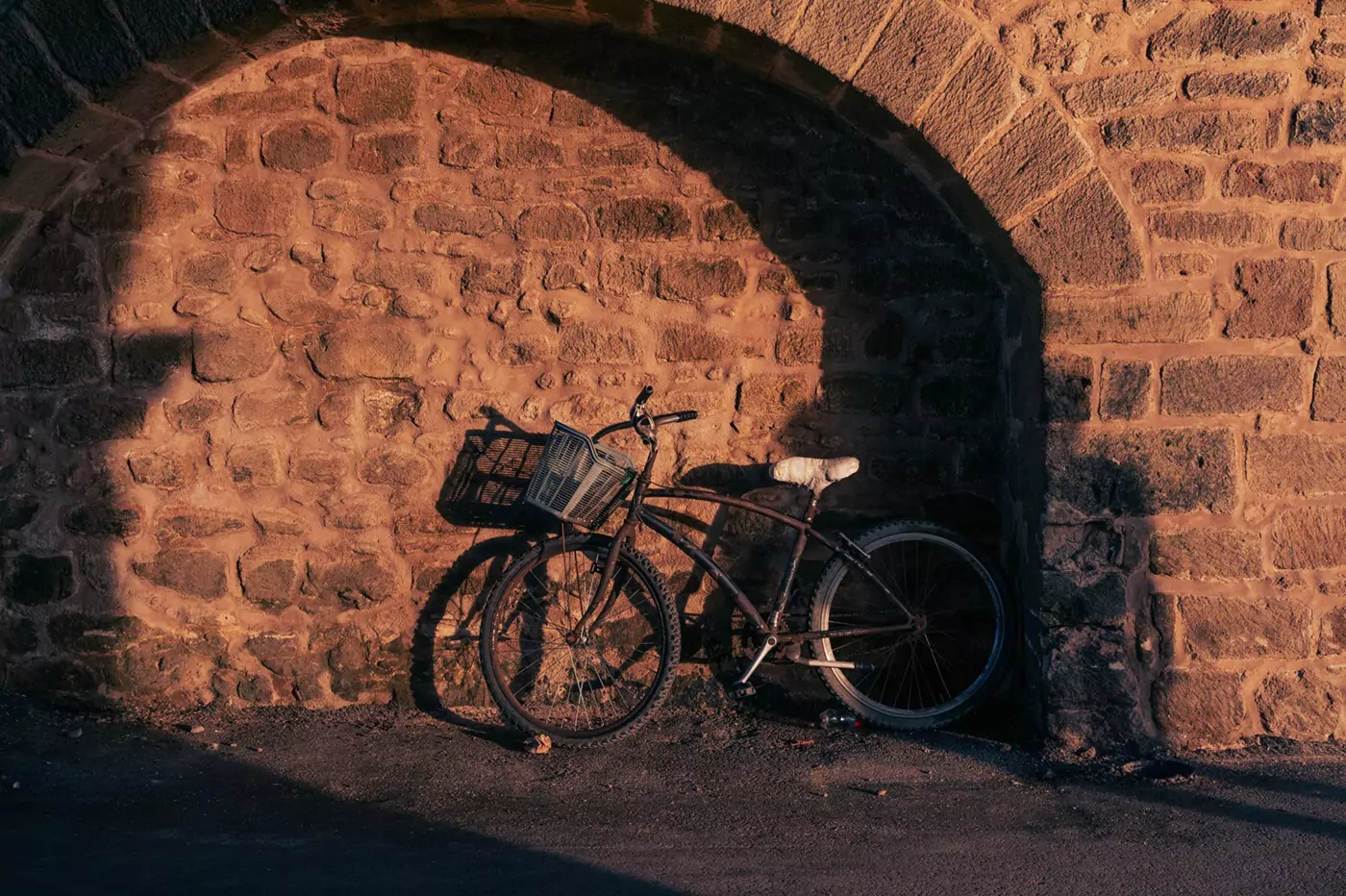
Instead, by embodying the fundamentals of slow or mindful travel, your personal journey could be living in a longhouse homestay in the Amazon rainforest and learning about indigenous ways of life. It could be taking a week away in a rustic French farmhouse and cycling to the local patisserie for pastries and croissants. Maybe take a Spanish course in Guatemala or consider volunteering in a monastery in Nepal?
These trips might sound sluggish or unsatisfying to some, but considering the frenetic pace of life today, it could be the ultimate dream for many.
For me, the appeal of slow (or mindful) travel comes naturally from my intrinsic lethargy. Travel tires me. I enjoy it, live for it even, but as much as it’s exhilarating and enthralling, it also mentally exhausts me. It turns out I get ‘travel burnout’ very quickly. Therefore, I naturally gravitate towards a slower form of travel. I find the idea of taking exactly a week away that fits a meticulous itinerary covering every bucket list item *profoundly* uncomfortable.
My preference is to drink the local beverage, idly observe my surroundings, meander around and just experience the ‘vibe’ of a place. Achieving this is challenging when you are perpetually whisked from one tourist hotspot to another – especially if the goal is to attempt the perfect Instagram photo at each iconic destination.
If you relate to this, then maybe slow travel can help you personally more than you realise.
What is Slow Travel?
Slow travel has no exact definition. People tend describe the concept in a round-about kind of way because it is fundamentally just an idea.
Below is one interpretation. This description (like all others) is a little vague and not very practical. Read on for a more detailed and hands-on explanation.
‘Slow travel is an approach to tourism that prioritises quality over quantity with respect to host communities, their food, culture and environment. It stresses the educational value and personal development of the traveller experience while making sustainability the big issue. It’s about being balanced and travelling at the right speed for you while appreciating the connectedness of all people.‘
THE HISTORY OF SLOW TRAVEL
The concept of slow travel can be likened to a corresponding movement involving food.
It began in 1986 at Piazza di Spagna in Rome, where there were demonstrations against a proposal to install a McDonald’s franchise. The crusade was led by journalist Carlo Petrini and others, who wrote a manifesto with the purpose of preserving regionally sourced and traditionally prepared cuisine. They called it the Slow Food Movement.
After the slow food concept, the idea of ‘slow movement’ emerged – the awareness that this philosophy didn’t just have to apply to food, but to all walks of life. The 2004 book ‘In Praise of Slow’ by Carl Honore was the first to coin the phrase, leading to a whole collection of ‘slow’ concepts. He aptly wrote:
‘It is a cultural revolution against the notion that faster is always better’
which impeccably sums up the slow travel attitude. I would recommend this book – the ideas have impacted a whole chunk of my life.
In the 2020s, ‘slow travel’ is gradually moving closer to becoming a household phrase. However, the expression is also still frequently confused with the concept of physically slow movement.
Instead, try to think about it in terms of sustainability; when travelling, you are attempting to maintain the socio-cultural, environmental and economic stability of the region. This means more community interaction, immersing yourself in an unfamiliar world and prioritising local businesses. If you consider yourself a 21st century responsible traveller, it is undeniable that slow travel provides a more ethical method of approaching world exploration.
–
Why is Slow, Mindful Travel Important?
Alongside providing the more subtle and personal opportunities for growth, slow travel also has measurable, tangible benefits. These range from reducing the impact of mass tourism and our carbon footprint, to saving money and protecting local cultures while enhancing our own. These and many others are reasons to consider evolving to a more sensitive travel style.
1. Reducing the Impact of Mass Tourism
Mass tourism can lead to overtourism, which occurs when the volume of tourists exceeds the ‘sustainability capacity’ of a specific location. The quantifiable impact of mass tourism and the unsustainable growth associated with it are apparent across the globe, providing an impetus for all of us to consider a more responsible, slow approach to travel.
The consequences of mass tourism are no better illustrated than by the overcrowding of heavily visited destinations like Venice, which has a population of 53,000 but hosts 30 million visitors a year. This overcrowding results in waste issues, resource difficulties and accommodation price spikes which force local people out of their homes.
Since the 1950s, the resident population has fallen by more than two thirds. The few locals that remain even had a protest in 2009-10 where they held a funeral for the city and handed out entrance tickets to ‘Veniceland’. As cheap souvenir shops replace resources for residents and chain-owned companies buy-out local restaurants, the location becomes increasingly less livable and more like a theme park that shuts overnight.
I am not suggesting you never visit Venice. If you were to implement the fundamentals of slow travel, there are very simple things that mitigate some of the problems above. Try visiting during the off-season and find a homestay or share an Airbnb with the owner. Procure a Venetian tour guide that will show you alternative places to eat and drink. If possible, stay longer and do not prioritise visiting the tourist hotspots. Avoid day trips and please don’t visit via a cruise!
These overtourism problems are not unusual:
◊ Dubrovnik, one of the most overcrowded in the world, has had to introduce a cap for the number of day trippers into the city amongst many other restrictions.
◊ Famously, Maya Bay in southern Thailand was closed between 2018 and 2022 due to overtourism to help the ecosystem recover. It’s now closed every year for a few months during summer to help the reefs recuperate due to the enormous amounts of traffic the area receives.
◊ Borocay in the Philippines was also shut for six months in 2018 to help the environment recover after rapid tourist development.
The list goes on and on.
SLOW TRAVEL VS. CRUISE CULTURE
Enclave tourism, such as cruises and all-inclusive resorts, is another harmful example of mass tourism. They both bring ‘low-value’ tourists to a destination. These are people who commonly spend very little to benefit small-scale businesses (this is called economic leakage).
Cruise passengers in particular cause extreme levels of overcrowding with several thousand people arriving at the same time per cruise ship. It is so problematic that cities such as Venice, Barcelona and Amsterdam all charge extra fees from the cruise lines to help tackle this.
This industry directly impacts Venice, now the most popular cruise port in Europe. The massive ships erode the fragile building foundations (think about the water displacement!), increase pollution and visually impact on the city due to their size. In 2016, Venetians even attempted to block the entry of cruise ships to the port – that is how unwelcome they are.
–
2. Forcible Displacement
The mass exodus of Venice’s residents was not an intentional outcome of increasing tourism.
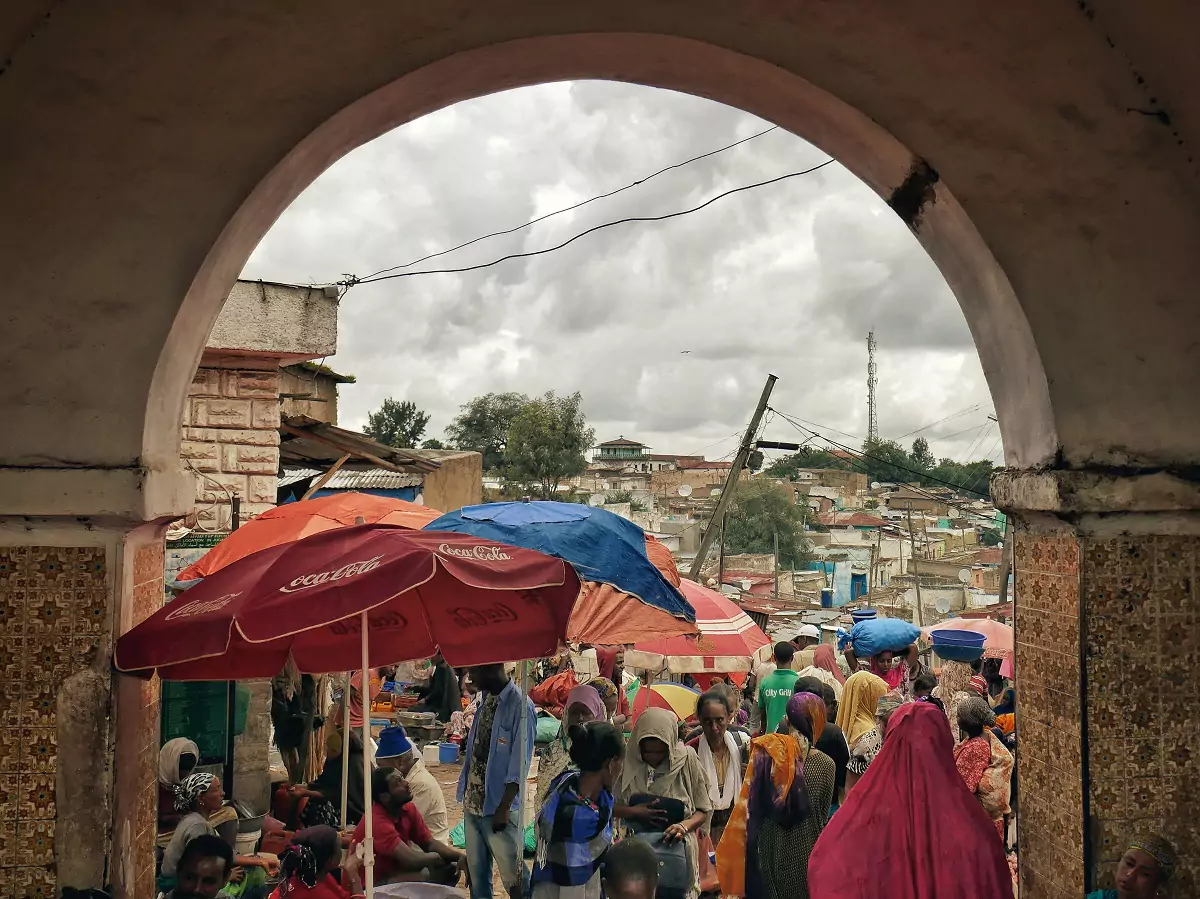
However, in some countries, mass tourism results in the forcible displacement of local people from their land in order to provide space for international tourist hotels and resorts. This can be done via numerous measures other than straightforward eviction, such as enclosing territories, removing natural resources necessary for survival and limiting livelihood options.
Indigenous people and residents who lack official documents are at particular risk. For example, after the boxing day tsunami of 2004, many devastated coastal regions were earmarked for tourism development in Thailand and Sri Lanka despite being previously inhabited. South Africa increased its slum-clearance for the 2010 World Cup. There are so many examples of this happening all over the world, but the behaviour is especially prevalent in the Global South where tourist growth is highest.
Ultimately, all the negative features of mass tourism development lead to the destruction of the culture and landscape in the community you are undoubtedly hoping to experience. Embracing a slower way of travel is a proactive way to counter this.
3. Reducing Your Carbon Footprint
Another quantifiable feature of tourism is the carbon footprint of a traveller. This can be extensive; think planes and private vehicles, high speeds and long distances. The environmental impact of travel, both locally and globally, can be at least partially mitigated by using the principles of slow travel.
Air travel, although often necessary, contributes to the carbon in our atmosphere which is a major contributor to climate change. Cruise ships cause erosion damage, and pollution from low-grade fuels they use harm the oceans (although this issue is often neglected in favour of conversations about airplane pollution). Locally, private car travel is more polluting that public transport and nothing is better for the environment or getting to know a local area than walking and cycling!
It is also worth thinking about the more immediately noticeable impacts of transportation choices too – problems like reduced air quality and the need for increased infrastructure.
Choosing alternative, slower options wherever possible can not only be more eco-friendly, but also a more enjoyable choice. Train travel is an example – watching the countryside of the region you are visiting while interacting with local people can be some of the most memory moments of your journey.

4. Financial and Social Benefits
A substantial personal benefit from implementing a slow travel attitude is the potential money you could save. Meals, rooms and transport are all likely to be cheaper if you stick to more locally patronised places, plus long-term rentals are often heavily discounted. For host communities, slow travel is less likely to cause economic leakage.
On a more individual level, slow travel can help reduce cultural insensitivities, encourage development of non-verbal communication and foreign language skills. It can also promote a healthy separation from technology. Slow travel offers you a wholly alternative experience – one of flexibility, spontaneity, discovery and freedom.
The best part about slow travel is that it is symbiotic. Small-scale tourism offers financial benefits and reduces negative cultural impact on host communities. In return, the individual traveller is repaid in experiences and cost-savings.
If you are interested, we write in more detail about this along with the environmental benefits on our sustainability page.
Eight Practical Ways to Make Your Next Trip Slower
Remember, slow travel is more than physically moving slowly through a region. It is still possible to practice slow tourism while flying somewhere by adopting a ‘slow mindset’. You can also ‘slow travel’ while taking a shorter trip.
The principle is based on the concept that quality beats quantity with travel experiences. This is somewhat contrary to the Instagram ideal of taking a photograph at every landmark and eating in every restaurant with a great view (but often overpriced, lousy food!). Here are some ideas to help you get into the slow travel groove.
Lists | get rid of your ‘to-do’ list. If you can’t, try to consider each item in terms of your growth and development. Prioritise education and personal progression.
Sleeping | choose your accommodation with the aim of gaining some local insight (this does not mean sacrificing luxury if that is your jam!). Try Airbnb*, VRBO, Homeexchange. Also try Couchsurfing – and don’t forget this goes both ways. You can always host as well as stay!
Trains | consider the beauty of long-distance train travel – the views, comfort and conversations beat flying every time.
Cooking | try cooking for yourself if you can choose self-catering accommodation – you’ll get the opportunity to visit local supermarkets and markets in a more practical, involved sense rather than just as a casual observer. Plus, it’ll probably save you money!
Experiences | the comment ‘have an authentic travel experience’ is thrown around constantly in this flimsy way without actually discussing what this is or how to do it. What even is authenticity of culture anyway? (This is such a fascinating question that we have tried to answer!). Instead, try to find unfamiliar ways to see familiar places. One real example would be to learn a game that local people play.
Language | try really learning the language, beyond ‘two beers’ and ‘thank you’. Differences in customs become far more apparent when you can understand people and they feel you have made an effort!
Phones | consider using detox apps if you struggle to separate yourself from your phone while on holiday. Sometimes simply not having it in your hand is the prompt you need to focus more on your environment. How many times do we use our smart phones in a day? You can usually monitor this from settings on you Apple or Android device – check out your usage!
Seasons | travel out of peak season. This should be a given whenever possible in typically overcrowded destinations. It is just not sustainable (or enjoyable) for all of us to be in the same place at the same time.
* There is an ethical issue with Airbnb and VRBO. Properties can be rented out to tourists for far higher prices than to long-term residents (it is always best to get a property shared with the owner if this is something that you are concerned about).
Ten Negatives of Slow Travel
There are definitely some negatives of slow travel. Simply put, all tourism has problems. It intrinsically affects the environment, the economy and culture of the destination you visit. We’ve written more about the issues of tourism generally under the topic of sustainable travel.
This section focuses on how an individual’s circumstances can be a hinderance. As I mention above, slow travel can be a money saver, however this is not always the case. In many respects, one could consider slow travel an entirely privileged concept. Slow travel can also be a social or physical challenge, which is an appeal for some travellers but might also be a negative for others.
Financial Negatives of Slow Travel
1. Not that many people can justify having an extended amount of time away from their work of family. Either they may lose their employment completely or simply cannot afford to.
2. Often off-the-beaten-track or sustainable/eco travel adventures can involve bespoke tour operators which cost large sums of money in comparison with package holidays.
3. Slow travel is a privileged activity for anybody who can only afford a holiday once every five years. It is understandable to want to fit everything in! The slow travel mantra of ‘I can always do it next time’ isn’t always appropriate.
4. Sometimes overland travel can be expensive. Trains are an example; they often have artificially high costs compared with air travel.
Cultural and Physical Challenges of Slow Travel
5. Your comfort zones are commonly tested.
6. In some cases you need to be flexible with your time and change your preconceived notions of planning (and get rid of your tick list!).
7. Language barriers are undoubtedly more problematic in lesser visited regions.
8. There might be lack of western facilities and accessibility on ‘the road less travelled’. This is something you may not be accustomed to, or are unable to manage due to physical disabilities. Access to specialist medicines/facilities could prove problematic for people with long term illnesses, like diabetes, for example.
9. Slow travel often removes the superficial element that shrouds a tourist destination. This may provide a cultural perspective you would not otherwise gain, but might feel uncomfortable for some.
10. The extent at which you immerse yourself, slow travel style, is likely to reflect the amount of homesickness you feel. Homesickness is not something you normally associate with a standard fun holiday abroad. However, the further you are from your home culture, the more likely you are to suffer from a period of melancholy on the road.
7 EXAMPLES OF SLOW, MINDFUL TRAVEL EXPERIENCES
Epic train journeys | for example, if you fancy seeing Russia and Mongolia, consider taking the week-plus long Trans-Siberian Railway, especially if you are already intending to visit China! Or Interrail around Europe! It’s far more fun than flying.
Alternative National parks | if you fancy Yosemite, consider hiking (parts of) the John Muir Trail instead. If that is too strenuous, visit less overcrowded areas of the park, such as Hetch Hetchy and camp at one of the high-sierra campgrounds instead. The same goes for Zion National Park – did you know there’s an entire extra section called Kolob Canyon just up the road from the main valley?
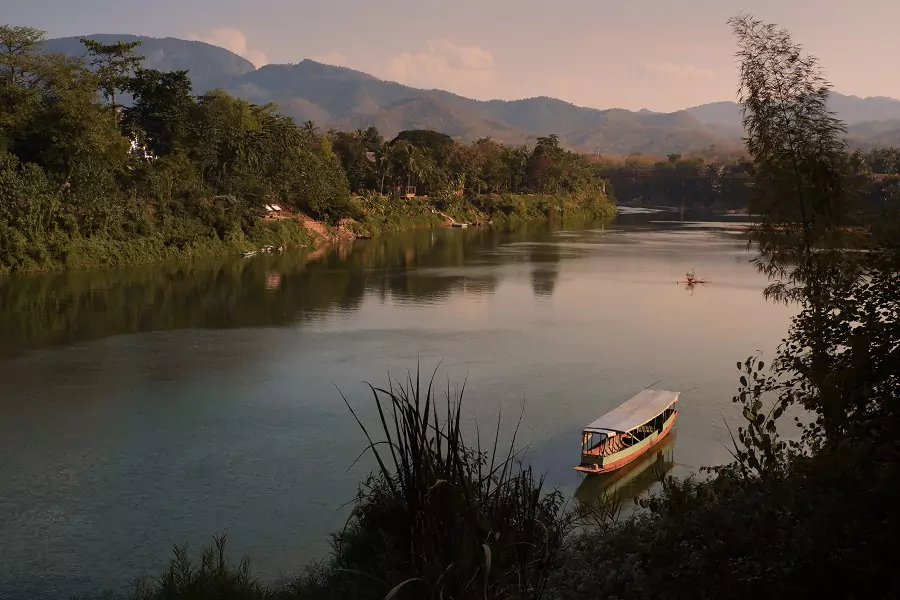
Take the slow boat to Laos | from Thailand, and instead of flying, travel from Vientiane to Pakse and further south to see the 4000 islands area.
Visit friends or family abroad | this is an immediate window into a foreign way of life, no matter which country you go to!
Rent some local transport | get yourself a tuktuk to meander around around Sri Lanka or Cambodia, for example
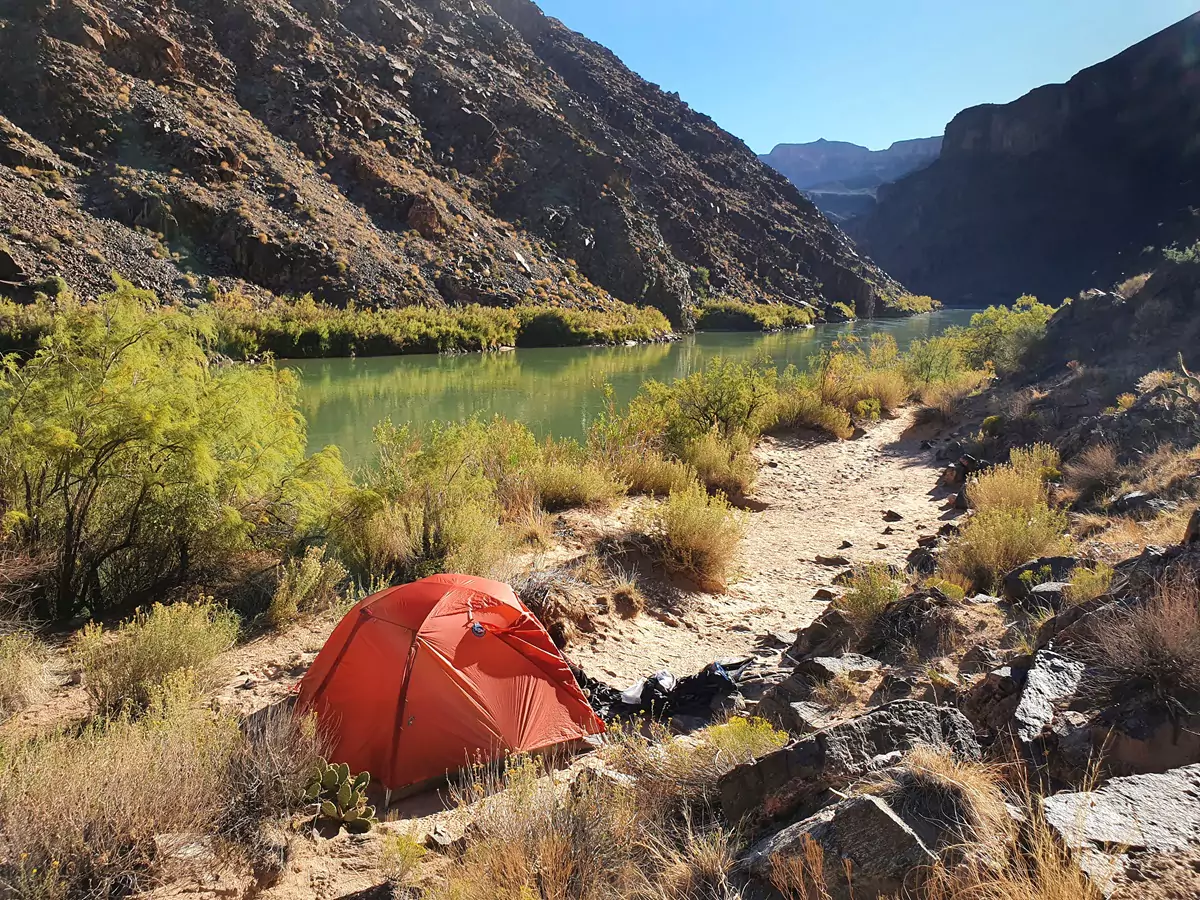
Go camping | this isn’t location dependent, but Oman, Australia and the USA are famous for fascinating camping road trips and off the tourist-trail opportunities.
Volunteering | undertake some volunteer work as part of your trip (be sure to research how ethical it is first though – for example, avoid short-term volunteering with children.)
Final Thoughts – Slow, Mindful Travel
There are huge parallels between sustainability and slow travel. Living a sustainable life on the road is essential for the long term future of travel (and our planet as a whole). Slowly is the best way to do that whenever possible.
It has made me think – is the photo or the story more important on Instagram? We all know the answer is the photo, but I write long posts with every picture in the hope that one day the story will matter more.
Your story should always be more important, and you’ll have better ones to tell if you slow travel.
Hi, thanks for visiting our blog! If this post has been of help to you, or you’ve just enjoyed our random ramblings and musings, say thank you by buying us a coffee! It helps keep The Restless Beans blog up and running.
Thank you, Claire + Nick


