

· BIG ISSUES ·
Is Dual Pricing for Tourists Fair?
Scribbled by Claire ⬩ 07 Sep 2024
Dual pricing for tourists – when a visitor pays sometimes significantly more than a resident for the same entry ticket – is this practice fair and reasonable? Have you ever found yourself complaining that you are being ripped off or taken advantage of? Read on for our thoughts.
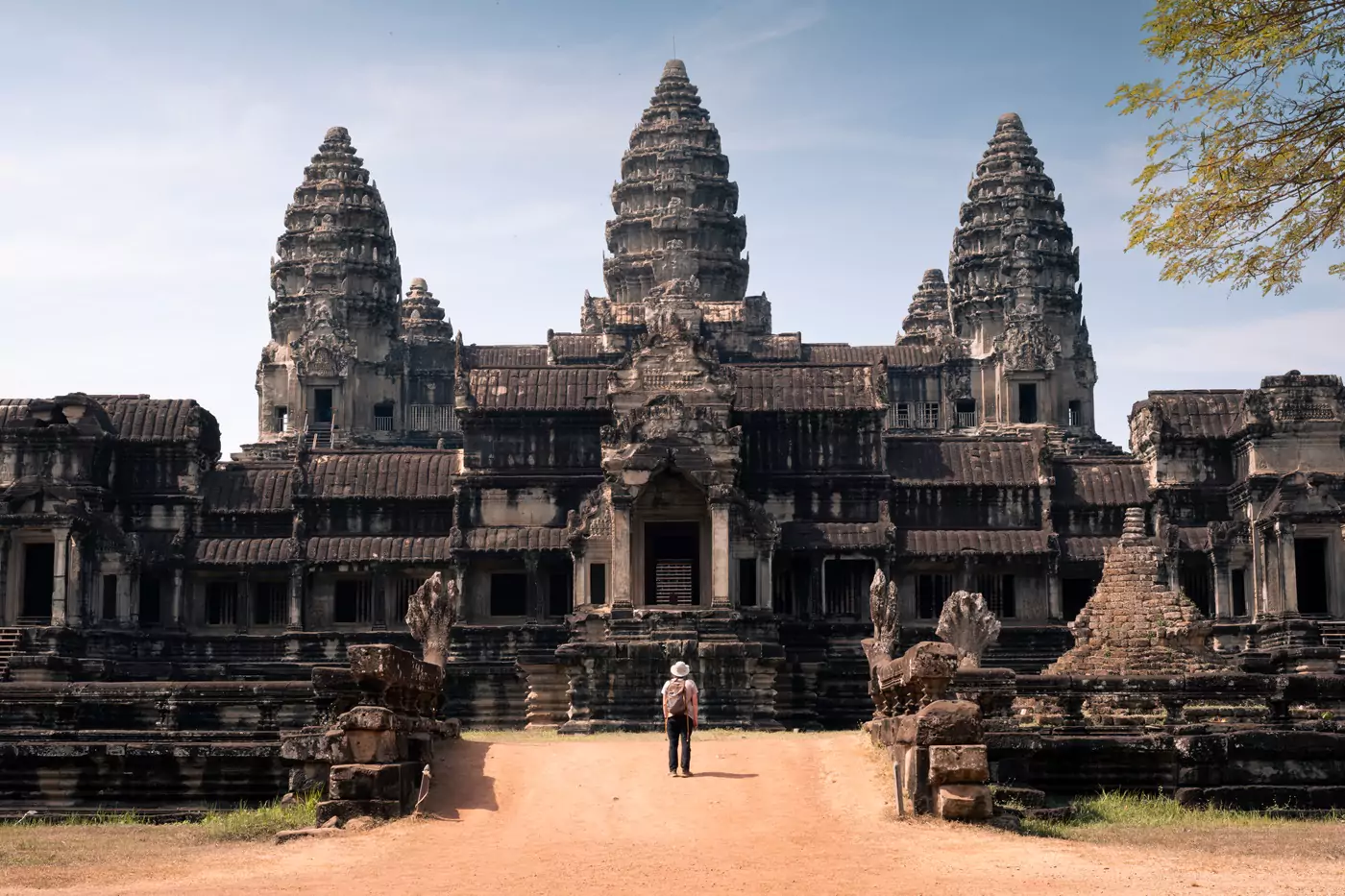
On first glance, the ‘foreigner’ or dual pricing at a national park in Thailand can feel a little disagreeable. Why are you paying ten-times as much as a resident? How come Angkor Wat is so pricey when local people can enter for free? Why did I just pay 50 times as much as a Jordanian to get into Petra?
I have read countless accounts of tourists criticising this phenomenon (and heard quite a few first hand). Are they right to complain? Here, we address these dual pricings; what they are, why they exist and whether they are ethical.
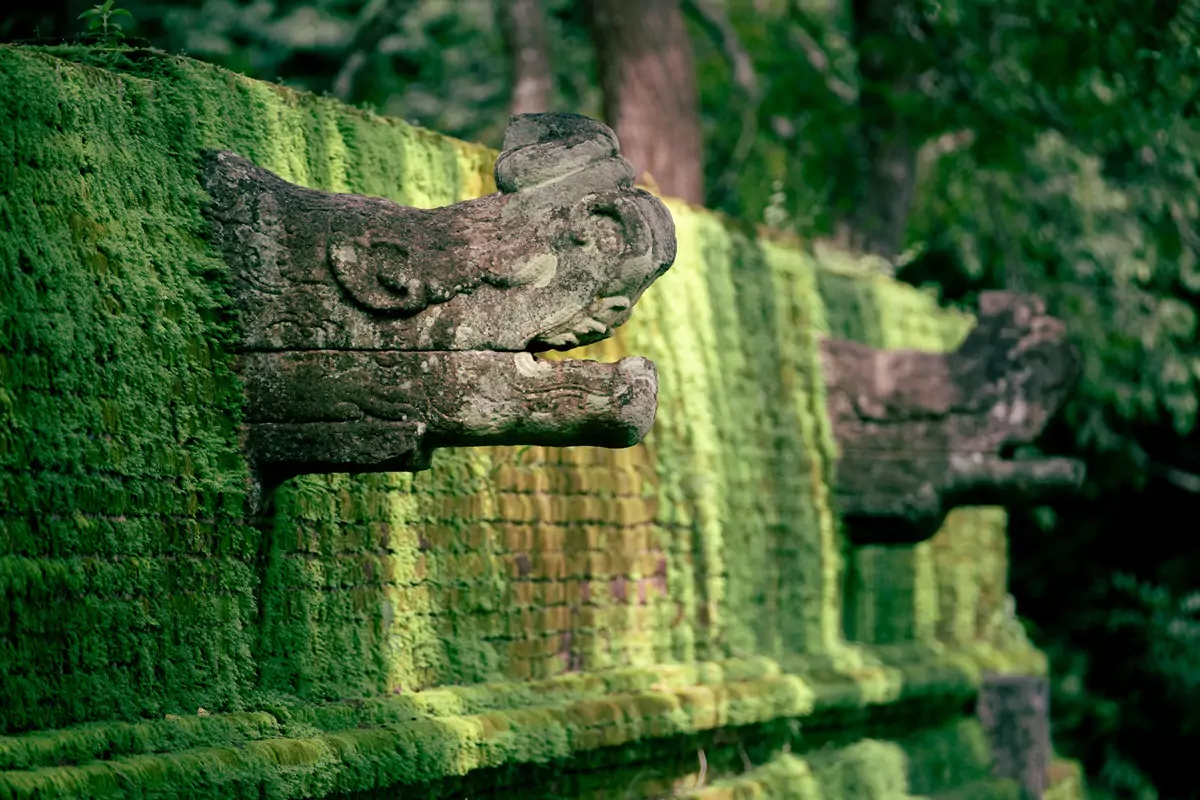
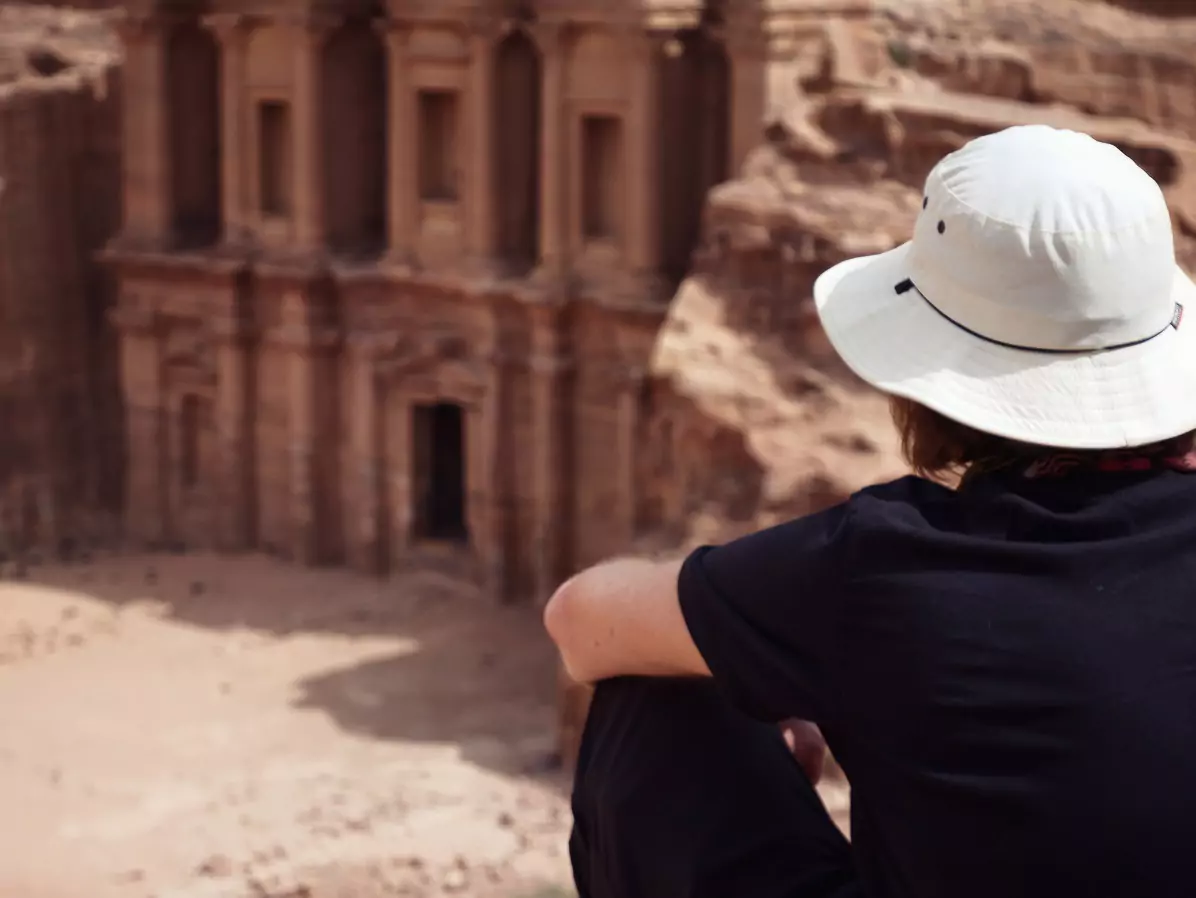
Also, every photo I’ve included is a place that we’ve paid dual tourist pricing to enter!

IN THIS GUIDE //
The Logic Behind Tourist Pricing
WHAT IS DUAL PRICING IN TOURISM?
EXAMPLES OF DUAL TOURIST PRICING
WHY DOES TOURIST PRICING EXIST?
IS TOURIST PRICING REASONABLE?
TOURIST PRICING – EXAMPLE
FINAL THOUGHTS
This post may contain affiliate links. If you book through these links we may make a small commission at zero cost to you. It helps us pay for the upkeep of this blog. Thank you!
What is Dual Pricing in Tourism?
Dual pricing in tourism is the practice of charging a tourist or foreigner a higher fee for a service, product, or entry fee due to their nationality. This is also called a tourist tax, multi-tiered pricing, or a tourist tariff.
This pricing technique is extremely common across the world and is especially widespread in the Global South.
There are different types of tourist pricing, depending on the origin:
1. Government run sites, national parks and World Heritage sites where you buy a ticket for entry. This is what this post is about.
2. Locally run businesses such as restaurants, unregulated taxis, markets. This is a different kind of issue – do you feel like you are being scammed?
3. Pre-departure taxes, imposed on a tourist before they even reach their destination. This is sometimes a hotel/overnight tax included in the accommodation price (common in European cities). Other instances include the new Venice day-tripper tax of 5 euros and cruise passenger levies. (This type of dual pricing we won’t comment on as much – firstly you have no choice but to pay these costs. Secondly, the money is normally explicitly assigned so you can decide if you are happy to pay it before you book your trip).
Also not included in this post is the process of regular haggling/bargaining. Needless to say, if this is within the culture of the country you are visiting then go right ahead. Just don’t flaunt your cash like a carrot on a stick and ensure that both sides are getting a fair trade.
Examples of Dual Pricing: the Tourist Tax
As mentioned above, many countries utilise the approach of dual pricing in tourism. In fact, some of the most famous locations in the world do this.
For example, Machu Picchu, Angkor Wat, the Galapagos Islands, Victoria Falls, the Taj Mahal, Chichen Itza, and more, all charge a steep increase to tourists for entry. Some are more obvious and open about it than others, but they all take part in dual pricing, much to the dismay of some tourists when they realise.
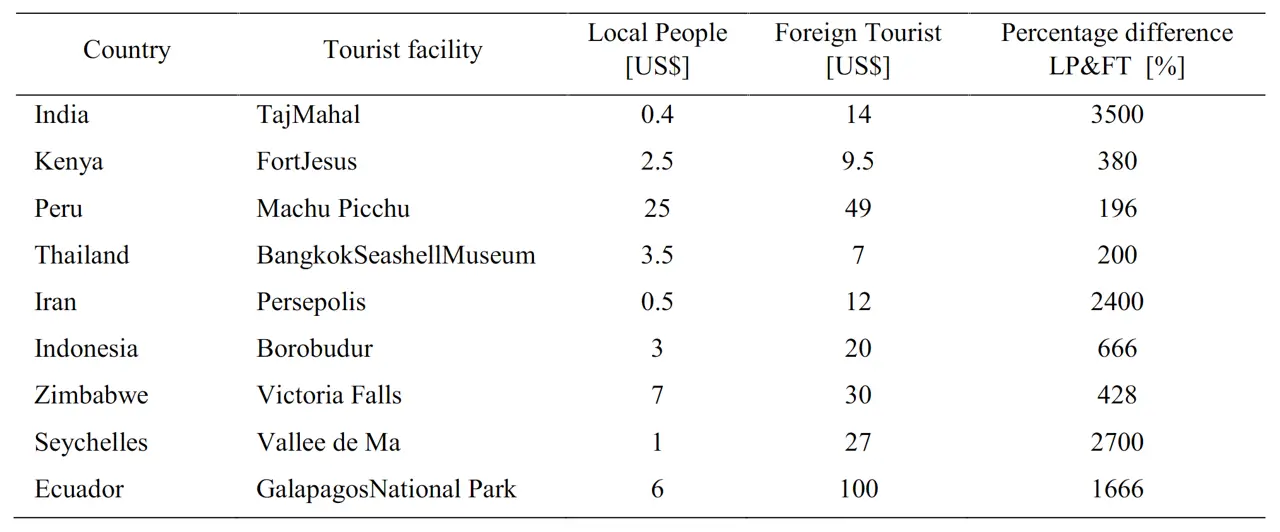
Below is a table of famous sites showing the percentage mark-up for the entrance fees in 2013, taken from a paper looking at opinions on dual pricing in Nepal:
There are other types of tourist pricing too. To enter Bhutan, it is necessary to pay a daily fee of $100 dollars a day. This cost includes your guides, accommodation, food and transport, however it is still an imposed fee by the government.
This practice is not limited to countries in the Global South, either. For example, Disneyland gives discounts to people with Southern California zip codes and the Louvre has free entry for anyone under 26 in the European Economic Area. Very recently, in 2025, Japan has published intentions to charge foreigners more to visit certain sites, like the famous Himeji Castle.

Why Does Dual Pricing for Tourists Exist?
There are multiple reasons why a tourist mark-up might exist for government-managed sites, national parks and World Heritage sites:
1. Places like World Heritage sites are on local people’s land. Their ancestors before them lived and worked there and to charge people excessively for access to their home seems unjust.
2. Famous sites with large numbers of international visitors require adequate management and amenities to facilitate the volumes of people. Bins, signs, bathrooms, cleaners, multi-lingual staff all cost money. This will be paid for, at least in part, by local/national taxes.
3. It is necessary to manage any damage that comes with the footfall. Elevated ticket costs pay for maintenance fees and compensation for the potential environmental impact of tourists.
4. People may have been displaced by the creation of the national park/world heritage site. Their jobs or homes may have been destroyed. For example, farming/wildlife hunting on national park land could be discontinued to preserve the site. Supporting these local communities is essential in sustaining a cultural balance.
5. There is often an income disparity between visitors and local people and many residents would simply never be able to afford to visit at all. In general, the disposable income of tourists is far higher than citizens (just the airfare abroad is out of reach of the majority in the Global South).

Is ‘Taxing’ Tourists Reasonable?
In my opinion, the answer to ‘is dual pricing reasonable?’ depends on the situation.
In relation to government-managed attractions and World Heritage sites, the five points in the previous section say it all. I have no issue with paying a ‘foreigner tax’ to enter world famous, unique locations.
The bigger questions here are:
⬩ How much of a ‘foreigner’ mark-up is reasonable?
⬩ Where does the money go and what is it used for?
The table above listed a bunch of places and the percentage increase between tourist and local fees. What do you consider to be a reasonable value, or does it depend? Here are some points to consider:
1. If tourist pricing is being used as a deterrent, then should it be considered overcharging?
For example, a trekking permit to enter the Upper Mustang region in Nepal costs $500 per person for ten days (plus a few smaller fees). This is unless you’re Nepalese, who get free entry. That is quite the difference! However, it is a restricted region, and the aim is to limit the number of tourists in the area. The tourist charge would also be reasonable if it was a particularly dangerous or risky area where search and rescue was routinely required.
2. World Wonders/Heritage sites are not all managed equally
Some attractions have world-class facilities – well-maintained signs in multiple languages, high quality amenities, disabled access, free museums, and parking. Other sites lack resources, have minimal crowd management and are full of unauthorised hawkers/venders. Therefore, some are, at least theoretically, worthy of a larger percentage increase than others.
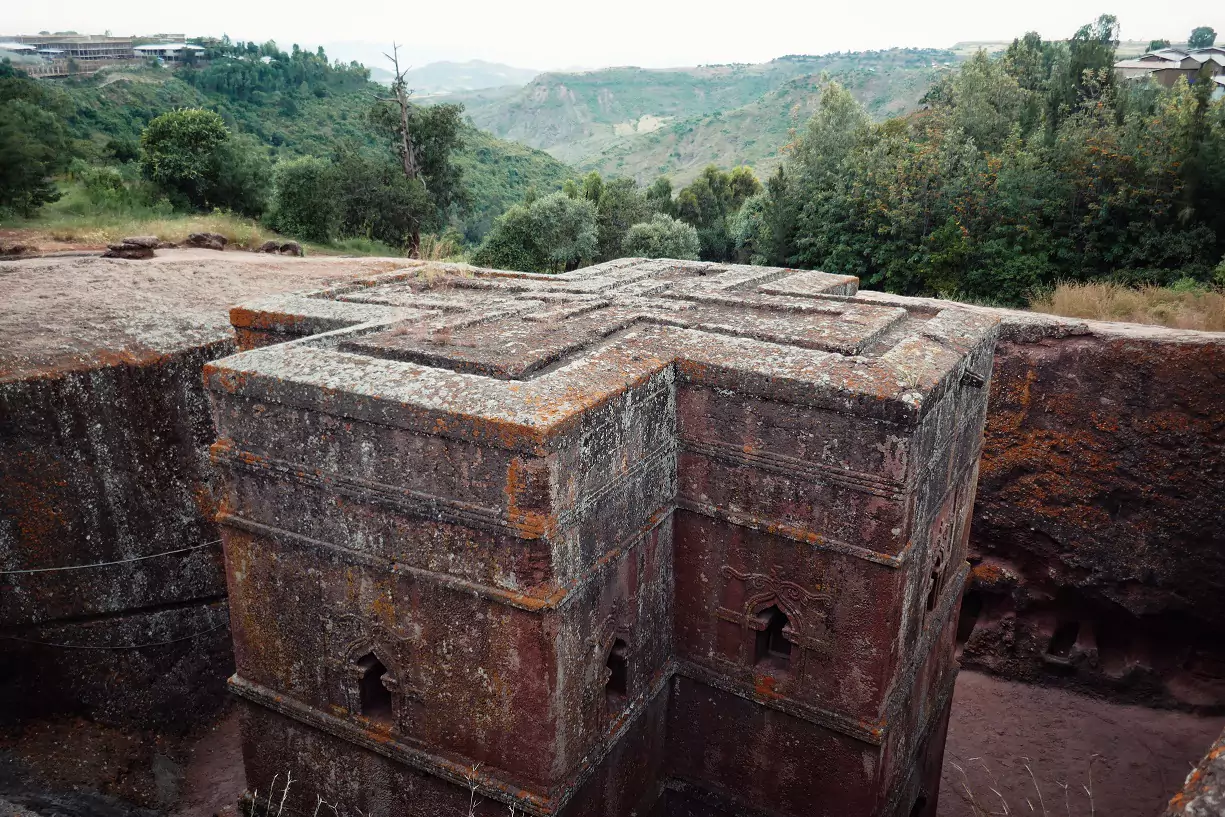
Lalibela, home of the rock-hewn churches in Ethiopia, are now rumoured to charge US$100 for entry, which, considering the lack of signage and infrastructure, some consider really excessive (we paid US$50 on our visit a few years ago).
3. Where does the extra money levied on tourists go?
Some governments are notoriously corrupt. Does the additional money support local communities that may have been displaced? Does it protect the environment from the inevitable damage caused by the footfall of thousands of visitors? What about enhancing visitor amenities?
This is a challenging question to answer. Since there are so many sites and governments who are (predictably) not forthcoming on the money front, it is not always easy to know. Occasionally some official websites discuss what the proceeds from ticket sales goes towards, however from personal research, this is rare.
4. Some local people believe that foreign tourists are less likely to buy souvenirs, food or a guide if entry fees are excessive.
This idea is not that far off the mark – if you feel you have been massively overcharged on entry, you are far less likely to also pay for a guide or a nice gift for your mum. You are also more likely to question the cost if you see a ‘resident fee’ so much lower, written right next to yours.
I felt this exact way about the price tag for the Mayan ruins of Uxmal when I visited; it just seemed steep and I did not have enough leftover cash for a guide. Read another example of this sentiment, where a couple did not have enough money for a guide to the Ek’ Balam Mayan ruins due to price increases.
It was not just Uxmal and Ek’ Balam that have this issue. In 2019, Yucatan State in Mexico imposed a huge, unadvertised extra payment on foreign tourists for entry to all the major tourist sites – including Chichen Itza. This made visiting the ruins more than double the price, at around US$20, compared to US$3-4 for equivalent sites in neighbouring Campeche and Quintana Roo states. The extra funds are earmarked for improved infrastructure and upkeep, according to state officials.
The increased ticket prices for foreign visitors have been protested by local businesses who claimed that they will incur economic losses from the changes. This shows that it is not just tourists that detest the (sometimes excessive) dual pricing! From an ethical point of view, it could certainly be considered an unreasonable mark-up if the fee actively decreases local businesses income.
Tourist Pricing Example
Petra, the Nabataean city in Jordan, is one of the most expensive world wonders (named in 2007) in terms of entry fee. It costs around $70-90 dollars per person if you just want to visit for the day – nearly as much as Disneyland. Local people pay $1.40. That is an increase of 5000% or more for a non-Arab foreigner. Other Jordanian attractions have similar mark-ups, but none that large.
Is this fee reasonable? The answer may well depend on who you speak to.
The Bdul
The Bdul, a Bedouin tribe from the Petra region, were displaced from the area in 1985, the year it was designated a UNESCO World Heritage site. They now mostly live in a community nearby to Petra called Umm Sayhoun – a purpose-built settlement. There were mixed opinions on the move (a topic for another post, I think).
A 1993 UNESCO management report discussed the Petra National Park ‘master plan’ that was drawn up in 1968. This plan describes the tribe as an ‘obstacle’ to be overcome and prioritises tourism (on page 70, if you are interested):
“…it was considered necessary in the 1960s to present the archaeological site in as neat and tidy a way as possible, banishing any unnecessary human presence;”
“…Petra having become, through tourism, a window on Jordan, living in caves was considered to be a sign of backwardness, and the presence of the Bdul a counter publicity for the country.”
After displacement, the tribe was not given adequate opportunity to continue their trade. Despite being shepherds, they were given insufficient space to house their animals. The number of houses provided was deficient and there was no provision to expand even with an increasing population. The report says that, as of 1993, “the socio-economic and legislative studies which should have accompanied the master plan have not been done”.
This injustice they face is essential knowledge if we are to consider why foreigners pay more money for entry to their land. The attitude towards indigenous people of the region is fraught with issues, too many to discuss here in this post about dual pricing.
More Recently
A 2010 paper, looking at tourism and conflict within local communities in Jordan, points out how little the host community benefits from ticket sales at Petra. In the report, criticism was aimed at the Petra Region Authority about their lack of transparency with the profit distribution. The revenue that went into Wadi Musa, the town immediately adjacent to Petra, was mainly used to improve roads, gardens and services mostly relating to the tourist sector. This ignored serious infrastructure problems of the old town that were needed by the residents.
Whether this forced relocation is a long-term benefit to the Bdul or not, I would hope the elevated ticket price partly paid for reparations and support for the people who were originally living there. Maintaining the cultural fabric of an archaeological site should be just as vital as the physical; whether this has been the case here is questionable.
Note | other tribes other than the Bdul were displaced from other regions within Petra. Many suffered similar fates.
Final Thoughts – Paying More as a Tourist
From my point of view, we are holidaying in somebody else’s home – so should compensate in any way possible for the impact we have as visitors. This includes occasionally paying more for access to attractions.
There are so many facets to this situation that we haven’t even discussed in this post. Consider, for instance, a place of worship – a resident practicing their religion should not have to pay. They may already donate to the upkeep anyway, and if we just want to have a wander around and gawk, then paying a tourist tariff seems perfectly reasonable. This means the purpose of your visit unquestionably matters.
It’s also sadly the case that no matter how cheap the local fee is, some residents will still not be able to afford to visit. It might be the transport, accommodation, or the time needed, but it is always worth remembering that in the Global South, you will likely be visiting somewhere that a local person may never be able to go.
We are never really going to know if the ‘foreigner’ charges are going towards causes that make us feel comfortable about paying that little bit extra. It is worth researching the site if there is dual pricing – although this may be a fruitless endeavour.
Fundamentally though, I’ve made peace with paying more.
Hi, thanks for visiting our blog! If this post has been of help to you, or you’ve just enjoyed our random ramblings and musings, say thank you by buying us a coffee! It helps keep The Restless Beans blog up and running.
Thank you, Claire + Nick


