

· PHOTOGRAPHY · AFRICA · MOROCCO ·
The 15 Most Beautiful Cities in Morocco
Scribbled by Claire ◊ 28 Oct 2024
Morocco is photogenic, there’s no doubt about it, and nothing is more beautiful than its cities. These incredible population centres ooze character, atmosphere and a unique beauty – this is a list of our favourites, the ones we thought were just mesmerisingly beautiful.
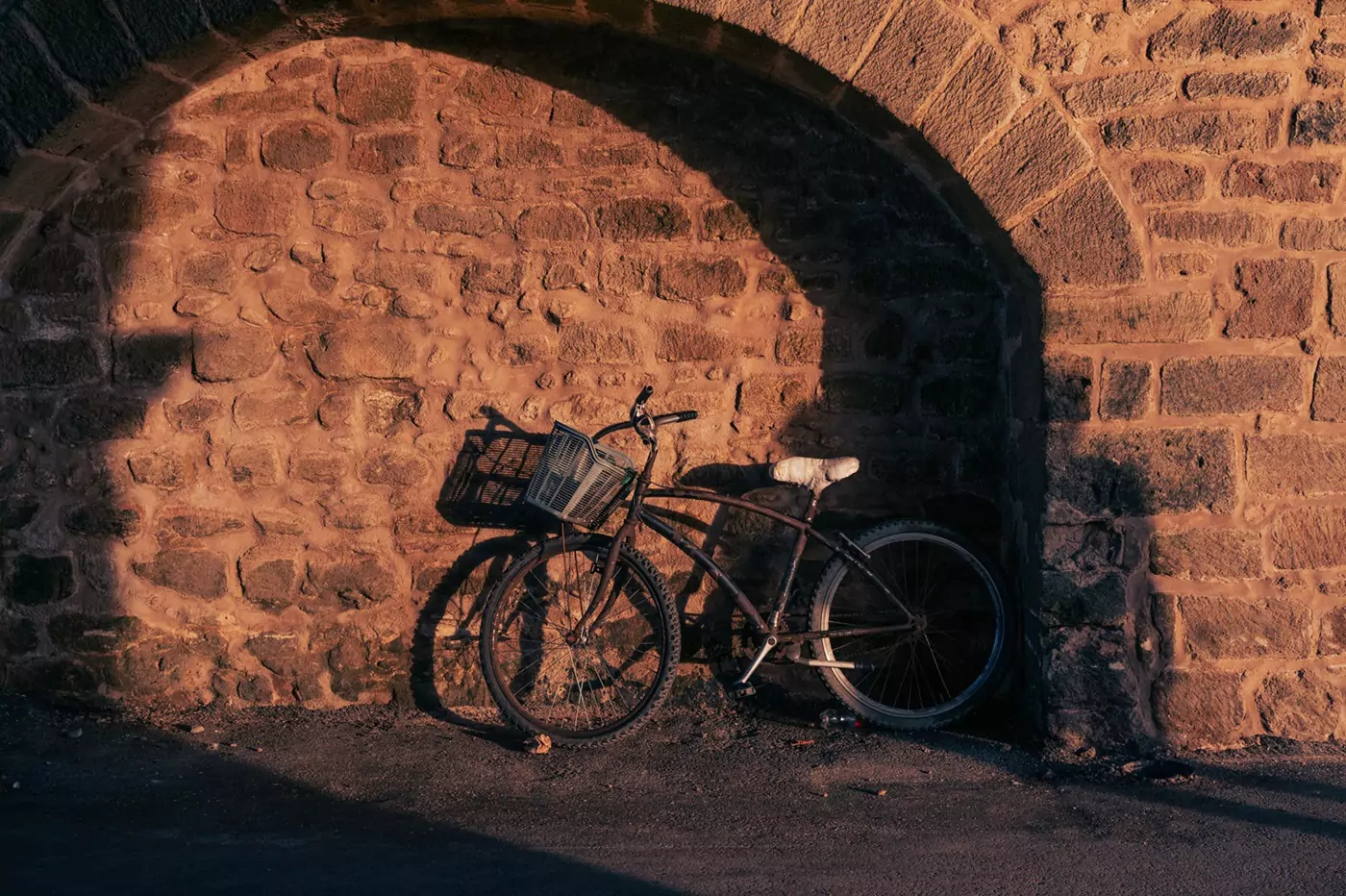
Morocco is a north African country with more than its fair share of beautiful cities. These ancient settlements are steeped in history, filled with quintessential Arabic architecture, frenetic markets and astoundingly panoramic scenery. They’re a wonderful assault on the senses, where hospitable tradition brushes up against contemporary Morocco, all accompanied by residents that are genuinely welcoming.
Morocco has lots of major population centres (the country is actually quite large), but it’s not always these bigger, more well-known cities that hold the ‘most beautiful’ crown. There are many smaller towns that exude a unique charisma and complement their corresponding landscapes seamlessly. Every city listed here has its own kind of photogenic magnetism, whether you are looking for vast, epic landscapes, or tight, atmospheric alleyways.
We spent six weeks driving the length and breadth of the country – documenting and photographing the cities we visited. Below is our list of what we deem the most beautiful cities in Morocco, with associated pictures. Some are well-known, others less so – we hope you can find some inspiration here for your trip!
This post may contain affiliate links. If you book through these links we may make a small commission at zero cost to you. It helps us pay for the upkeep of this blog. Thank you!
The Most Beautiful Cities in Morocco
Below are the cities we deem to be the most beautiful in Morocco. They’re split into southern and northern regions of Morocco (makes it easier to plan an itinerary this way!).
We’ve included things to do, what the city is best for, and any accommodation recommendations we have. For a more detailed route through all of the coastal cities below, check out our Morocco coast road trip itinerary. For a journey through the southern Morocco, check out our Atlas Mountains itinerary.

Part 1: Cities in the Northern Half
1. Tangier
Tangier is legendary. Well, the name and historical reputation is, at least.
Visible from Spain, this city has featured in films and stories as a solace for fabled writers and artists, as the cultural divide where Europe meets Africa and a place where, historically, more seedy exploits were sought.
Nowadays, the new town has a distinctly European feel, with large, white, art deco blocks lining wide, Spain-facing beaches. There are malls, modern restaurants and a distinct atmosphere that is unique across the Moroccan cities we visited.
Tangier’s old town and Kasbah are the complete opposite, retaining that old town allure, with enchanting alleys, pretty market stalls, artists sat on the streets and broad views from the upper walls. It’s a great place to explore for a few days.
Outside of central Tangier, the city is surrounded by incredible coastline, immense beaches and outstanding panoramas of the city. We loved it here.
Population: 1,350,000
Best combined with: Asilah, Tetouan (or for longer trips, Fes, Rabat, Meknes, Chefchaouen)
Great for: beaches, ocean views, access from/to Europe, Med vibes
Nearby sights: Cap Spartel, Hercules Cave, Asilah, meeting of the Atlantic and Mediterranean, various beaches (anything down the western coast was wild and glorious when we visited), Lixus Archaeological Site.
Number of days: 2-3
◊
Our Tangier hotel recs: on the modern side of town, Pestana Tanger offers amazingly modern, fully-fitted apartments right next to the train station, which include easy parking (lovely staff, too – thoroughly recommend if you’re after something a bit more contemporary).
In the Kasbah area, we recommend Dar Rif Kebdani, with an incredible central location, impeccable staff, excellent breakfast and a pretty rooftop.
◊
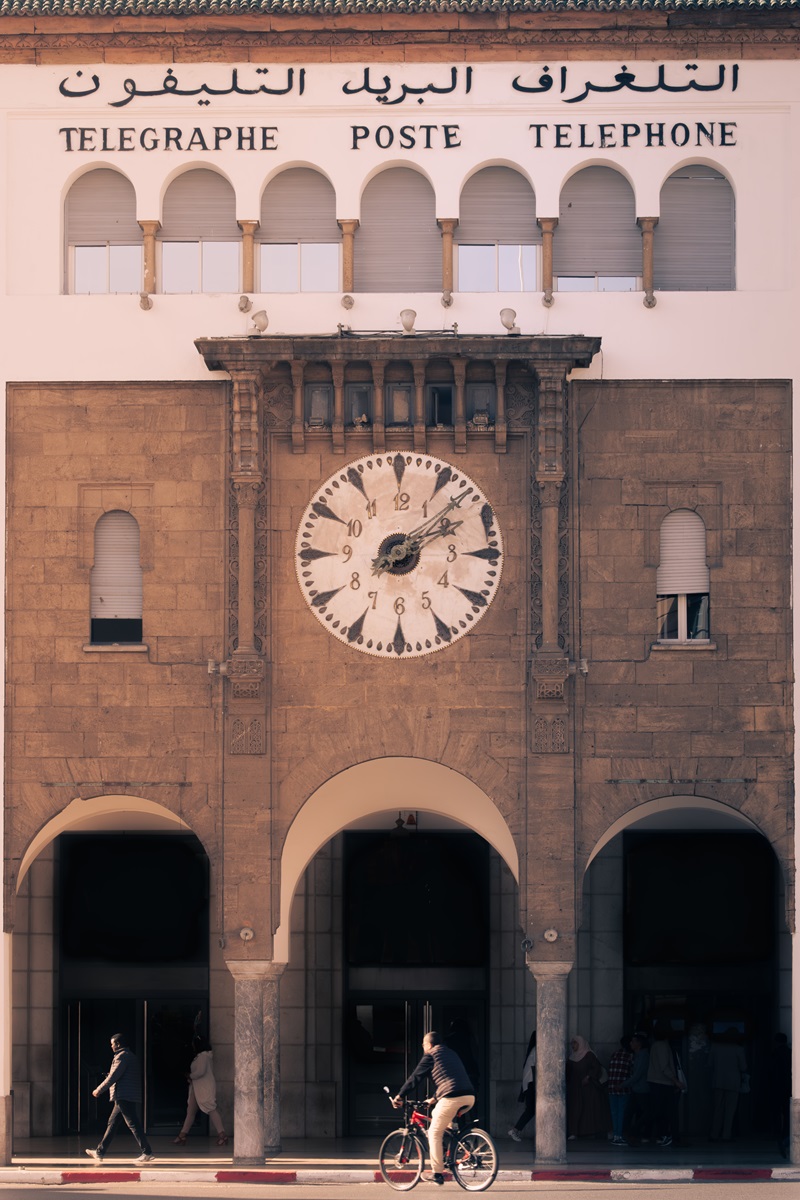
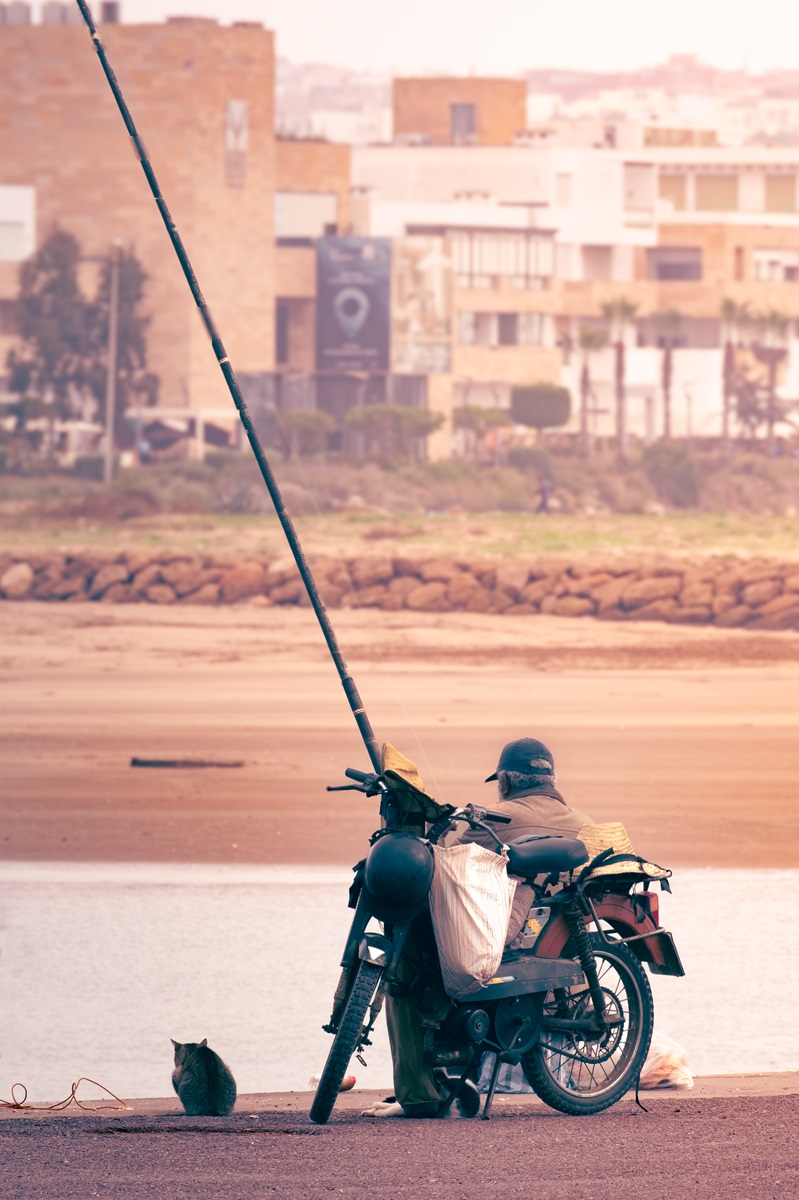
2. Rabat
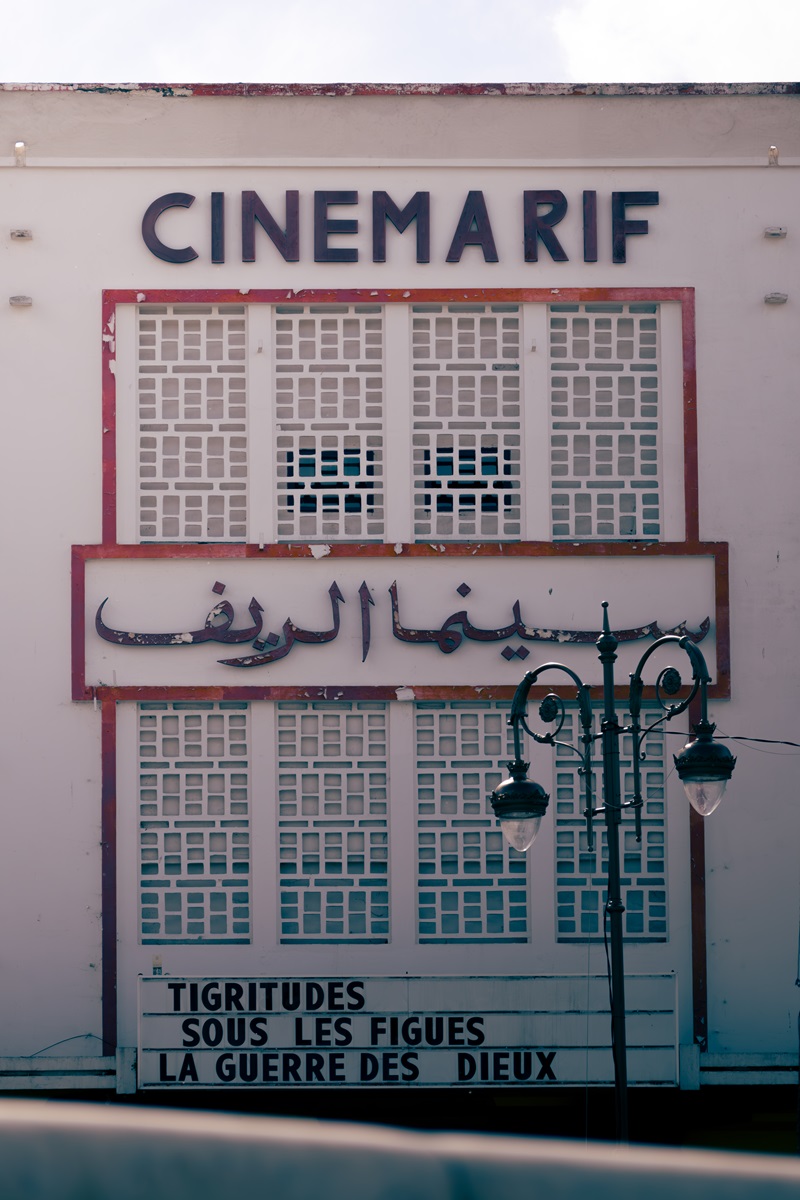
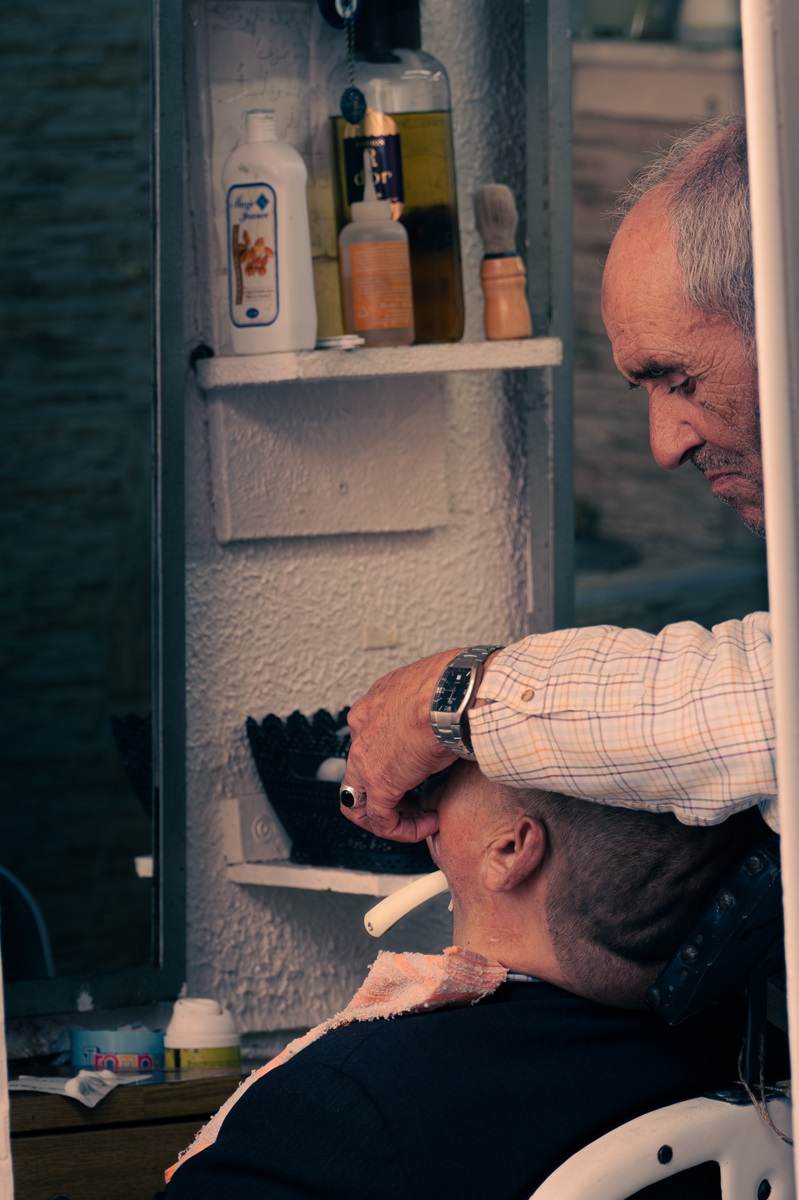
The actual capital of Morocco (many think it’s Marrakech), Rabat is an unassuming little city which really packs a punch.
Cities in Morocco tend to evoke strong emotional responses from visitors (both positive and negative), however every person I’ve spoken to loves Rabat! Having said that, relatively few tourists actually visit (my sample set is not that high). As a result, Rabat is one of the cities with the lowest hassle-coefficient in Morocco.
It’s clean (although has the biggest dog/cat poo problem across the country, in our opinion), has a pretty oceanfront medina with minimal tourist tat, a little bit of surfing, a giant, photogenic kasbah with views for miles, plus one of our favourite places – the Hassan Tower and Mohammed V Mausoleum.
The accommodation is a little more expensive in Rabat, from our experience, but is still very much worth a visit. Definitely stay for a night or two (we stayed several) – there’s enough to see to make it worthwhile.
Population: 2,000,000
Best combined with: Casablanca, Meknes, Fes
Great for: avoiding tourists, pretty views, markets with zero hassle
Nearby sights: Sale
Number of days: 1-2
◊
Our Rabat hotel recs: we chose a lovely riad in the centre of Rabat’s old town, called Riad Dar Soufa.
It was within walking distance from everything, including both the train station and the bus stop to the airport. The owner was really friendly, spoke fantastic English and gave us lots of cake on arrival!
◊
3. Fes
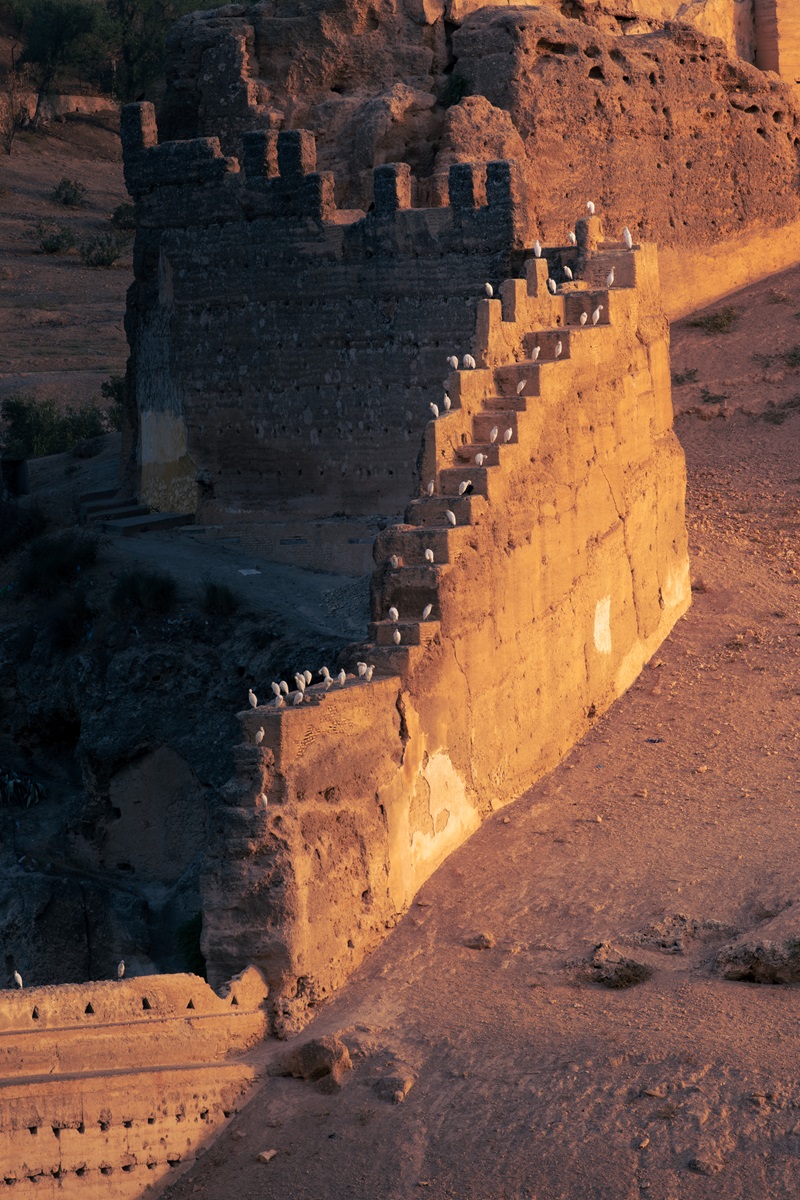
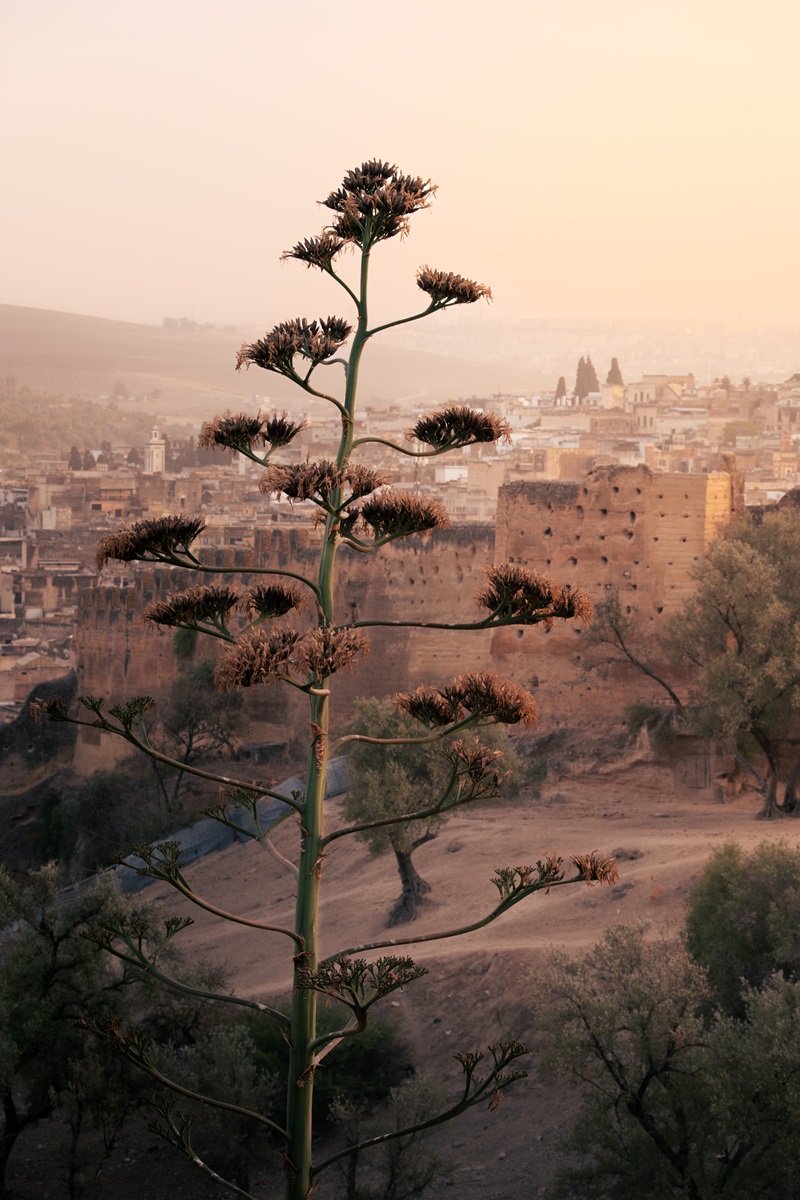
Fes is the second largest city in Morocco, after Marrakech. It’s also one of the most beautiful cities in Morocco in our opinion, built on a sweeping hill with the tightly packed, labyrinthian medina sprawling endlessly. It’s a spectacular sight.
The UNESCO designated medina is the largest in the world and oldest in the country, with unceasing criss-crossing lanes and passageways that make it feel unbounded. It’s actually a really entertaining place and we recommend you explore at least a little bit without a guide (you don’t need a guide at all if you don’t want one – we didn’t!). The sense of scale is honestly enhanced by feeling kind of lost. We also had a sweet dog follow us for an entire day – the greatest kind of guide! (Be extra nice to the dogs in Morocco, they get treated pretty badly compared to cats).
Along with the beauty, however, comes crowds and hassle. It’s a city where you’ll have to get used to saying ‘la, shukran’ a lot (no thanks). It’s so touristy that unless you’re coming here to buy speciality leather, then many other products are just tourist tat (not exclusively, but there’s a lot in Fes).
Reality | be careful here, it was the only place we found that somebody tried to pickpocket us. Our zipped back pockets were opened every single day in the medina (fortunately we had nothing important in them).
Population: 1,300,000
Best combined with: Meknes, Al Hoceima, Chefchaouen.
Great for: insanely photogenic city views, visiting a tannery, hustle and bustle, leather shopping, historical sites and a famous masjid (the University of Al Qarawiyyin is not only the oldest in the world – but also very striking).
Nearby sights: Ruins of Volubilis, Moulay Idriss Zerhoun
Number of days: 2-3
◊
Our Fes hotel recs: everybody stays in a riad in Fes, it’s like a rite of passage. For us, we wanted one that was very close to the medina and also had nearby parking (driving in medinas, in general, is a no-go or straight up impossible).
Our choice was the Riad Toyeur, which had amazing rooms (the best of our entire trip), fantastic staff and a decent breakfast. We specifically loved the location – it honestly can’t be beat, even if you’re not driving. Be aware that this riad books up fast.
◊
4. Chefchaouen
The blue city of Chefchaouen is, indeed, visually striking. Renowned in Morocco for its distinctive appearance, even the journey to this small settlement, set high in the foothills of the Rif Mountains, is spectacular.
The old part of Chefchaouen is painted nearly totally blue, exactly like all the social media photos! We were told (more than once) that the blue is to ward off mosquitos. I’m not sure if that’s true, but somebody in the medina of Sousse, Tunisia, told me the same (it’s blue there, too, and way more peaceful)!
This city is touristy – very, very touristy. We spent four days in Chefchaouen and can confirm that the city is slightly more tolerable first thing in the morning, or later in the evening when the day trip groups leave. However, it never really quietens down and there is an enormous amount of general hassle. There are also blue-decorated places, specifically made to charge for photos, and truthfully, I wasn’t enamoured by the tourist volumes or residents selling everything under the sun.
Be aware that the city also has a significant cannabis culture thing going on, so you’ll not leave your hotel without being asked if you want to go visit a plantation or to buy some weed by a stoned teenager.
It’s certainly one of the most beautiful cities in Morocco, but with that prestige comes some of the unfortunate aspects of overtourism.
Population: 39,000
Best combined with: Fes, Tetouan, Tangier
Great for: blue photo ops, mountain scenery, road trip views
Nearby sights: Akchour Falls, Talassemtane National Park
Number of days: 1-2
◊
Our Chefchaouen hotel recs: Chefchaouen is small but has no shortage of hotels. We found them to be a little pricier than other towns (for the quality of the room).
We stayed in Balcon Bleu, which was superbly central, very modern, had lovely owners and nice lighting in the rooms (a rarity in Morocco’s riad style properties). It also had a big breakfast spread, good wifi, decent rooftop views and easy, nearby parking.
If you are looking for somewhere with a bit more character, consider Dar Dadicilef. It’s more traditionally designed, with a top-notch breakfast, nearby parking, friendly staff and is also a bit more budget friendly, with a range of dorm rooms and rooms with shared bathrooms (along with the usual private options).
◊


5. Al Hoceima
This lesser visited city is a bit different to the rest on this list.
Al Hoceima has a very European vibe going on (I think European tourists vacation here in the summer, but we visited out of season, so it was dead quiet). It’s situated on the Mediterranean coast of Morocco, high on the cliff edges where the Rif Mountains meet the sea, adjacent Al Hoceima National Park.
It’s got a kind of beach resort vibe, with pretty, stacked white buildings precariously perched above strips of sand (definitely reminds me of parts of Spain). There are also some larger resorts, which I’m not madly in love with (I’m glad we visited when there was nobody else there – although it might be absolutely perfect if you’re a beachy person). However, the nearby wild, barren cliffside scenery is outstanding and the sunsets are as good as they get.
It’s a lovely place to take it down a notch and just be completely alone on some hiking trails, lonely roads and quiet bays. It’s a really beautiful city, in even more beautiful surroundings. There’s even a tiny bit of Spain you can visit (Al Hoceima also has a large Spanish population).
Population: 400,000
Best combined with: Fes, Chefchaouen, Tetouan
Great for: ocean views, quiet (during off-season), beach resorts, access to Europe
Nearby sights: Al Hoceima National Park, Forteresse de Torres/Torres Alcala
Number of days: 1-2
◊
Our Al Hoceima hotel recs: unlike a lot of other cities, Al Hoceima does not have a medina-style old town. It’s all mostly beach resorts type properties.
For a great value, modern resort-style hotel with impeccable views, consider Mira Palace (it has a banging breakfast, very modern rooms and we paid very little to stay here out of season).
Alternatively, consider a stay in one of the many apartments available along the coast in Al Hoceima – there are hundreds of them which is great if you are travelling as a family or like to cook!
◊

6. Asilah
Asliah is a tiny coastal town, only 20 miles south of Tangier and could easily be visited as just a day trip (it’s nice enough to spend the night, though, if you have the spare time). It’s a gleaming white, friendly little place, which attracts a reasonable number of tourists and photographers (nothing on the scale of places like Chefchaouen, though).
Picturesque colourful windows, traditional architecture and a whole slew of modern art are all charming features within the Portuguese walls of the maze-like old town, which is easily walkable in an hour or two. Honestly, despite being one of the smallest on the list, this is easily one of the most beautiful cities in Morocco.
Views from outside the city walls demonstrate how incredible the seawall fortifications here are – they’re incredible, especially on a rough weather day when the waves smash the shore.
Population: 29,000
Best combined with: Tangier, Rabat
Great for: outstanding street art, few crowds, beautiful fortifications, ocean views, nice souvenir shopping
Nearby sights: everything near Tangier
Number of days: 1
◊
Our Asilah hotel recs: for a cute stay near the old town medina, consider Casa Bahia, which has remarkably contemporary rooms, super welcoming staff, free parking, great location and beach access. It even has a small pool!
◊

7. Meknes
The UNESCO designated city of Meknes is located so close to Fes, yet far too many people miss it off their Morocco trip.
It’s one of the four imperial cities of Morocco (the others being Marrakech, Rabat and Fes), and is worth a minimum of a night on any Morocco itinerary. The general vibe is hospitable, with virtually zero hassle, minimal tourist tat and an atmospheric, covered medina.
Honestly, I preferred Meknes to Fes. It’s a fantastic city, with its colossal, ornate abwāb (gates), a hectic but resident-centric medina and friendly ladies that will decorate your hand with henna for free in a car cark (well, this happened to me, anyway). It’s such an approachable, unassuming city, but the reason we’ve chosen it as one of Morocco’s most beautiful cities is due to the architecture. I used the word ‘unassuming’, but the elaborate babs are anything but.
The abwāb are currently under restoration, so check their progress before you visit (or visit anyway because the city is lovely).
Population: 590,000
Best combined with: Fes
Great for: photogenic architecture, friendly local markets, loads of cats, fewer tourists
Nearby sights: Ruins of Volubilis, Moulay Idriss Zerhoun
Number of days: 1-2
◊
Our Meknes hotel recs: the best option in Meknes is to stay in a riad near the medina.
We choose Riad Yacout due to its particularly strategic location. It turned out to be a great choice, right opposite the main city parking, located in the pretty main square (next to the babs!), with some particularly friendly attendants who looked after our vehicle.
The room was high-end, far nicer than we were expecting, and the building and rooftop beautiful. Would highly recommend for a visit to Meknes.
◊
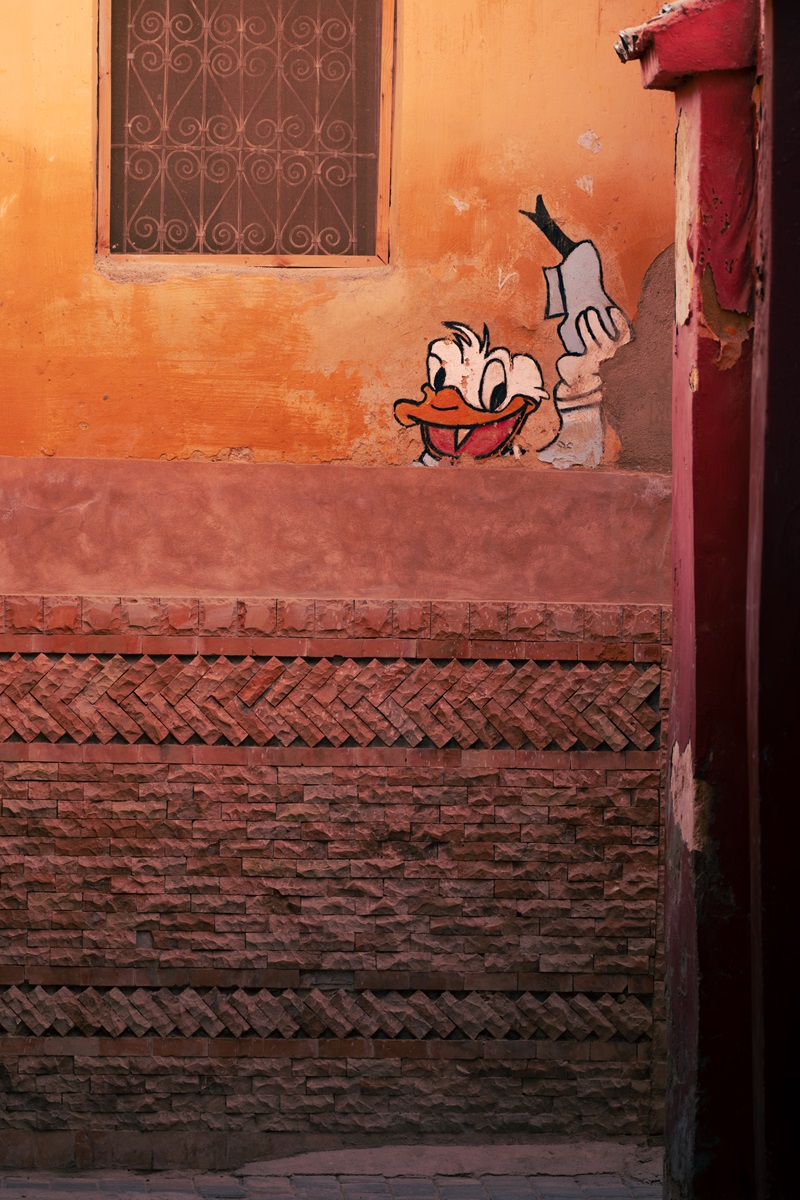
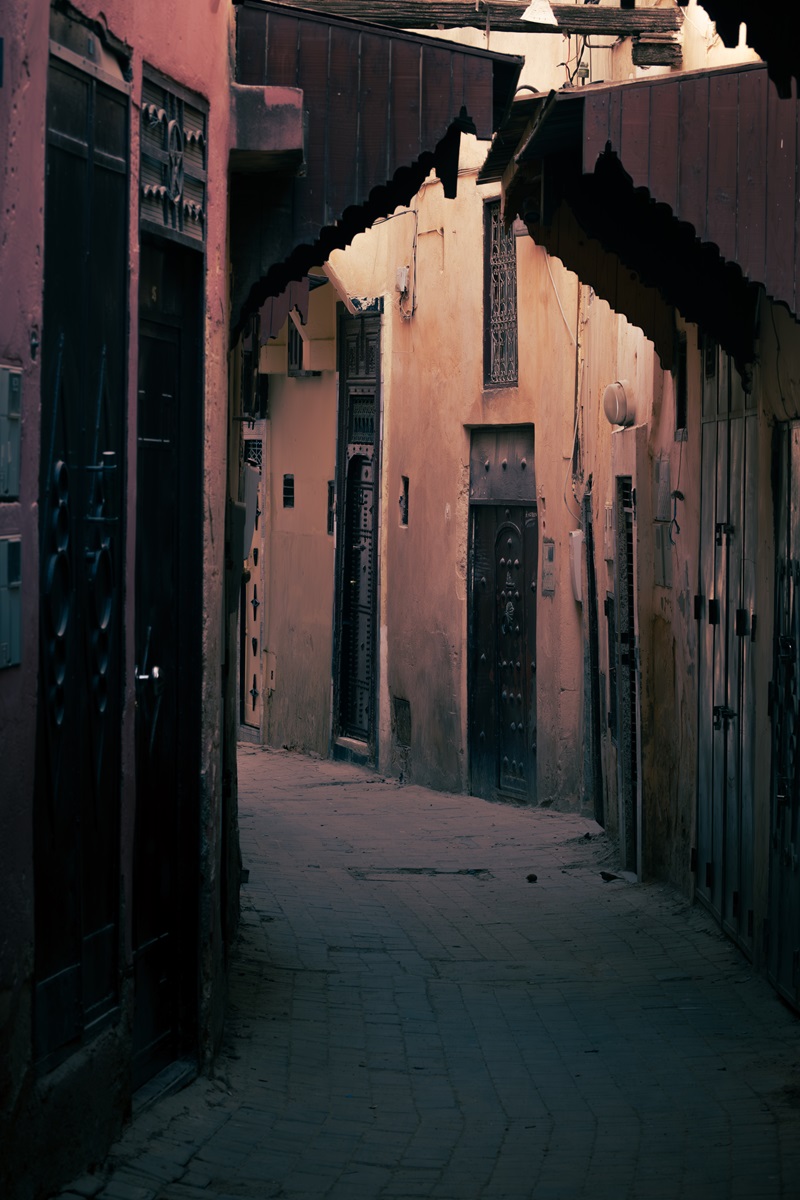
PEOPLE LIVE IN THE MEDINAS OF MOROCCO’S CITIES
Sometimes, I think some tourists forget that medinas are homes too. As visitors, it’s exhilarating to go and explore the back alleys, hidden streets, and mini-souqs across these beautiful ancient cities.
However, it’s worth remembering that people reside there, with their windows and doors facing right out on the street. Often, the streets are a place for laundry and washing up, a place to socialise with friends, or a place to grow plants.
Consider how it would feel if tourists with big cameras came loudly wandering past your house every day. It would get old, pretty quick. When we inevitably ended up in the back streets of these medinas, we’d always whisper, tread lightly and make sure we were extra smiley and polite to anyone we bumped into. We’d also never point our cameras at anything or anyone that felt invasive and kept them out of sight for the majority of the time.
Want to get away from the city centre medinas? Take a look at our favourite outdoorsy adventures in Morocco.
–
WHAT IS A MORROCAN RIAD? | AN ADVENTURE DOWN MOROCCO’S COAST
CAR HIRE FOR YOUR MOROCCO TRIP
We always rent our vehicles all over the world, including our recent trips in Oman, Saudi Arabia, Tunisia, Jordan and Morocco, with Discover Cars. They’re often the most affordable, plus they paid out immediately on an insurance claim we made when our car took some heavy damage in Sicily. We fully recommend them.
–
TAKE A LOOK BELOW OR CHECK CAR RENTAL
Part 2: Cities in the Southern Half
8. Marrakech
Marrakech is Morocco’s premier city; the one everyone talks about.
Surrounded by dusty mountains, with skyline-silhouetted minarets through hazy sunsets, this city’s feverish markets and constricted alleys are enchanting. Known as the Red (or Pink) City, Marrakech’s buildings of beaten clay glow in the harsh sunlight and catch the late-day sun in the early evening – catch a view from any of the rooftop venues or riads.
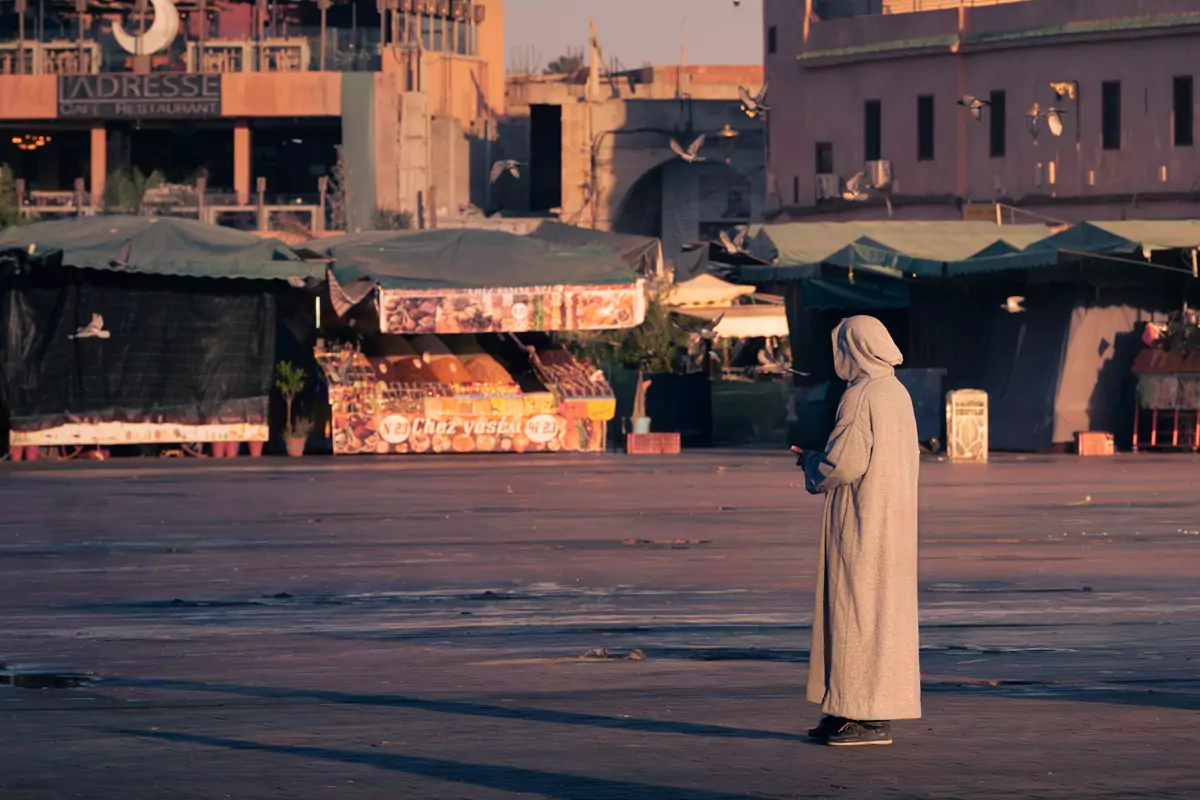
Marrakech has a hecticness that is unique in Morocco; motorbikes, people, markets, all converging on the UNESCO designated Jamaa-el-Fna, the centre of the old town, adjacent to the towering Koutoubia Mosque.
It is definitely one of the more beautiful cities in Morocco, but along with that status comes crowds, scams and tourist tat. It’s worth exploring beyond the centre, where you’ll find small mechanic shops, souqs and stalls that are less apparent in the area surrounding Jamaa-el-Fna.
Personally, we experienced zero hassle, but maybe it’s because my guard was up when we were there. Others report all sorts of trouble (nothing serious though), so be aware. Also, avoid anything to do with animals (Jamaa-el-Fna is packed with full-on animal exploitation). Things like defanged snakes and dressed up dancing monkeys may seem exotic and fun, but it’s pure and simple animal abuse. Don’t give them reason to continue, even if they’d make for a great photograph.
Population: 1,070,000
Best combined with: Essaouira, Ouazarzate, Ouirgane, Imlil
Great for: the largest market in Africa, rooftop sunsets, hot air balloons, cuisine, tourist infrastructure, street photography
Nearby sights: Ouzoud Falls, Jebel Toubkal, Ait Ben Haddou, Bin El Ouidane
Number of days: 3-4
◊
Our Marrakech hotel recs: most people stay in a riad in the central medina. However, you don’t have to! There are quite a few hotels around the train station and in the fashionable area of Gueliz that have excellent parking if you are travelling with a car (and it’s an easy bus into the medina).
We’ve stayed in both the central medina area and around Gueliz, and our recommendation for the medina is Riad El Habib, a small riad literally right next to Jamaa-el-Fna, with views of the market, mosque and mountains from their roof top. The staff are particularly lovely and speak impeccable English. This particular riad gets booked up fast, so reserve in advance.
Outside of the medina, The Opera Plaza Hotel is a large international-style hotel, literally opposite the train station, with a pool in the central courtyard and large, clean modern-ish rooms. Most importantly, lots of guarded underground parking (with lovely attendants!). We stayed here a few times due to the convenient parking, but always booked in advance for better rates (prices can be sky-high nearer the time).
◊

9. Taroudant
Taroudant is an ancient, fortified city with impressively preserved 7.5-kilometre-long ramparts surrounding the entire town. It’s no doubt one of Morocco’s most beautiful cities, but the real charm lies in the lack of visitors and traditional, conservative culture.
Luckily, it’s a little too far away to be popular with the Marrakech hoards, and many of the tourists to Agadir are more vacation oriented, making Taroudant an amazing place to spend a day or two, just wandering about. It’s a low-key, zero hassle kind of place. There are daily events on in the squares along the outside walls, with family gatherings, kids playing football, food vendors and fair ground rides, plus lots of traditional babs dotting the ancient walls. It’s a fantastic place to experience how residents spend their evenings, without tourists being the primary target (unlike in other cities on this list).
We were met with the friendliest enquiries and conversations in Taroudant, but it’s also seriously conservative – the most out of everywhere we visited, with many women wearing niqabs. Make sure you dress appropriately.
Population: 83,000
Best combined with: Agadir, Tafraoute, Taghazout
Great for: few tourists, epic city walls, local activities and markets, conservative culture
Nearby sights: Tizi n’ Test Pass, Paradise Valley
Number of days: 1-2
◊
Our Taroudant hotel recs: Taroudant has relatively few properties, but there are some decent options. One of the most popular (especially for tour groups) is Dar Tourkia. It’s a large, gated mini-resort style hotel with simple, clean rooms. Iy also has unsecured parking out the front.
A nicer, more traditional option is Riad Amnay, a stunningly decorated property in central Taroudant with super comfy beds, lovely hosts and public parking just down the road. This one can sometimes sell out fast, since it only has seven rooms.
◊


10. Tafraoute
Tafraoute was, in our opinion, the most beautiful city in Morocco, hands-down.
It doesn’t have an old town, as such, or a traditional medina (the town is very small), but instead, it’s bordered by some of the most staggering scenery I’ve ever experienced. Massive boulders and rocks encircle this isolated pink-hued desert hub, providing opportunities for hiking, climbing, cycling and all manner of adventures in every direction. It’s also a centre for Berber culture and, for us, an ample escape from the urban sprawl of Agadir and Marrakech.
The town itself has a small, local-oriented market, plus a handful of hotels and restaurants. There’s really not much there, yet it feels approachable and energetic. We visited during some kind of international football event and men were out in the open-air cafes, shouting at the screens, tea in hand. It reminded me of home, in some uncanny way.
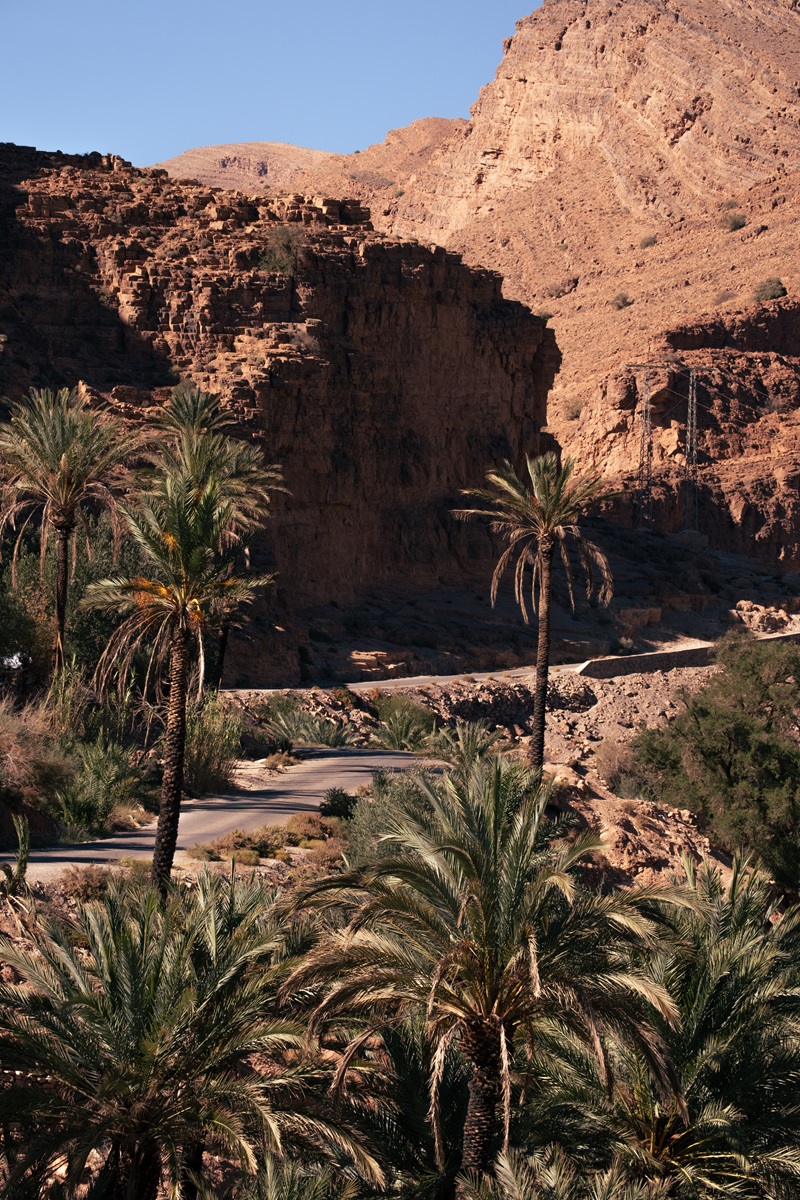
Tafraoute’s isolated location makes this city a far less-visited Moroccan destination, so it’s fantastic for avoiding the tourist masses. The roads that lead to the city are all completely empty and out-of-this-world scenic, plus the picturesque Gorges D’ait Mansour, bursting with date palms, is a short, photogenic drive to the south.
This specific town is on our must-return-to list. It’s incredible and oh so beautiful.
Population: 5000
Best combined with: Agadir, Taroudant, Mirleft, Sidi Ifni
Great for: outstanding hiking and climbing, photogenic scenery, road trips, isolation, Berber culture
Nearby sights: Gorges D’ait Mansour, Painted Rocks
Number of days: 1-3 (or more if you hike, climb and cycle)
◊
Our Tafraoute hotel recs: there are no high-end options here really, with Hotel Salama as the most tourist-oriented choice in the city. It has basic rooms, with pretty epic views from all sides on the upper floors (check out the roof top).
If we were to return, we’d definitely consider staying in Auberge Kasbah Chez Amaliya, which has outstanding reviews and a beautiful pool. It was sold out when we planned our trip!
◊

11. Sidi Ifni
Windswept Sidi Ifni is a tiny Atlantic coastal town, far to the south towards the divide with Western Sahara. Historically Spanish for 100 years prior to 1969, this settlement is unique. Its crumbling, sun-bleached, art deco façade sits atop a cliff, overlooking the vast, angry Atlantic, lined with Spanish street signs alongside the traditional Arabic.
It is tough to portray how remote this place feels, with wild, windswept beaches – I read somewhere that it felt like the ‘end of the world’, with which I concur. It’s relaxed, yet oddly inhospitable. This was the vibe I got when we were there – our journey was made out of pure curiosity and I’m glad we went! There is a beauty to the sleepy remoteness, plus you’ll always get a fabulous sunset view from up on the cliffs.
It’s a low-key surfer hotspot too, if that’s something you’re interested in during the summer months.
Population: 21,500
Best combined with: Agadir, Mirleft
Great for: rugged and remote vibes, surfing, ocean views, quiet
Nearby sights: Legzira Beach
Number of days: 1
◊
Our Sidi Ifni hotel recs: we stayed at a lovely homestay-type place in the centre of town, called Janna d’Ifni.
It was so charming, clean and comfortable, included a decent breakfast and had easy street parking. The beautiful garden courtyard was a surprise when you get inside – I saw a tortoise! Would fully recommend for a stay in Sidi Ifni (we could have stayed for weeks).
◊


12. Ouarzazate
Ouarzazate is Hollywood’s Moroccan darling.
So many well-known films have been set around this incredibly picturesque city that there are several film studios and museums dedicated to the trade. Films like The Man Who Would Be King, Lawrence of Arabia, The Mummy, Gladiator and even a very obvious set in Game of Thrones have used the area around Ouarzazate as a backdrop!
This isn’t the reason we visited though (despite my love of films). Images of the Kasbah and surroundings have been etched into my mind since I was a teenager, accompanied by some romantic, Aladdin-esque dream of exploring these mysterious structures hidden way out in the desert. The reality is a little less romantic, but Ouarzazate is still a beautiful Moroccan city, complemented by the photogenic Ait Ben Haddou, a nearby UNESCO protected ksar (fortified village).
Considering Ouarzazate is Morocco’s poster child city, it’s surprisingly laidback. Even away from the Kasbah, it’s a pretty sandstone-coloured city that we fully intend to revisit.
Population: 38,000
Best combined with: Marrakech, Tinghir
Great for: desert Kasbah vibes, film enthusiasts, the route to the desert, pretty roads
Nearby sights: Ait Ben Haddou, Tizi n’ Tichka pass, Dades Gorge
Number of days: 1
◊
Our Ouarzazate hotel recs: there are several places we’d recommend staying in Ouarzazate.
First up is the standard, motel-style Ibis, opposite the Kasbah. Now, we wouldn’t normally recommend a branded hotel such as this, but it has some outrageous views from the roof top, a genuinely incredible swimming pool, perfect central location and super easy parking. We wanted to hate the place, but just couldn’t. It also had a very reasonable price-point.
For a more personal service, consider Riad Dar Rita instead, it’s beautifully decorated, has a stunning rooftop and our friends who stayed there raved about it!
◊


13. Essaouira
Oh, Essaouira is special!
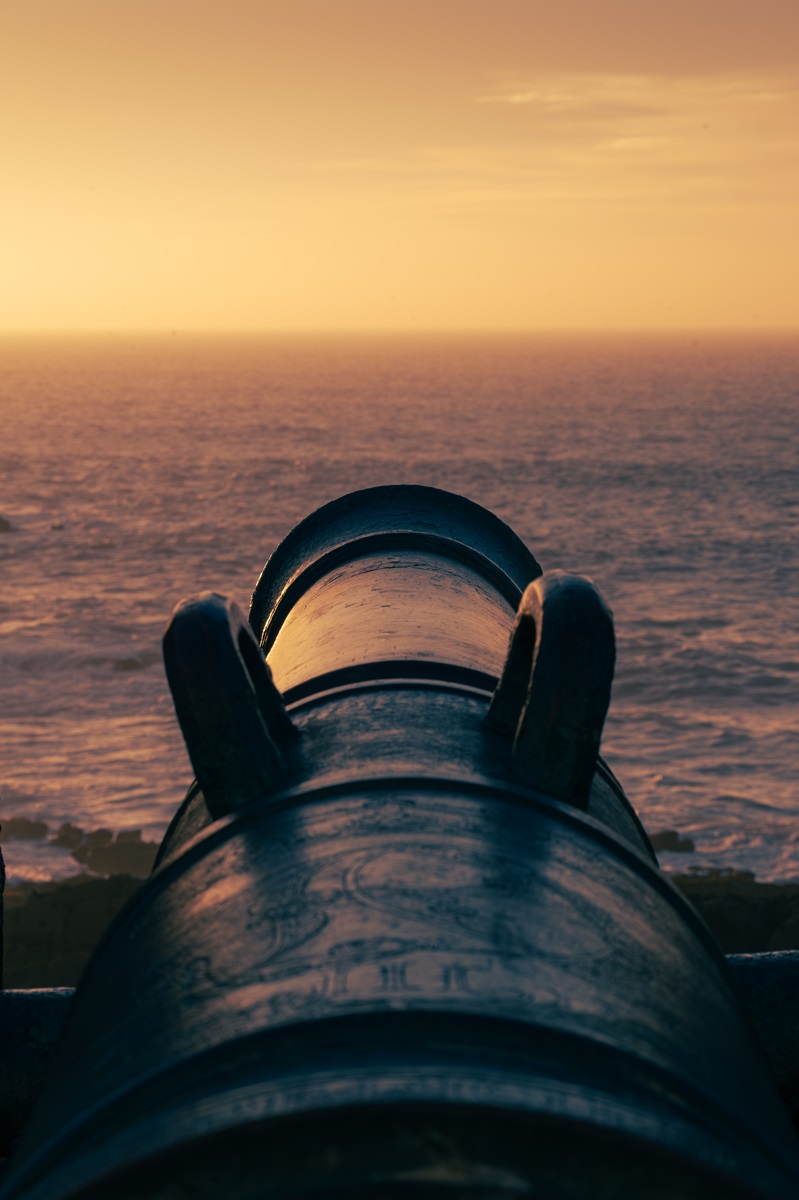
This beautiful Moroccan city was by far the most photogenic of our entire trip. Essaouira is a fortified Atlantic coastal town with the most stupendous views (see pictures below). It was also yet another destination used in filming Game of Thrones, which has made it even more popular in recent years.
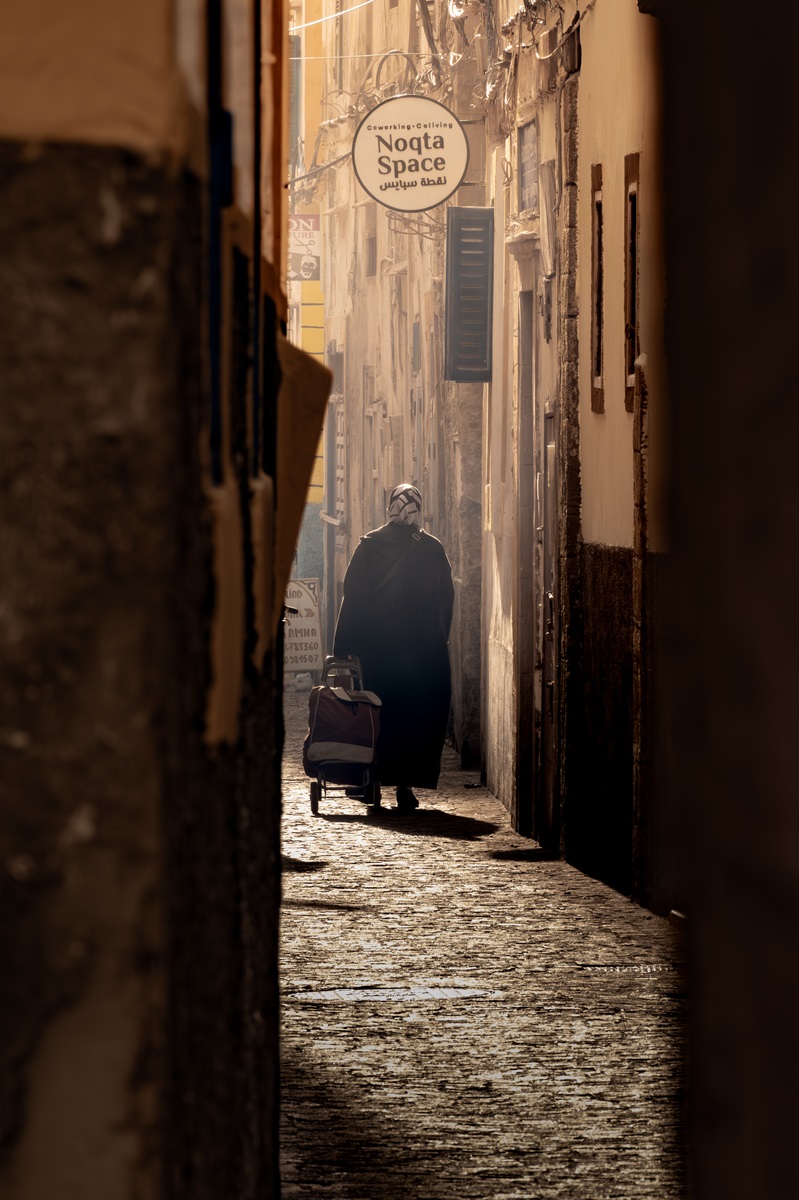
Historically known as Mogador, Essaouira is also a beach destination, popular for horse riding and windsurfers. The beaches are accompanied by an indisputably whimsical medina, that weaves and twists between several main corridors, packed with ladies cooking bread (the most affordable breakfast you’ll get), minute restaurants and fruit stalls.
There is enough to keep you busy here for a few days, but it’s the remarkable sunsets along the beach front that stay with me the longest and make me want to return. Whether it’s the ocean crashing into the myriad of rocks, the massive ramparts glowing in the setting sun, the bustling fish market or daybreak in the medina, the entire city of Essaouira is one the most camera-friendly, photogenic places I’ve ever visited.
Population: 79,000
Best combined with: Marrakech, Agadir, Taghazout
Great for: photography, sunsets, beach excursions, restaurants
Number of days: 2-3
◊
Our Essaouira hotel recs: there are so many wonderful riads in Essaouira, but I think we found the best one!
We stayed in the small, but perfect Riad Dar Awil, situated in an ideal position between the square, the public parking and city walls. The breakfast was exquisite and the rooms some of the most comfortable we’ve had in Morocco (our room even had its own balcony and multiple external windows – a rarity in Moroccan riads).
If our recommendation is booked up (it sells out quick), we’d recommend an alternative stay in Le Palazzo. This is the ideal property if you’re looking for a more contemporary room, but still in the old town. It’s beautiful.
◊
14. Tinghir
The beautiful city of Tinghir is rarely mentioned unless it’s alongside its well-known neighbour, the Todra Gorge. This overshadowing means few people travel further or stay longer than necessary in the area. However, we think this region has some of the prettiest road trip routes and passes in the entire of Morocco – just travelling either north or south from Tinghir itself will reap some seriously scenic rewards. The actual city is also outrageously scenic – I arrived and was surprised by how few mentions it has had throughout my (admittedly minimal) research.
Tinghir itself is an oasis, with a vast palm grove running through the centre, edged by ruined stacks of mudbrick villages suspended precariously on either side. Take a wander through the palms along the river, with the rust-coloured cliffs peering down – I challenge anyone to say that this is not one of Morocco’s most beautiful spots.
Tinghir also has plenty of amazing viewpoints outside the city centre, just to add to the beauty. Definitely try to pop up anywhere high at sunset (having a car helps enormously in this region). Next time we visit Morocco, we’re going to spend a week in Tinghir (we spent three days on our previous trip).
Population: 37,000
Best combined with: Ouarzazate, Marrakech, Merzouga
Great for: mudbrick buildings, scenic drives, hiking
Nearby sights: Imilchil, Todra Gorge, Dades Gorge, Jebel Saghro
Number of days: 1-3 (we think it’s worth a week!)
◊
Our Tinghir hotel recs: we stayed in Auberge Camping Atlas, situated in a lovely location between Tinghir and the Todra Gorge, which was part guesthouse, part campsite, right on the river enclosed by palms. It was genuinely scenic.
Our room had enormous opening windows with views of the red cliff faces opposite, where we sat watching men getting dates out of the palm trees. The price point was also excellent, as were the owners. The hotel also has a really nice pool!
◊

15. Imlil
This is less of a city and more of a small village, but it deserves to be on this list of most beautiful cities in Morocco because, well, it’s stunning. Sat at the foot of Jebel Toubkal, Morocco’s highest mountain with a summit of 4,167 metres, Imlil spreads sparsely across a tight, steep valley, delivering views from every perspective. The narrow valley is particularly noteworthy during call to prayer, when the multiple mosques echo around the mountains. The village itself sits at around 1,800 metres above sea level and is particular pretty in fall as the leaves start to change.
Be aware that it is often cold at night and many guesthouses do not have heating. Also, for visitors interested in hardcore hiking, Imlil is the base for the overnight trek to Toubkal’s summit (only permitted with a guide).
The earthquake in September 2023 had a severe impact on the region surrounding Imlil, which will take years to rebuild. The town is open and accepting visitors, but the epicenter, near Asni, is a town you must pass through to reach Imlil. There were tent camps and destroyed buildings everywhere when we visited – be sensitive and don’t take photos.
Population: 5000
Best combined with: Ouirgane, Taroudant, Marrakech
Great for: hiking, mountain climbing, scenery, pretty drives
Nearby sights: Toubkal, Cascade Imlil, Ouirgane
Number of days: 1-3 (depending on your hiking enthusiasm)
◊
Our Imlil hotel recs: there are lots of hiking lodge type accommodations in Imlil – we chose Atlas Prestige.
It had exceptionally good panoramic views from all the terraces, mostly warm water and moderately adequate heating (not very warm, but enough not to freeze). It was located just around the corner from a view of Toubkal and a short walk from the nearby falls.
Many of the hiking lodges seem pretty similar around Imlil, so I’d choose the one with the warmest water and best heating, unless you’re visiting in the height of summer!
◊

Map – Morocco’s Most Beautiful Cities
Below is a savable Google Map of all the cities we write about above, plus any extra locations mentioned – select the star next to the title to save it.
Getting to Morocco
Morocco has a lot of international airports! Many tourists arrive into Marrakech by air, however Rabat, Tangier, Fes, Casablanca, Agadir and more all have international flight options as well.
These alternative cities can be particularly affordable if flying with budget airlines, like Ryanair, from Europe and the United Kingdom. Have a look at Skyscanner for flight options from your home city by using just ‘Morocco’ as a destination.
Also, consider booking a flight into one city and out of another, then journeying between the two. On our recent trip, we flew to Marrakech and left from Rabat, which was an excellent choice.
There are also ferries from mainland Europe, including Italy and Spain. Check Direct Ferries for route options. We love getting ferries, and even took one from Sicily to Tunisia last year. If flying to Spain or Italy is considerably cheaper from your home destination, look into getting a ferry to Morocco instead.

How to Get Around Morocco
Getting around Morocco is really easy. There are plenty of options, including rental cars, buses and trains. Some people even cycle or motorbike (getting your motorbike shipped over is a popular option with Europeans).
Self-driving | travelling by rental car is *by far* the simplest and most flexible way to get around Morocco. The country’s drivers are the politest in the world and it’s the easiest place we’ve ever driven (way nicer than the UK, USA or Italy, for example).
Parking in Morocco is also straightforward, road signs are in English and self-driving is way more affordable than getting a private driver. We found the best sights in Morocco are actually out of the cities – so rent a car if you can! For more detailed information, check out our driving in Morocco guide.
Public transport | this is decent in Morocco. There are buses and trains that service pretty much everywhere. Trains connect many of the major cities in Morocco, for example, we took a very pleasant train from Marrakech to Casablanca, then onto Rabat. To check for train tickets online, have a look at ONCF (we found the website to be temperamental though and just booked tickets at the station when we arrived).
Some longer journeys sell out a day or two in advance (for us, Marrakech to Casablanca was full on our journey), but most shorter trips can be bought on the day.
Local transport | we also used city trams and local buses across the country. They’re super affordable, regular and safe. It’s easiest to ask your accommodation for local advice if you need to know where a bus stop is.
Google Maps is also excellent for bus route planning in Morocco. Select a bus stop on the map and it says which buses pass through – you can then select the bus itself which shows the route. We’ve used this function a lot and it’s surprisingly accurate in Morocco.
Tours in Morocco
If you are visiting Morocco without a car, on a time-sensitive schedule or just like to have things organised in advance, consider booking a tour through Get Your Guide.
There are food tours, multi-day desert tours, city tours, combo tours and more, which can help you fit more in to your trip, if that’s your style.
Have We Helped You Plan a Trip to Morocco’s Cities?
If you’ve found our free content helpful, consider booking your rental car (if you need one!), through the company we always use – Discover Cars. They’re the absolute best and have been our rental companion (and savior, thanks to their insurance) in many destinations across the world.
Also, consider booking you accommodation through Booking.com – we use them exclusively when travelling in North Africa.
Help like this makes it easier to pay for the upkeep of this site. Thank you!
–
Final Thoughts – Beautiful Cities in Morocco
Morocco is undoubtedly hoarding the beautiful cities of the world. Rarely have we visited a country with so many outstanding urban(ish) centres with such captivating scenery, history and diversity.
The media often portrays Morocco as just ornamental doors, mudbrick buildings, tagines and tightly crammed markets, but the country is so much more than that. Our trip was six weeks long, and in that time, we felt we travelled so much further than we had; the diversity was dramatic. I didn’t arrive with particularly high hopes (for some reason), and Morocco knocked it right out of the park.
Even if you do not consider yourself a city person, Morocco’s population centres might surprise you, so give them a go.
Also, as a quick endnote, we loved Casablanca (and its omission from this ‘beautiful cities’ list was a hard decision). It was one of our favourite cities in Morocco. However, most people do not class it as beautiful (and often outright dislike it). We found it sort of gritty, but not in an unsafe way. Casablanca was less touristy, less enhanced and gentrified than all other cities we visited. It was definitely beautiful, though, and the King Hassan Mosque is breathtaking. We walked across the old town, several times, and found it to be one of the most fascinating places we visited in Morocco. So, if it’s possible to include it on your itinerary, we’d recommend it!
If you’re a first time visitor, consider checking out our 29 essential Morocco travel tips, it’s a great introduction to the country. For more inspiration, take a look at our 12 favourite historical landmarks in Morocco. If you are in the midst of planning, have a look at our complete Morocco budget to see how much we spent!
Have a fantastic trip to Morocco!
Hi, thanks for visiting our blog! If this post has been of help to you, or you’ve just enjoyed our random ramblings and musings, say thank you by buying us a coffee! It helps keep The Restless Beans blog up and running.
Thank you, Claire + Nick


I’m shoked taroudant in the lis of top15 beautiful cites in morocco,but i’m proud of my cites ❤😂
I’m live in taroudant for 15 year .my english is not good👀