

· MIDDLE EAST · SAUDI ARABIA ·
A Guide to Driving in Saudi Arabia: Is it as Bad as They Say?
Scribbled by Claire ⬩ 15 Aug 2025
Are you planning a trip to Saudi Arabia and wondering how to get around (or heard the rumours about driving there being a nightmare?). If so, keep reading because we’ve covered everything that you’ll need to know – from bad drivers, safety, car rental drama, weird rules nobody knows, types of car, costs, and most of all, why we think it is an excellent idea!

I am so pleased with our decision to explore Saudi Arabia with a rental car. You see, it’s a *gargantuan* place, with precious little public transport, and traversing the country in any meaningful way without our own wheels would have been long and tedious.
So, we chose to rent a car for our trips to the Kingdom. In fact, we’ve rented four cars in Saudi Arabia over several trips, which lasted more than six weeks and covered over 8000 kilometres.
On our first visit I was optimistic – we’d driven for thousands of kilometres around neighbouring Oman, the UAE and Jordan (and subsequently Qatar), so I thought – surely driving in Saudi Arabia won’t be that different?
Well, it’s not *that* different, but there’s also something uniquely, chaotically Saudi that is distinct from the surrounding countries. This means there are heaps of niche, handy things to know that will make your trip go way more smoothly – like driving culture, rental company tips, and etiquette.
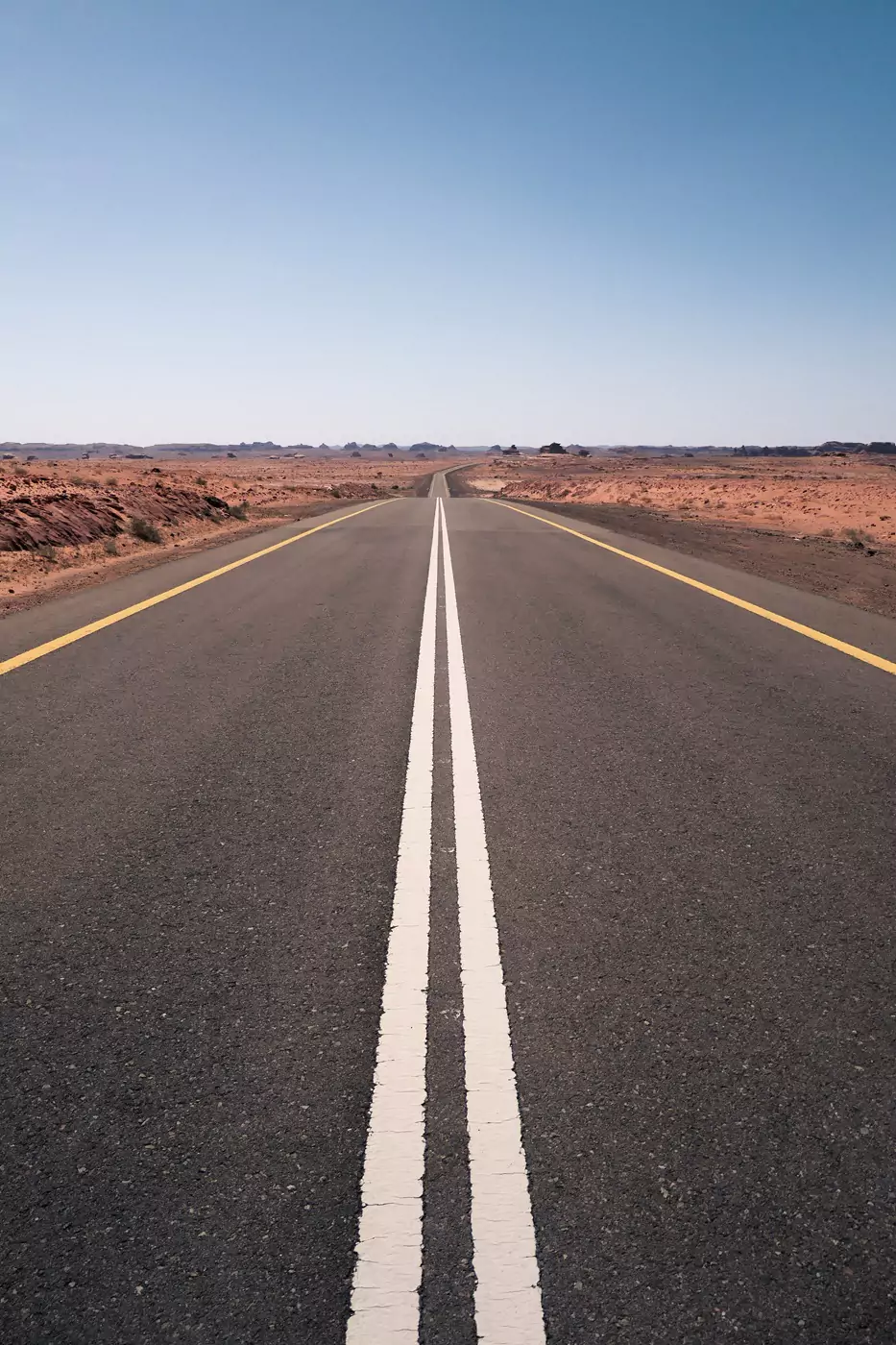
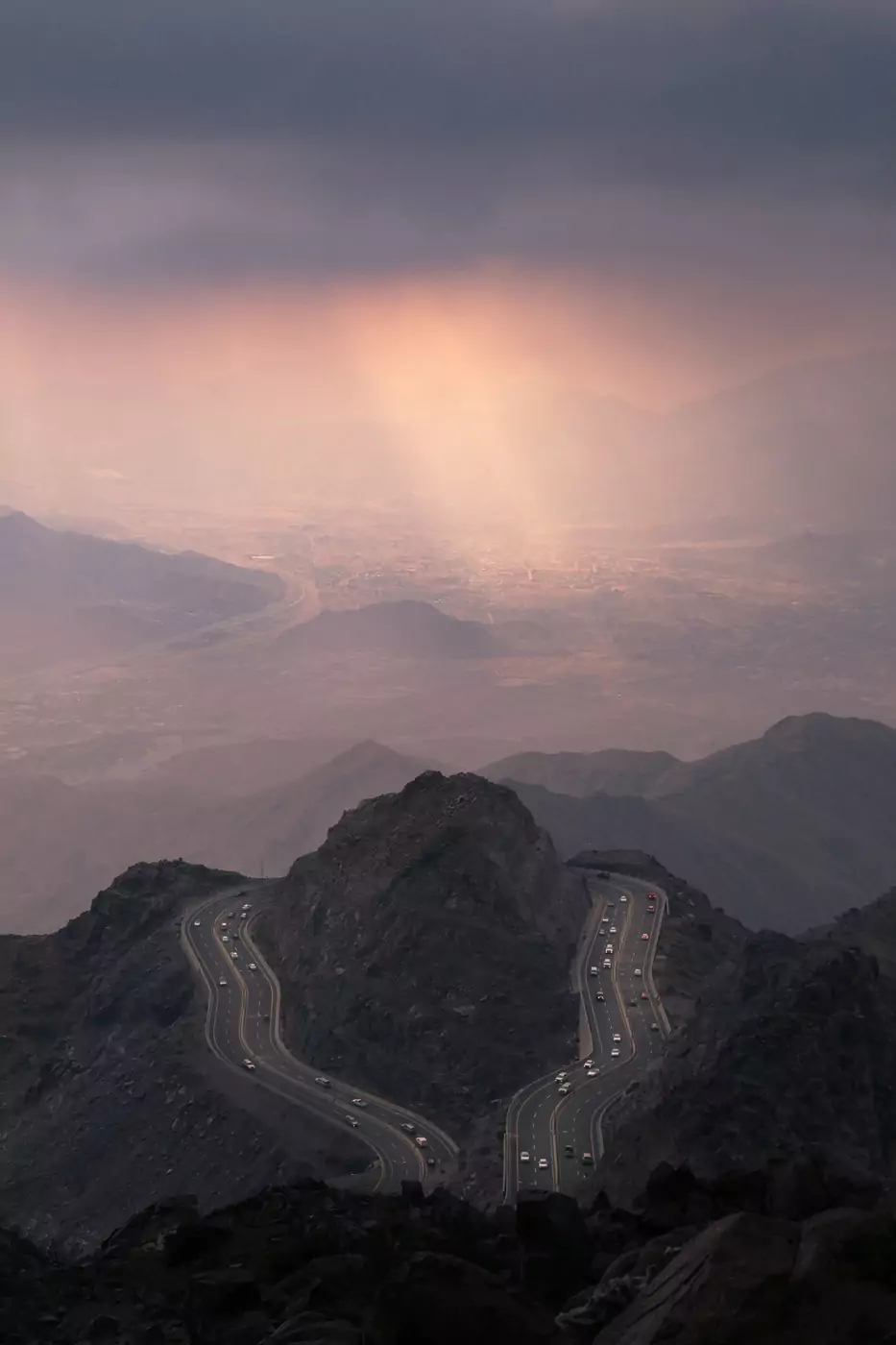
Our journeys took us through Saudi Arabia’s mega cities of Riyadh and Jeddah, ancient hillside ruins of Thee Ain and Rijal Almaa, and the rust-coloured, heat-hazed deserts of Tabuk. These places involved driving in a sea of white SUVs on busy highways, through the thickest fog we’ve ever seen along precipitous, snowy mountain routes, to the rims of volcanic craters, and everything in between. It was incredible.
We’re writing this post due to the crazy number of questions we’ve had about how bad the driving is there (I’m not going to sugar-coat things, it’s not the best)! We have heard so many concerns but, realistically, driving around Saudi Arabia is easily the most efficient option, and also the most fun!
Renting a car turned out to be the best plan and we didn’t have any regrets – it’s not as bad as they say!
IN THIS GUIDE //
The Saudi Driving Reputation
Benefits of Renting a Car
Is it Safe to Drive in Saudi Arabia?
– Safety Tips
Are Women Allowed to Drive in Saudi Arabia?
Things to Know When Renting a Car
– Costs
– Licenses
– Car Types
– Mileage Limits
– Language Barriers
– Rental Insurance
Our Rental Experiences
Rules and Regulations
Driving Etiquette
Gas Stations and Refueling
Parking
Where to Next?
This post may contain affiliate links. If you book through these links we may make a small commission at zero cost to you. It helps us pay for the upkeep of this blog. Thank you!
Benefits of Renting a Car
⬩ The journey – Saudi Arabia’s driving distances are huge (it covers more than two million square kilometres) – definitely big enough to fly. However, the journeys enhanced our experience, beyond the usual tourist spots, and we’re glad we didn’t fly.
⬩ Public transport – it’s kind of not really a thing in most places. Uber exists, inter-city SAPTCO buses are a thing, and Riyadh has its new city metro, but other than that, it’s pretty non-existent.
⬩ Driving is fun – personally, we enjoy figuring out how each country operates on the road – it’s something you just don’t get to understand if you haven’t navigated through it yourself.
⬩ Parking – this is pretty much easy everywhere. We found we could rock up to places in congested Riyadh and find spots to stick the car for free (there are a few exceptions!).
⬩ Flexible – by self-driving you can go where you want, when you want without planning anything.
⬩ Affordable – it’s not particularly expensive to rent a car (under 80 SAR (£16) a day, if you book in advance), and gas is very reasonable at 2.18 SAR (£0.45) per litre.
⬩ You can reach super beautiful places that would otherwise be tricky without a driver, like Wadi Disah, Thee Ain and the Al Wa’bah Crater.

Is it Safe to Drive in Saudi Arabia?
Yes, we think it is safe to drive in Saudi Arabia (otherwise we wouldn’t do it). However, it’s a curious country, with a bit of a dodgy reputation for their drivers, and people worry (understandably) about road safety.
So, to get into the stats – Saudi Arabia doesn’t have the best road safety record:
⬩ per 100,000 people there are 18 road fatalities. In comparison, the UK has 2.6 per 100,000 and the United States has 14 per 100,000.
On a positive note, the general trajectory is good, with road fatalities reducing by 35 percent in just five years (between 2016 and 2021). Interestingly, it was in the middle of this period that women were first allowed to drive – so that would be a curious connection (women tend to be lesser risk takers than men on the road).
Another positive is that there are almost no drink-driving related issues, because alcohol is illegal in Saudi Arabia.
Safety Tips
These accident figures are definitely not the best, but there are lots of things you can do to reduce your risk:
⬩ Avoid driving on Friday evenings and later afternoons. If you visit during Ramadan, then avoid being on the roads around sundown. These times have a far higher risk of an incident.
⬩ Don’t speed. I know everyone else does, but you don’t need to. Relative velocity is a thing, too – if you are in a head-on collision, your speed is added to the speed of the oncoming vehicle. Go slower and reduce the risk.
⬩ Wear your seatbelt. We saw many people not wearing them, which makes their chances of being part of the above statistics much more likely.
⬩ Distances between places are sometimes unavoidably far in Saudi Arabia, so take breaks as often as possible. Also, don’t schedule in a drive you won’t be able to do. Our longest driving day was more than twelve hours, and it was exhausting.
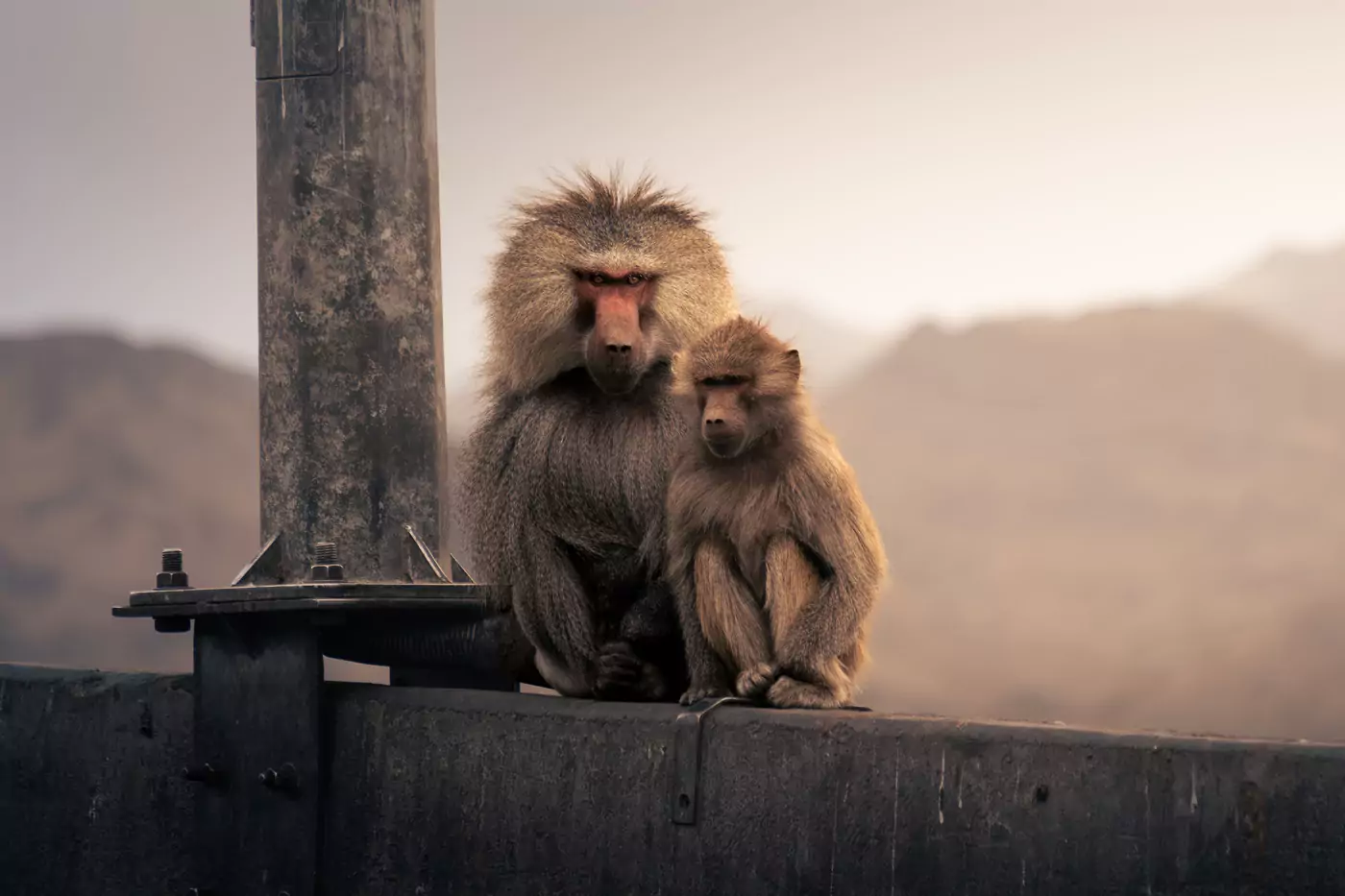
⬩ Avoid driving at night in rural areas, because sometimes people don’t use their lights (we saw this way more times than we should have) and there can be animals on the road (camels are huge and can destroy a car, and large monkeys are everywhere in the mountains).
⬩ Keep your eyes on your rear-view mirror, because people love to tailgate and stopping distances are just a myth in Saudi.
⬩ Be hyper vigilant in inclement weather. We drove in the most extreme fog, slippery snow, extremely heavy rain, and small sand storms (we drove in a huge sandstorm in Jordan so know how terrifying they are). Just stop if it gets scary. We had to stop in the fog around Al Bahah because it was literally impossible to see past our car window (I’ve never experienced anything like it before, or since).

Are Women Allowed to Drive in Saudi Arabia?
Yes, women have been able to drive in Saudi Arabia since 2018, when the laws regarding women were changed. We saw loads of women driving, especially in the big cities, like Dammam, Riyadh and Jeddah. One of them even swore at us when she cut us off in traffic near a shopping mall!
Foreign women are also allowed to rent a vehicle alone.

Things to Know When Renting a Car
Our experience is based on us renting four cars: two in Riyadh and two in Dammam (and a bonus one in Tabuk due to some unforeseen circumstances which we’ll write about later).
Four of the cars were through our usual company, Discover Cars, and the rental process for all of these were smooth (read about why we love them). The fifth car was rented through a local company due to some visa drama (another curio that we’ll explain below), but they tried to cheat us about some damage that we definitely didn’t do (even after we paid extra for their insurance), so we’d recommend, wherever possible, sticking with a well-known rental company that offers reliable insurance.
The cars we received were decent, high quality vehicles – reasonably new and appeared to be well-maintained. Automatic transmissions are the norm in Saudi Arabia.
How Much is Car Rental?
Car rental in Saudi Arabia is reasonably affordable. Depending on the season, type of car and pick-up location, you can expect to pay from 80 SAR (£16) per day. Higher season prices are during the cooler months around winter.
Browse through a broker like Discover Cars to find the best offers (this is who we use every time because they have the best insurance and competitive prices).
For our average sedan-style cars, we paid around 112 SAR (£22) per day. For a larger car with some off-road capability, we paid 356 SAR (£70) per day, both through Discover Cars during high season.
On top of that, we paid a daily insurance fee of 41 SAR (£8) which meant we didn’t need to worry about somebody backing into us in a car park.
What Licenses do You Need?
To rent a car in Saudi Arabia, you’ll need your full home driving license. We’d also recommend having a 1968 International Driving Permit (IDP) (although we were never asked for one) in case you have an accident (without it, your insurance could be invalid) or are asked for it by the police.
You’ll also need your passport and a credit card in the driver’s name. Debit cards are not usually allowed as a form of payment when renting a car.
While the legal age to drive in Saudi Arabia is 18, you’ll usually have to be over 21 to rent a car, even if you’ve had your license for more than a year. Depending on the car rental company, different categories of cars may have a further minimum driver’s age of 23 or even 25 years old.
There are maximum driving age limits, too, so check the details of your rental agreement carefully. Typically anyone aged over 65 can’t rent a car in Saudi Arabia.

One-way Rentals
One-way rentals are great in Saudi Arabia because the distances are just so huge that it doesn’t always make sense to return to your starting point, thousands of kilometres away!
We’ve done a few one-way options, and they’ve always been really convenient. For example, we picked up in Dammam (because loads of cheap flights land here from Europe and the Middle East) and dropped off in Riyadh.
There is usually a charge for one way drop-off, which can cost around 280 SAR (around £55).
Do You Need a Four-Wheel Drive?
No, you do not need a four-wheel drive car to get around Saudi Arabia. The roads are generally good quality and paved. Even the really steep mountain roads in the south don’t necessitate a four-wheel drive (mostly).
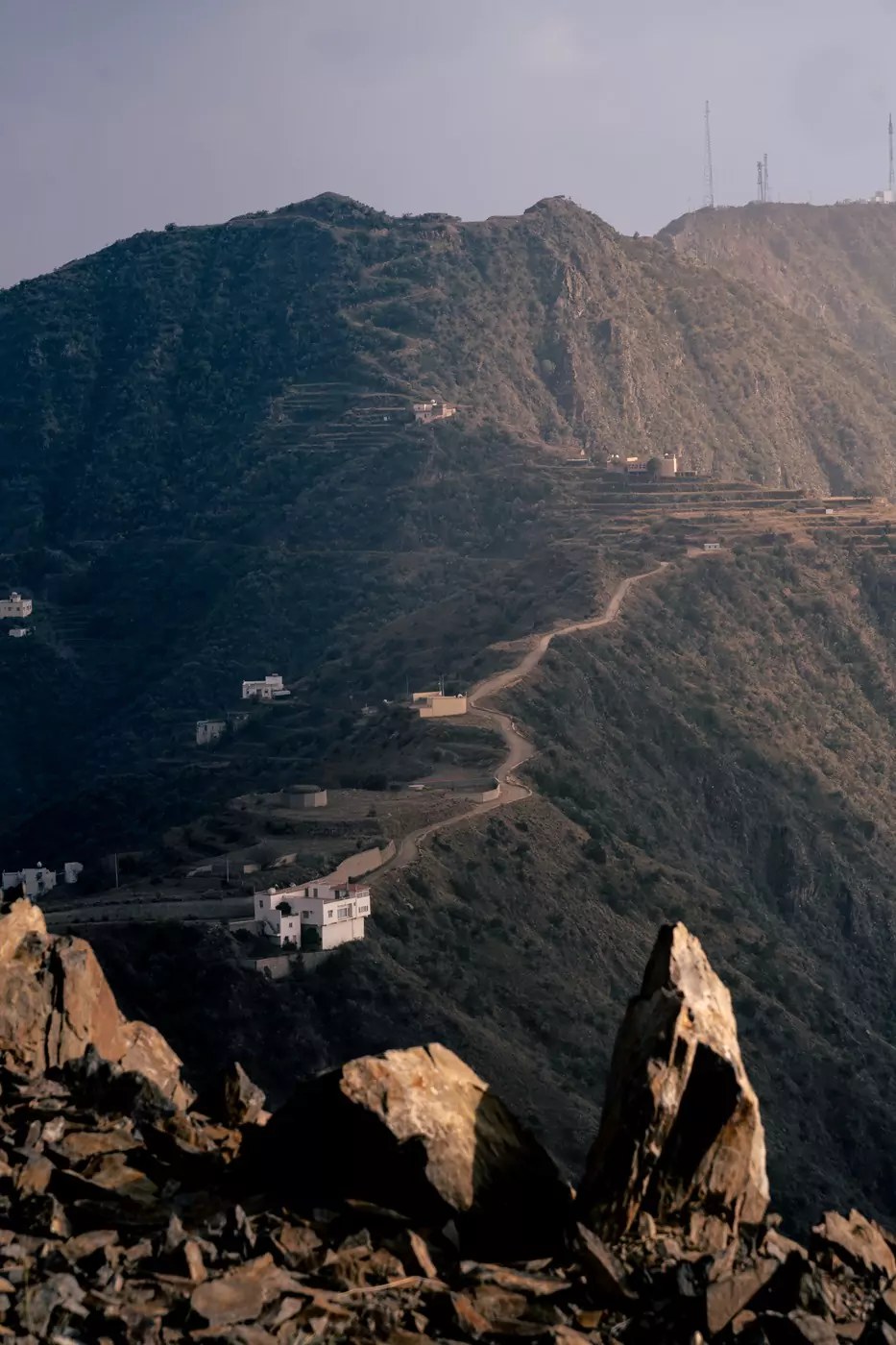
However, there are a few places where having a four-wheel drive vehicle would be advantageous for a tourist visiting Saudi. These include Wadi Disah, Edge of the World (Tuwaiq Escarpment), Wadi Lajab, and some of the more sand dunes-y areas. There are also some sketchy spots in the Asir Mountains near Abha (we went a bit rogue there and drove down some seriously rough, unpaved roads).
However, these are just a few niche spots, and you can easily get a driver to take you out to them, instead of renting a 4WD for the entire time.

Mileage Limits
It’s common for Saudi Arabia rental companies to charge a surplus above a certain number of kilometres per day. Often, this number is 250 kilometres, which you can very easily exceed when driving across the country. The surcharge usually costs around 0.35 SAR (£0.07) per extra kilometre, so it can quickly add up on a long road trip.
For us, we’ve never actually been billed for any of our mileage surcharges! One time, we even went thousands of kilometres over and were not charged for anything extra, so maybe you’ll get lucky?
Language Barriers
We found that few people could speak English at the rental companies we used. The exception to this was in Riyadh, where the guys were really professional and spoke amazing English.
Elsewhere, we struggled quite a lot, especially when we had an issue with the car (will talk about this further down).
It’s not that we expect anyone to speak English, but it’s just worth noting that having Google Translate ready may help. It was definitely one of the harder places to communicate out of all the countries we’ve rented vehicles in.

Rental Insurance
In Saudi Arabia, we joked, incessantly, about how many cars had some kind of ‘dink’ or cosmetic damage – like a damaged wing mirror, a squashed bonnet or a crunched-up taillight.
It was just hilarious (or concerning?) how few cars were undamaged (we ended up playing a driving game where we’d try to spot an intact, pristine car!).
It’s interesting, because in Saudi Arabia, you apparently have to obtain an accident report to get any collision damage repaired, so I wonder if lots of people just don’t own up to an accident and end up driving smashed up cars?
So, anyway, you could leave your car on the street or in a car park and somebody could drive into you and drive off (and seemingly never fix the dink on their own car).
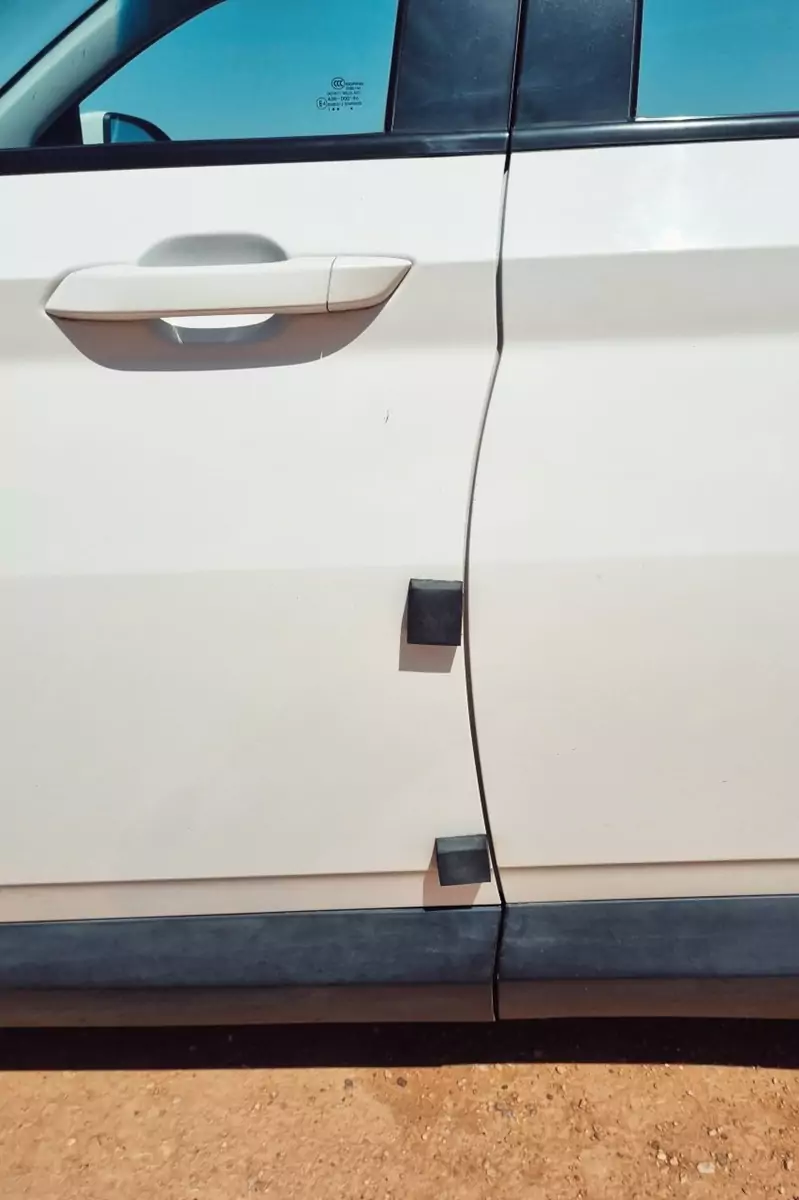
Also, loads of cars have those chunky square rubber bits on their doors (every one of our rentals did). I guess it is to stop them from getting damaged when people inevitably slam their car doors into walls or other cars? I’ve never seen them so prolifically used in any other country, which is interesting too.
I guess what I’m saying is that we would urge you to get the insurance through whoever you choose to use. We’ve never said this on any other driving guide we’ve written, but in Saudi Arabia, we would go beyond recommending it, and almost insist on it!
We always use the insurance through Discover Cars, and they’ve paid out really quickly on every claim we made (even some very expensive ones), plus they’re super easy to work with.
Daily insurance in Saudi Arabia costs around 40 SAR (~£8).


Our Car Rental Experiences
Generally, we have had no major issues with our car rentals in Saudi, but there were a few odd moments.
Below are a few noteworthy ones:
Our Car Broke Down
All of our cars were quality vehicles, but we did have one break down in Al Ula, which is not the most ideal place since it’s a billion miles away from anywhere. The car was reasonably new, so I think we were just unlucky (and we’d already driven it thousands of kilometres). It just wouldn’t start – like the ignition went wrong somewhere (can you tell that I’m no mechanic?).
We were so fortunate because our hotel spoke to the car rental company on our behalf, which was lucky since there was zero English and my Arabic is definitely not strong enough to hold a conversation with someone about a broken car.
They also called their friends to help get our car started so we could drive it to a bigger town (Tabuk) and return it back to a branch of the rental company (it was a bit strange because the company really didn’t want to send someone out to come and get it?). We had to drive the entire way without stopping the engine in case it wouldn’t start again!
When we returned it, trying to explain the situation was pretty difficult, even though we had already called them, and it took a fair whack of time. We have found that the car rental staff can be a bit gruff or surly, verging on rude, if you have an issue (although we may be misinterpreting that – there’s a big language barrier). It’s a bit contrary because, in general, Saudi people who we met were super open, friendly, and spoke amazing English.
Renting Two Cars on the Same Day
We returned a car to pick up a different one (we were swapping our sedan for a four-wheel drive) from the same international rental company in Riyadh.
It turns out that in Saudi Arabia, you can’t do that (at least with the international car rental companies). There is an authorisation code, or something, that car rentals need to rent you a vehicle, and you can’t get two in one 24 hours period (or something – this is how it was explained to us).
So, we had to go back 24 hours after returning our first car to pick up our second (so bear that in mind if you ever intend to switch car).
Visa Passport Mismatch
This is a bit of a niche issue, but if you come into Saudi on your visa but have since got a new passport, the car rental company may have a problem generating the authorisation code we mentioned above for you.
So, as our visas and passports had a mismatch (we replaced our passports during the one-year visa period), the international companies were not allowed to rent a car to us (even though immigration were fine with us), and we had to go with a local company that followed different rules.
It was a whole mess and the car rental staff (in Dammam) were super unhelpful and kept telling us different reasons (apparently their ‘system was down’, a lot, even though it wasn’t), and I ended up sleeping on the floor of Dammam’s airport for a good few hours while it (didn’t) get resolved.
We got to know the lovely people in the Dammam Airport immigration office very well that day, though (while the rental people kept telling us that our visas were invalid)!


CAR HIRE FOR YOUR SAUDI ARABIA TRIP
We always rent our vehicles all over the world, including our recent trips in Thailand, Malaysia, Oman, Saudi Arabia, Tunisia, Jordan and Morocco, with Discover Cars. They’re often the most affordable, plus they paid out immediately on an insurance claim we made when our car took some heavy damage in Sicily. Find out why we fully recommend them.
–
TAKE A LOOK BELOW OR CHECK CAR RENTAL
Road Rules and Regulations
⬩ Side of road – right
⬩ Seatbelts are mandatory in the front seats for both driver and passenger
⬩ Children under ten are not allowed in the front seat and have to use a car seat
⬩ No mobile phone use while driving (cameras do check for this and you’ll be fined)
⬩ Obviously no drinking and driving
⬩ Hilariously, undertaking is illegal (in practice, though, it’s very common)
⬩ You can turn right on red as long as you stop first (and there’s no sign prohibiting it, or a specified lane for turning right)
⬩ Speed limits are usually well-signed (often only in Arabic), in our experience, but these are some general guidelines:
Urban areas: 40-80 km/hr
Rural areas: 80-90 km/hr
Highways: 100-120 km/hr
Expressway: up to 140 km/hr (it’s insanely fast, honestly, and people still speed a fair bit).
⬩ You cannot drive anywhere near Makkah if you are not a Muslim. There are signs everywhere telling you to turn off, and your visa explicitly states that it does not include access to the city. I know people have visited anyway in the past, but we wouldn’t recommend doing it because it’s just a bit disrespectful and not cool (unless you’re a Muslim, obviously).


Driving Etiquette and Tips
There are loads of useful things to know when driving on Saudi Arabia’s roads that will help keep you safe and make your life easier!
Below are all the things that we noted.
Speed Limit Signs
These are mostly written in Arabic (although sometimes they are in both Roman and Arabic), so it’s worth being able to read the numbers 0-9.
The numbers read from left to right and are structured exactly like in English, e.g., ‘1’ is ‘١’ and zero is ‘٠’. So, 100 is ١٠٠
One thing to remember is that a ‘0’ or ‘٥’ is actually a 5 in Arabic, so don’t get that confused when you’re driving (it’s easily done).
It’s really simple to quickly learn and recognise the speed limits!

Speed Cameras
I’m not lying when I say that there are literally millions of speed cameras in Saudi Arabia (it feels like there are more speed cameras than cars).
They are usually little brown boxes by the side of the road (so not towering, bright yellow and obvious, like in other countries). It seems like they are placed (intentionally) covertly to catch people out (which they do, often).
Loads of tourists report getting huge fines when returning their cars, so be extra careful and assume a camera is watching you (and don’t hold a phone while driving, either – people have been fined via camera for that, too).
Fines for speeding are pretty steep, ranging from 150 SAR (£30) to 2000 SAR (£395). If you run a red light, fines are even steeper at 3000 SAR (£590) to 6000 SAR (£1180).
We managed not to pick up any fines in either of our trips, but only because we’re crazy vigilant and don’t speed!
Flashing Lights
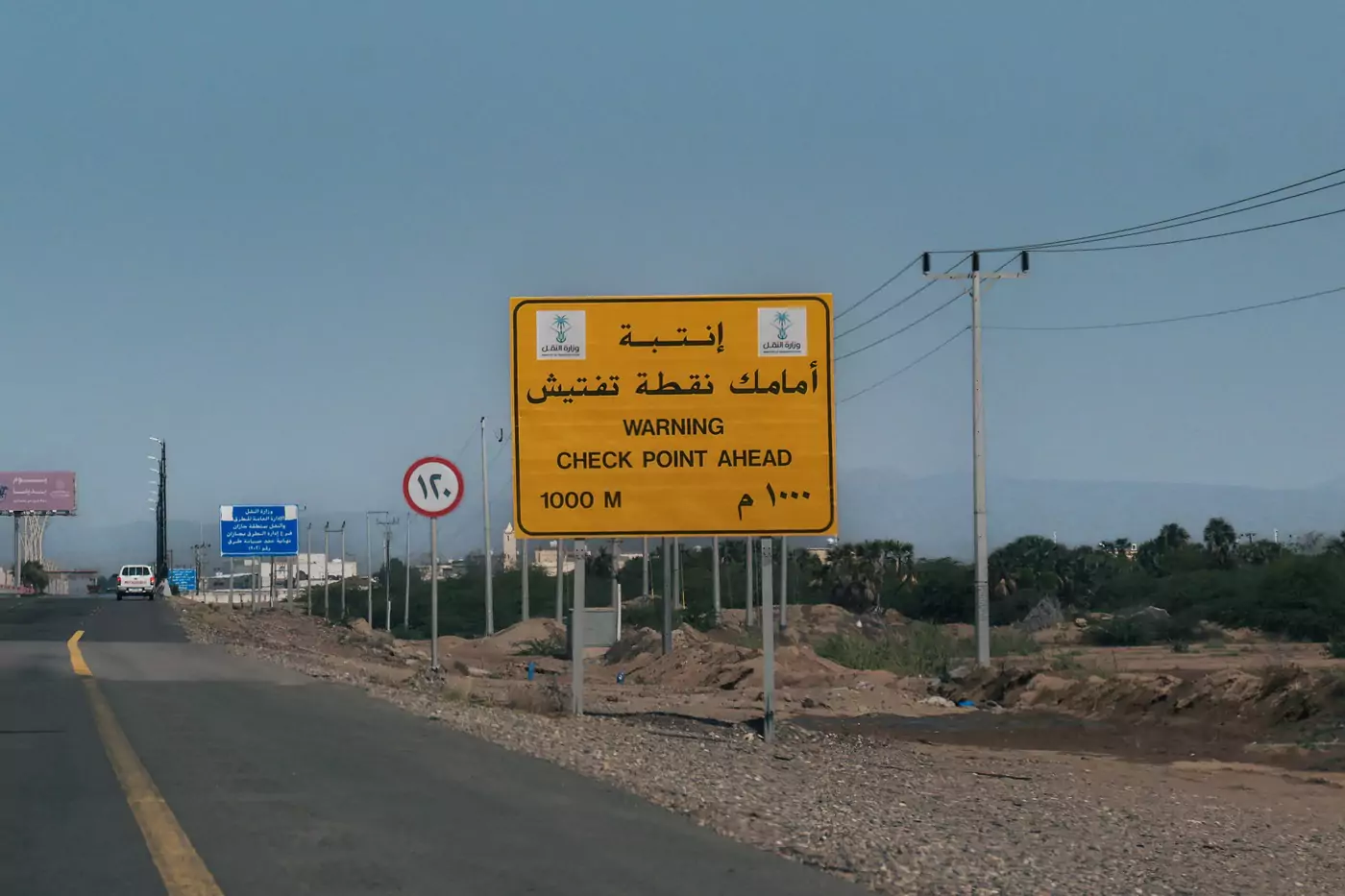
On the note of speed cameras, people flash their headlights *all the time* to let you know that there are speed cameras or police checkpoints. This flashing confused me for a while before I realised that it was just a standard warning for the millions of speed traps!
I mean, there are so many speed traps of various types absolutely everywhere that we always assumed that one would be around, so the incessant flashing wasn’t really needed, but it’s a super common thing to see.
We didn’t see a huge number of manned police checkpoints. We only got pulled over once at the top of Al Hada Mountain, Taif, and none of the police spoke English. It was hilarious because they couldn’t read our passports to tell where we were from and we had to explain using football teams – which worked a treat.
Also, sometimes, people would flash us and wave because we were obviously tourists, which is kind of funny and sweet (but also alarming if you don’t know why).

Bathrooms for Women
Some of the journeys in Saudi Arabia are long, so if you need a bathroom, then there are a few options. On the big, major highway-style roads, there are quite a few service stations with McDonalds and other fast-food restaurants which have bathrooms women can use. There are occasionally bathrooms in gas stations, but it’s not super common.
The women’s section of mosques have bathrooms and are the most prevalent option (every service stop has a mosque and there are loads of mosques everywhere), but remember to cover your head and dress appropriately if you choose to use them. They’re also not always particularly clean.
Definitely bring your own soap or hand sanitizer and toilet roll.
The bathrooms can be surprisingly grim, considering how rich and glitzy Saudi Arabia is!
Stick to the Hard Shoulder
This might sound like an obvious one, but on any single lane roads, we’d often stick to the hard shoulder as we were driving slower than many other people.
We mimicked the other slower vehicles in Saudi. So, get used to driving way over the solid white line unless you love speeding!
It’s definitely the normal thing to do there, from what we saw. Plus it stops people getting mad at you!
Navigation
We used Google Maps for the entirety of our trip.
It was efficient and we never got lost. You can also use Waze or Maps.Me and, as far as we are aware, they are all fine. It’s really not difficult to navigate around Saudi Arabia.
Call to Prayer and Ramadan
Remember that businesses sometimes shut at prayer times and consider that people have to fast during Ramadan. I know this sounds obvious, but I think when you spend a long day in the car it can slip from your mind. Always be aware, and sensitive.
In particular, don’t play loud music during call to prayer, speed past mosques, and be sensitive when eating or drinking in your car during Ramadan. (Although, we spoke to a few people when we visited during Ramadan and they didn’t care if we ate in front of them – ‘it’s our celebration, not yours’, is how they put it, in a kind way).
Congestion and Frustration
You’ll not see much congestion on Saudi Arabia’s roads outside of the major cities. However, traffic can get backed up for miles in them and everyone seems continually angry about it!
Cars will take shortcuts literally wherever they can. So, they’ll drive through construction sites when there’s a queue, they’ll go over central partitions to avoid traffic, and they’ll create new paths around traffic management infrastructure! We even followed a load of cars through some actual half constructed building site just to avoid some traffic light queues in southern Jeddah.
It was comical, but kind of shows how impatient the drivers are. Be aware that drivers will act out of frustration, a lot, and it’s not in your interest to reciprocate. (Plus, they’re probably on their way home from work, picking up their kids or going to an appointment – you’re on an awesome trip!).


Gas Stations and Refueling
Gas stations in Saudi Arabia are straightforward.
You can generally pay cash or card, and there is an attendant who will fill the car for you when you pull up. We never noticed a lack of staff during call to prayer, but be ready to wait a bit if you arrive at an inconvenient moment. During Ramadan, we were sometimes even given small gifts by the staff, like tissues and water!
On large highways, there are these huge service station complexes that usually have some shops, a Dunkin’ Donuts, McDonalds, other restaurants, a mosque, and spots to stop and rest. Smaller ones often just have a mosque (we never saw any gas station without a mosque).
They’re easy to locate on Google Maps, just search for ‘petrol station’. There are remote areas where gas stations are less frequent, but we never had any issues during our trips. Just make sure you check along your route before heading off on a lengthy drive.

Parking
Parking in Saudi Arabia is, in general, easy and we never had any problems finding places, even in central Riyadh and Jeddah (mostly).
Malls have enormous parking lots, and there are very affordable pay-parking meters on streets (like in Al Balad, in Jeddah, for example, which cost 3 SAR (£0.60) per hour and was free on Fridays).
One particular exception to this was along the Al Hamra Corniche area in Jeddah during the evenings, especially on a Friday. It was madness trying to get a car parking spot down there! Arrive super early.


HAS OUR FREE CONTENT HELPED YOU PLAN A SAUDI ROAD TRIP?
If you’ve found our content helpful, consider booking your rental car through the company we always use – Discover Cars. They’re the absolute best and have been our rental companion (and savior, thanks to their insurance) in many destinations across the world. Have a read about why we think they’re so amazing!
Also, consider booking your accommodation through Booking.com – we use them exclusively when travelling in the Middle East.
Help like this makes it easier to pay for the upkeep of this site. Thank you!
–
Where to Next?
Ok, so this post might not exactly be selling driving in Saudi Arabia, but that’s only because I’ve written about all the weirdest bits of our journeys and we’ve tried to provide a bit of honest reality. It’s actually very easy to drive there, and any small issues we had got resolved or were manageable.
About the Saudi drivers – they’re not all bad, and it’s definitely not like ‘Mad Max’, as another post inaccurately described it as. People love to blow things way out of proportion for a dramatic story, or apply their own ethnocentric views on another country’s driving.
Generally, we found Saudi Arabia really easy to drive in, and we didn’t find all the drivers crazy, either. There are unfortunately just enough people that give the country a bit of a reputation for arrogant, aggressive road behaviour (and apparently loads of people are rich there, so don’t care about fines).
This is similar to other countries with bad reputations, like the United States, for example. It has both drink-driving and aggressive driving problems, but that doesn’t mean you’ll definitely get hit by a drunk person if you drive there.
So, to summarise, we’d definitely recommend a road trip around Saudi Arabia for any sensible, confident, semi-experienced driver (I mean, we went back for a second trip and we wouldn’t have if it were awful!).
If you’re interested in driving in Saudi, have a look at some possible routes on our cross-country road trip itinerary below!

Hi, thanks for visiting our blog! If our free content has been of help to you, or you’ve just enjoyed our random ramblings and musings, say thank you by buying us a coffee! It helps keep The Restless Beans blog up and running.
Thank you, Claire + Nick




Saudi Arabia is really easy to drive. Well, after 30 years of driving in Russia, (and 50 in Texas) KSA’s drive is just another country. We did watch for the speed cameras and fortunately (plus I don’t speed by nature- I like to waste money on travel) missed any fines. As in Turkiye, some STOP signs are meaningless unless you need to stop. We even were waiting at a red light near Jeddah (we learned it is “jeed-dah”- both Ds are pronounced!) when a driver went thru at some 40 miles per hour. I decided to drive as the locals and pulled thru the red light as NO other car was near.
It was interesting to see animal-warning signs like baboons, ibex and camels. In Texas, we’re used to seeing mostly deer depicted on roadsigns (cows sometimes in Russia), so photographing the Saudi signs was a must!
Police are polite maybe if you are as well!! We stopped in a pullout on a mountain road near Taif where two other cars sat. They left as we were photographing from the mountain. The police drove up and photographed our license plate. He informed us it is a no parking area, and pointed to the sign depicting a slashed P!! We told him two others were there but had driven off. Explaining how we wanted a certain point for picture-taking, he said to follow him and he led us to the mountain spot a kilometre or so away. Near the airport returning the car, the rental office was impossible to find! GPS was having a bad day. . . We asked a policeman where the route was, he said “follow me”!
So for a good drive in the Kingdom, I suggest drive carefully, slower than usual, watch speed signs and obey. Ignore other’s driving habits as “they” are used to the country’s laws and ways and may seem agressive in their driving. Just enjoy the country and its kind people.