

Ipoh Street Art Guide: a Surprisingly Photogenic Ramble
Scribbled by Claire ⬩ 01 Aug 2025
Have you seen those cool images of all the outstanding street art in Ipoh, Malaysia? We spent a few days taking pictures and exploring the murals, and were so surprised at how photogenic the entire city is! The artwork is world class, the architecture is incredible, and the food, as you’d expect, is pure magic.
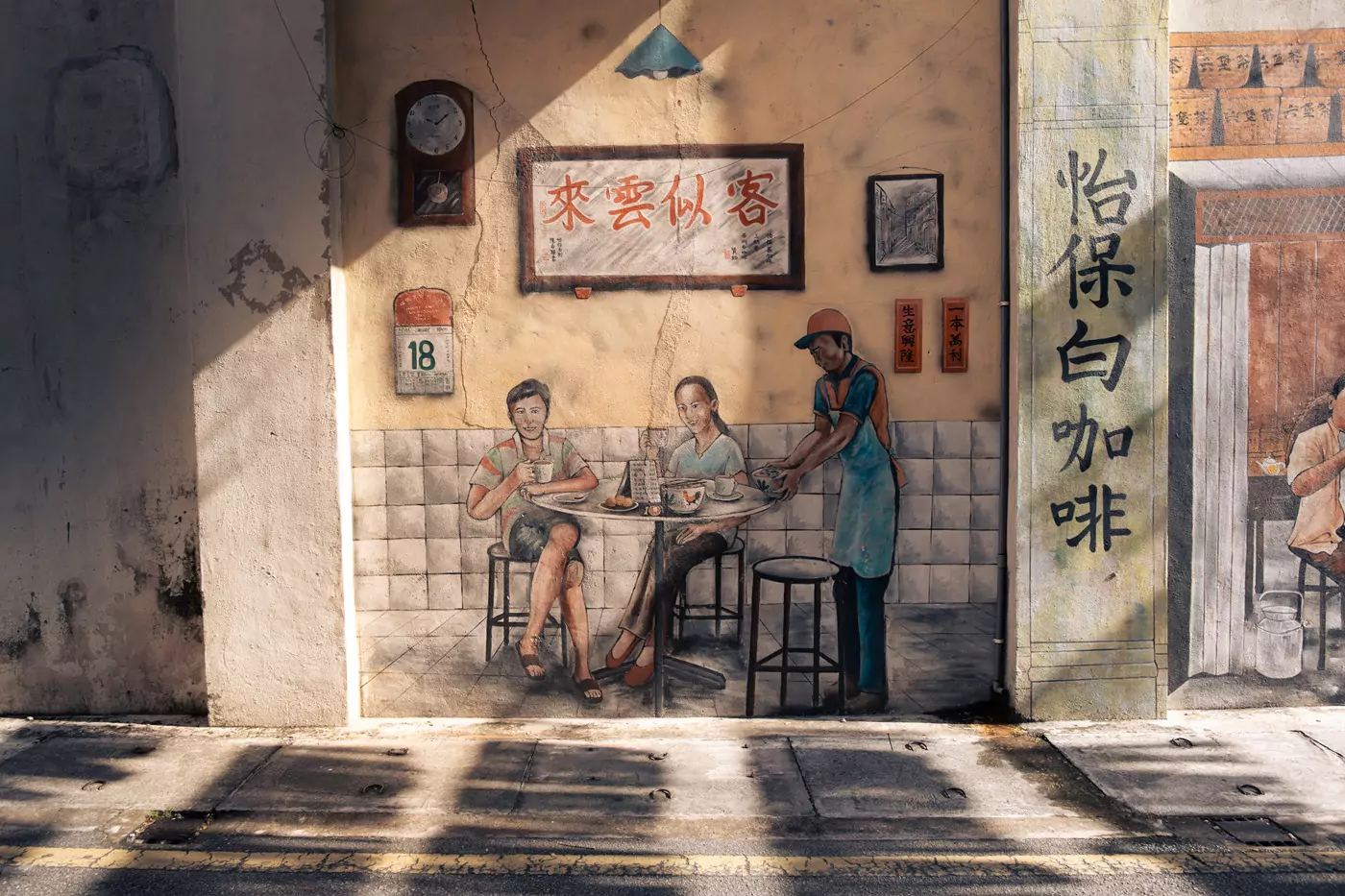
I didn’t know what to expect from Ipoh. We were visiting for a few days to break up the (admittedly short) train journey between Penang and Kuala Lumpur (the town is conveniently positioned directly between the two).
The only thing I really knew before I arrived in Ipoh was that it had street art, similar to the famous stuff dotted all over George Town in Penang, but way less well publicised. Now, if I’m honest, we’d just spent two weeks in Penang documenting all of the George Town art, and I didn’t exactly have high hopes that Ipoh would live up to that.
I figured it would only be a quick stop (I mainly needed to sleep because we were attending Thaipusam during the few days after, and I just can’t do back-to-back all-nighters anymore) and I was not prepared to be enthralled by the murals, but yet, I was!
The street art in Ipoh is easily just as noteworthy, if not more so, than in Penang, and the city’s vibe and architecture is really striking, too. I genuinely enjoyed it more than in George Town because most of the artwork is clustered in just a few specific locations and not so sporadically spread out – it packs more of a punch.
With far fewer visitors than Penang, Ipoh was a genuine pleasure to have a little photographic wander around – and now is one of my favourite Malaysian destinations to date.
So, below, we’ve included lots of photos of Ipoh’s street art, where to find it, some info on the artists, plus some general photography because it’s such a beautiful city! We hope it inspires you to check it out!
IN THIS GUIDE //
A Photography Walk in Ipoh
A Brief History of Ipoh
– Where Did Ipoh’s Street Art Come From?
Where to Find Ipoh’s Street art
– Mural Art’s Lane
– Concubine Lane
– Kong Heng Square
– Market Lane and Around
– Ipoh Heritage Walk
Ipoh’s Architecture
Where to Stay in Ipoh
What we Ate
Map of Ipoh’s Art (and more)
Where to Next?
This post may contain affiliate links. If you book through these links we may make a small commission at zero cost to you. It helps us pay for the upkeep of this blog. Thank you!
A Brief History of Ipoh and its Art
So, I rocked up in Ipoh with very little knowledge of the city, thinking it was a small little place with not much to do, but it turns out it’s the third largest city in Malaysia! I had clearly not done anywhere nearly enough research (as is my style).
Historically, it wasn’t always the sprawling, buzzing metropolis it is today. The great ‘tin-rush’ of 1880, where tin was discovered in the limestone peaks of the Kinta Valley, led to a huge influx in workers to this initially small town. A decade later, a huge fire, dubbed the ‘Great Fire of Ipoh’, destroyed over half of the town, but provided an opportunity to improve the infrastructure during reconstruction.
By the time a second tin-rush occurred in the 1920s, Ipoh had been rebuilt and, subsequently, the town thrived. By the 1970’s though, the tin deposits had run out and the mines were closed, leaving Ipoh heavily reliant on tourism as an income stream. (This could be why there are so many caves you can visit surrounding the town!).
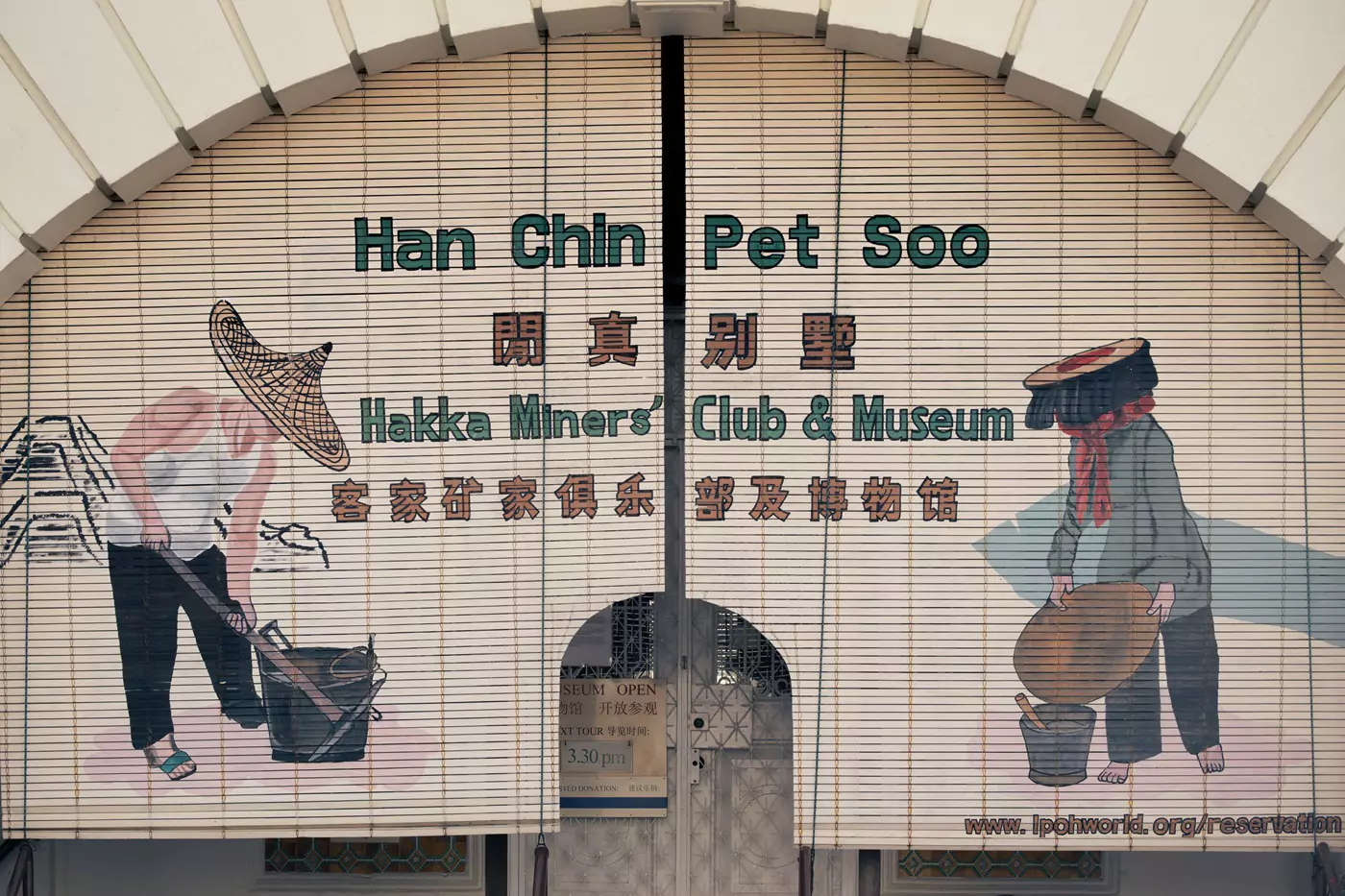
This heritage of tin mining is apparent in loads of the artwork around the city.

Where Did Ipoh’s Street Art Come From?
Ipoh saw the success that George Town, Penang, was having with tourism due to it’s distinctive street art, and fancied a slice of it.
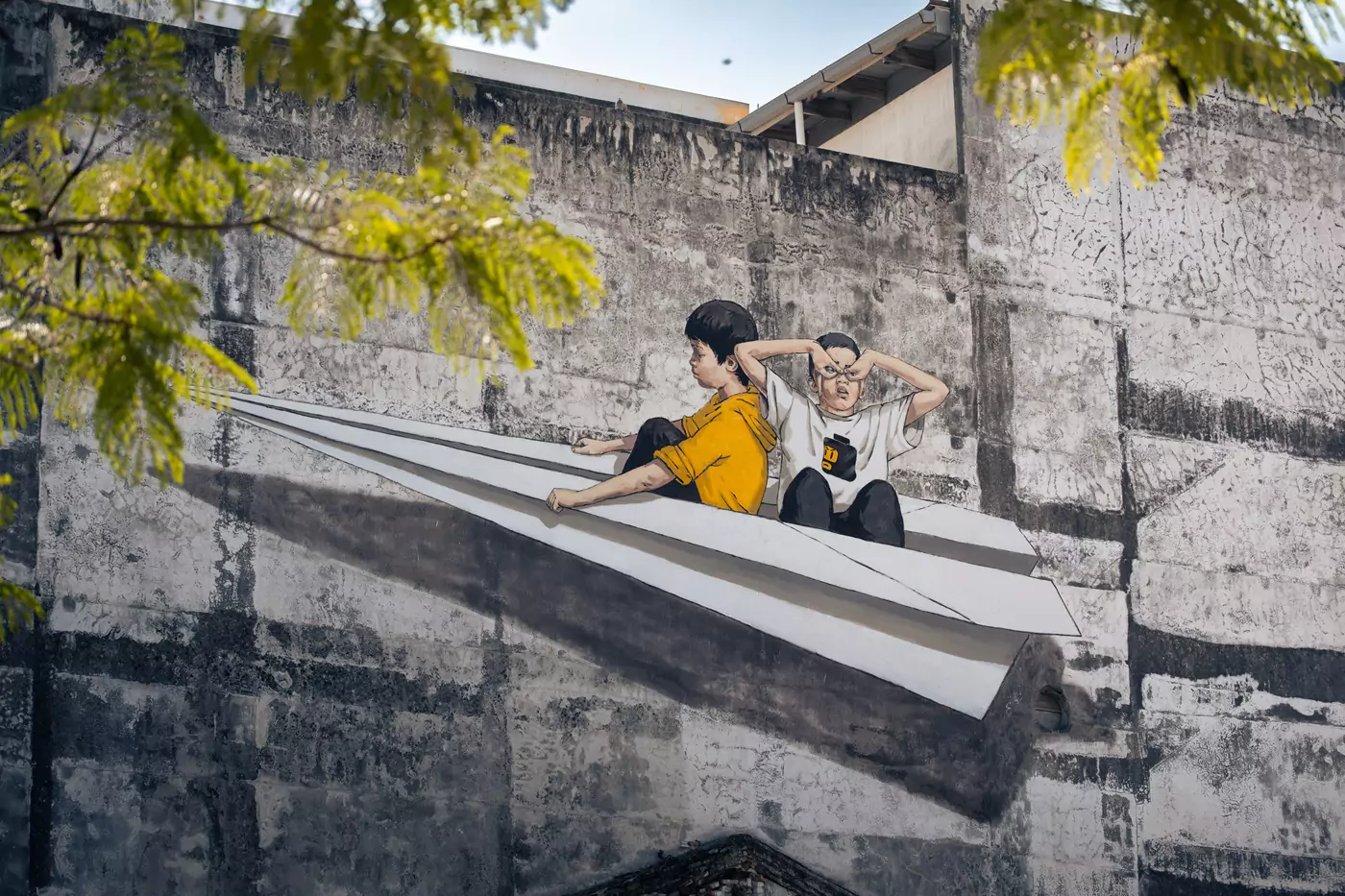
So, the city commissioned the same artist, a Lithuanian national named Ernest Zacharevic, who did the most famous Penang murals in 2014. He was paid by private businesses and the local council to decorate the town using his distinctive style.
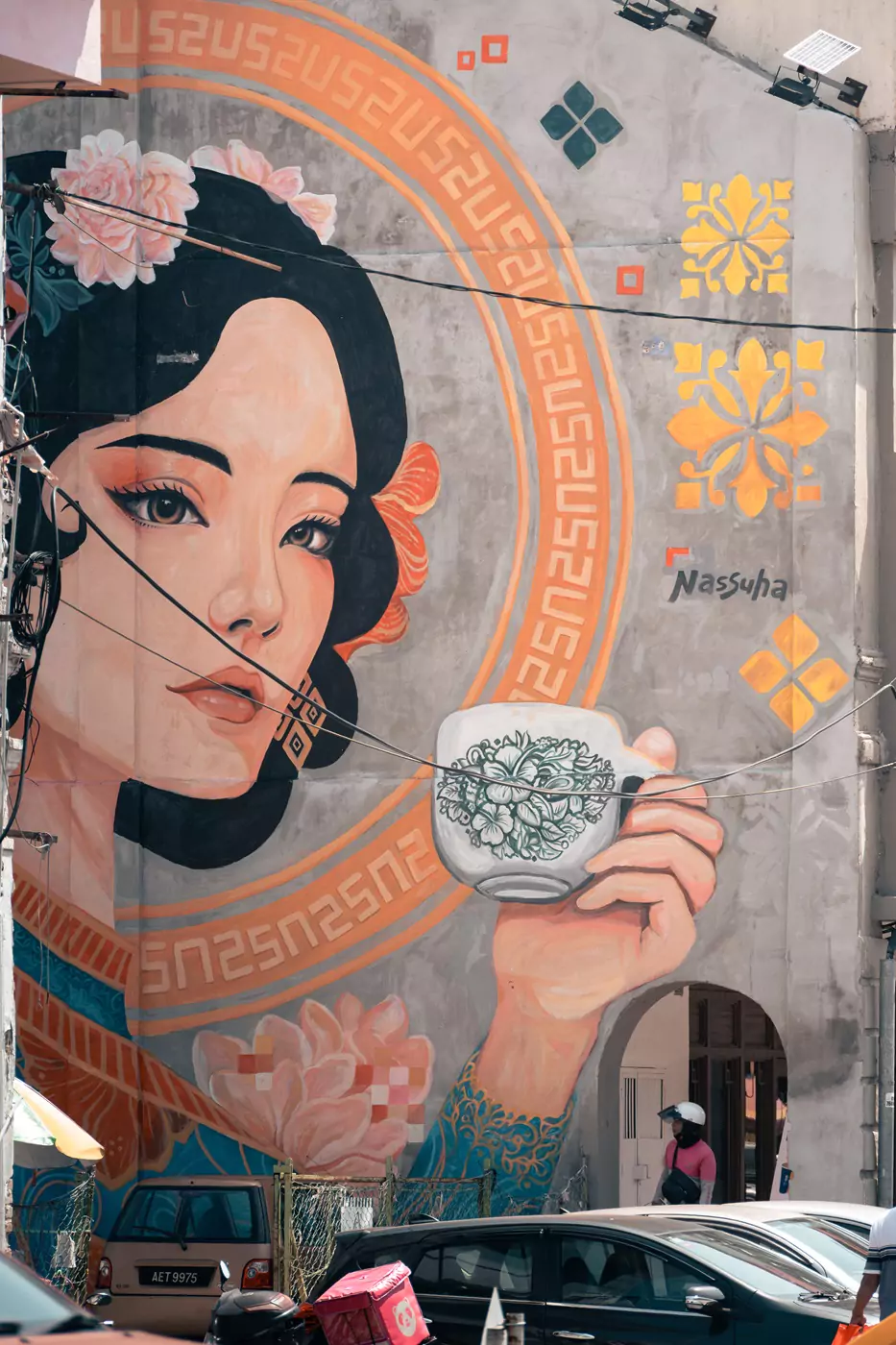
His works, along with the contributions of many other talented local artists, including Eric Lai, have turned Ipoh’s old walls into something visually striking. These Ipoh murals highlight the local coffee culture, scenes of childhood nostalgia, and the city’s (literally) rich multi-cultural history.
I personally found the street art in Ipoh (and George Town too, for that matter), to be particularly effective due to its setting within some of the most beautiful, aging colonial structures I’ve ever seen (so I’ve included a few architecture and city shots too, below!).
Where to Find Ipoh’s Street Art
Ipoh may be the third largest city in Malaysia, but fortunately you don’t need to traverse all of this expansive city to find most of the street art on offer. Mostly, it’s contained in a very small, walkable area around the older area of town, near the train station.
Below we’ve listed some of the areas we visited during our wanderings.
Mural Art’s Lane
This stretch of alleyway, parallel to the main thoroughfare through Ipoh, was the first we reached on our meander through the city. It’s literally just a low-key back alley, with homes and the rear of businesses all along it.
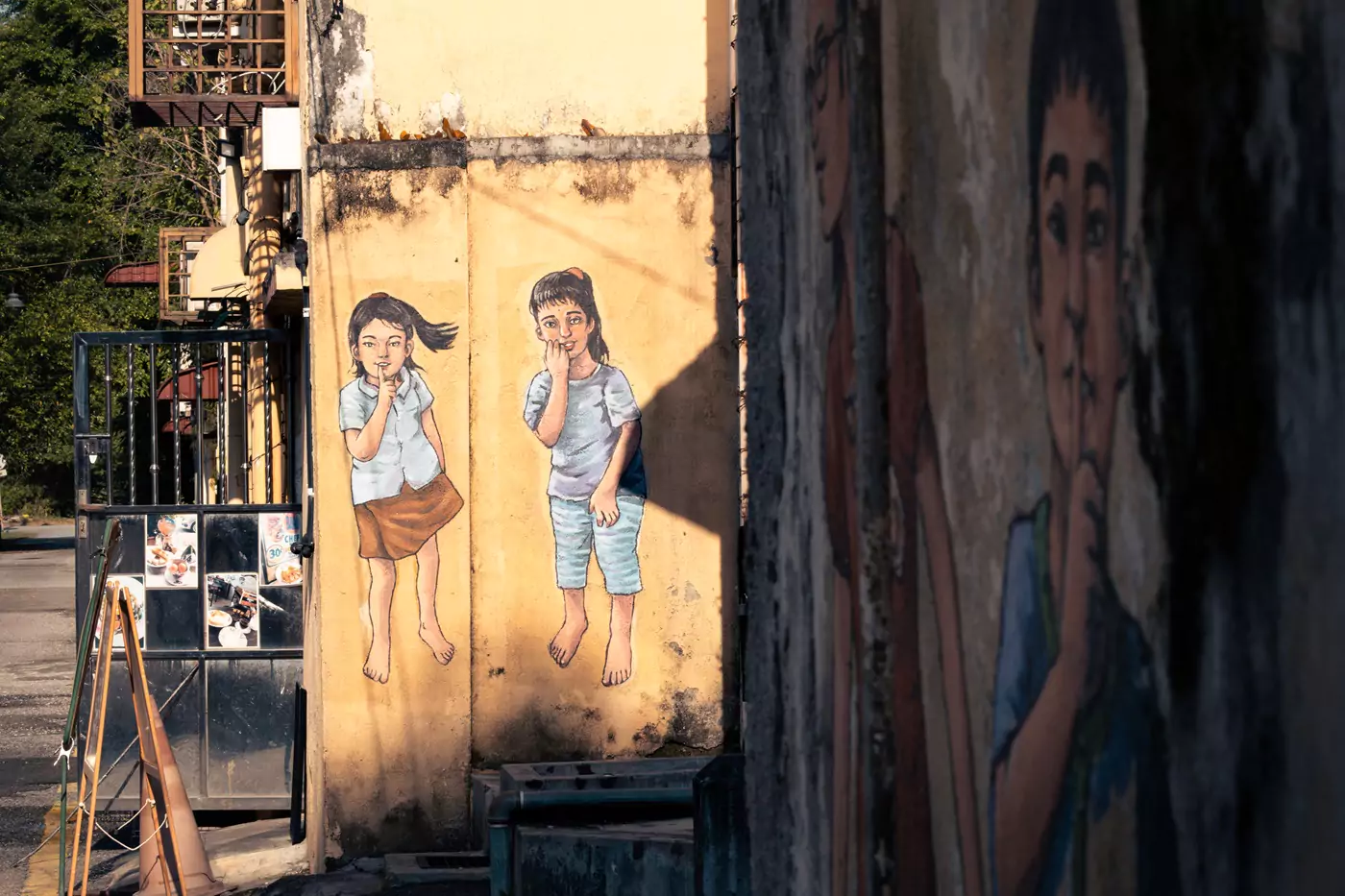
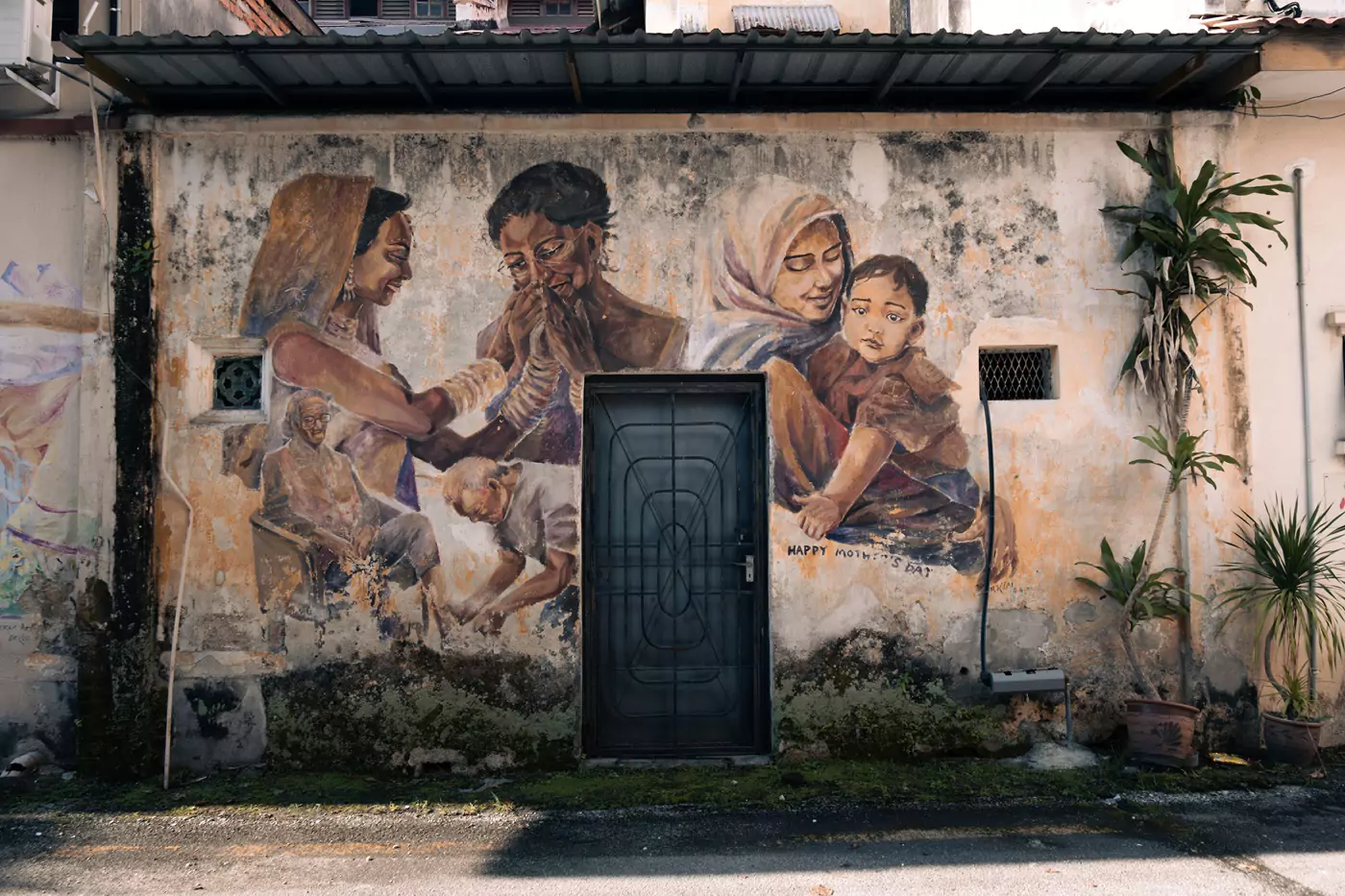
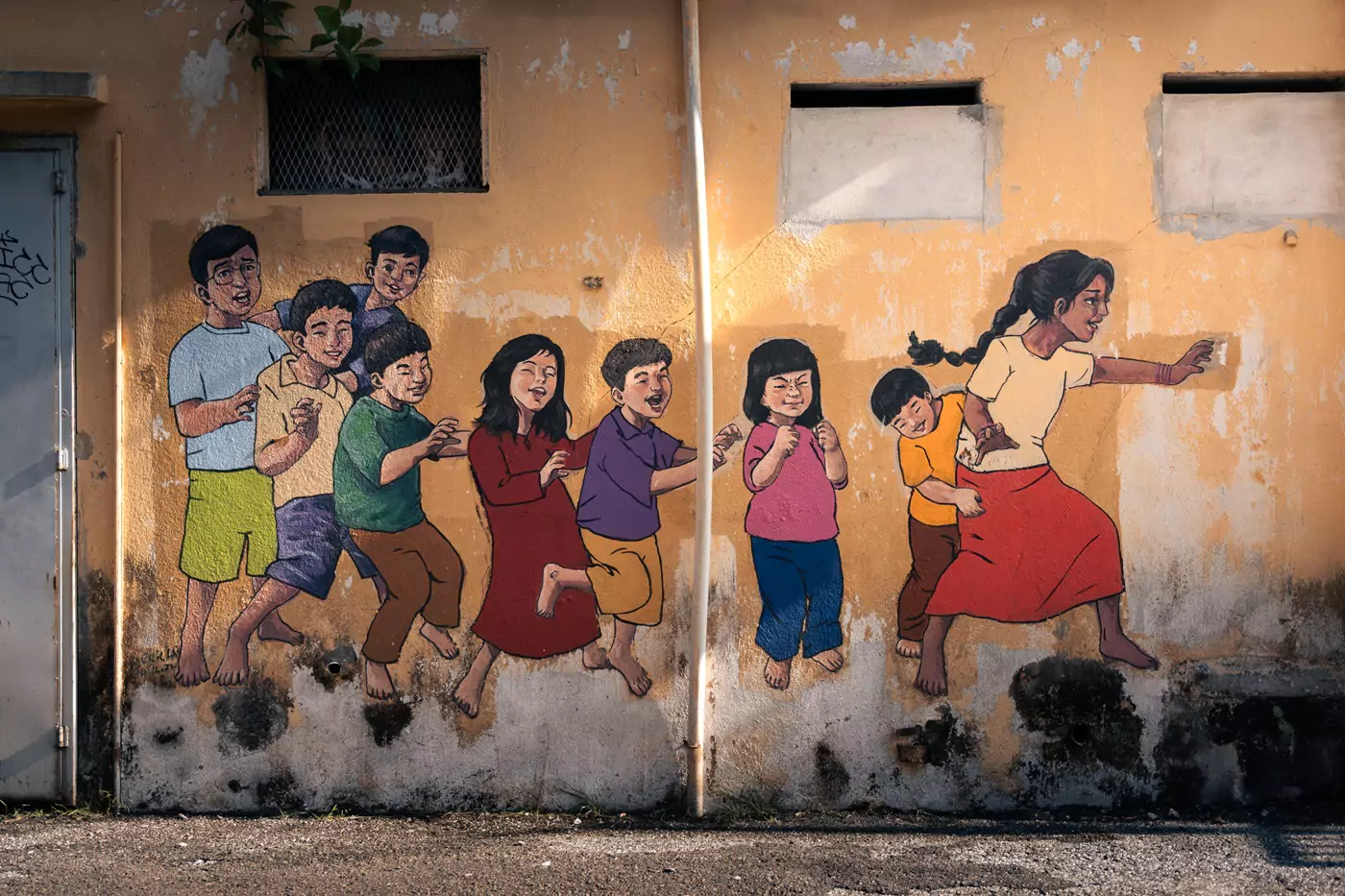
It‘s chock-full of colourful, detailed murals depicting Malaysia’s multicultural heritage, kids playing traditional games like hide and seek, and environmental messages.
The area is actually pretty large, with small, decorated alleys off from the main route. I think this is the best spot in town, personally, to check out artwork, although the environment is far from glamorous (which I think adds to the appeal, somehow).
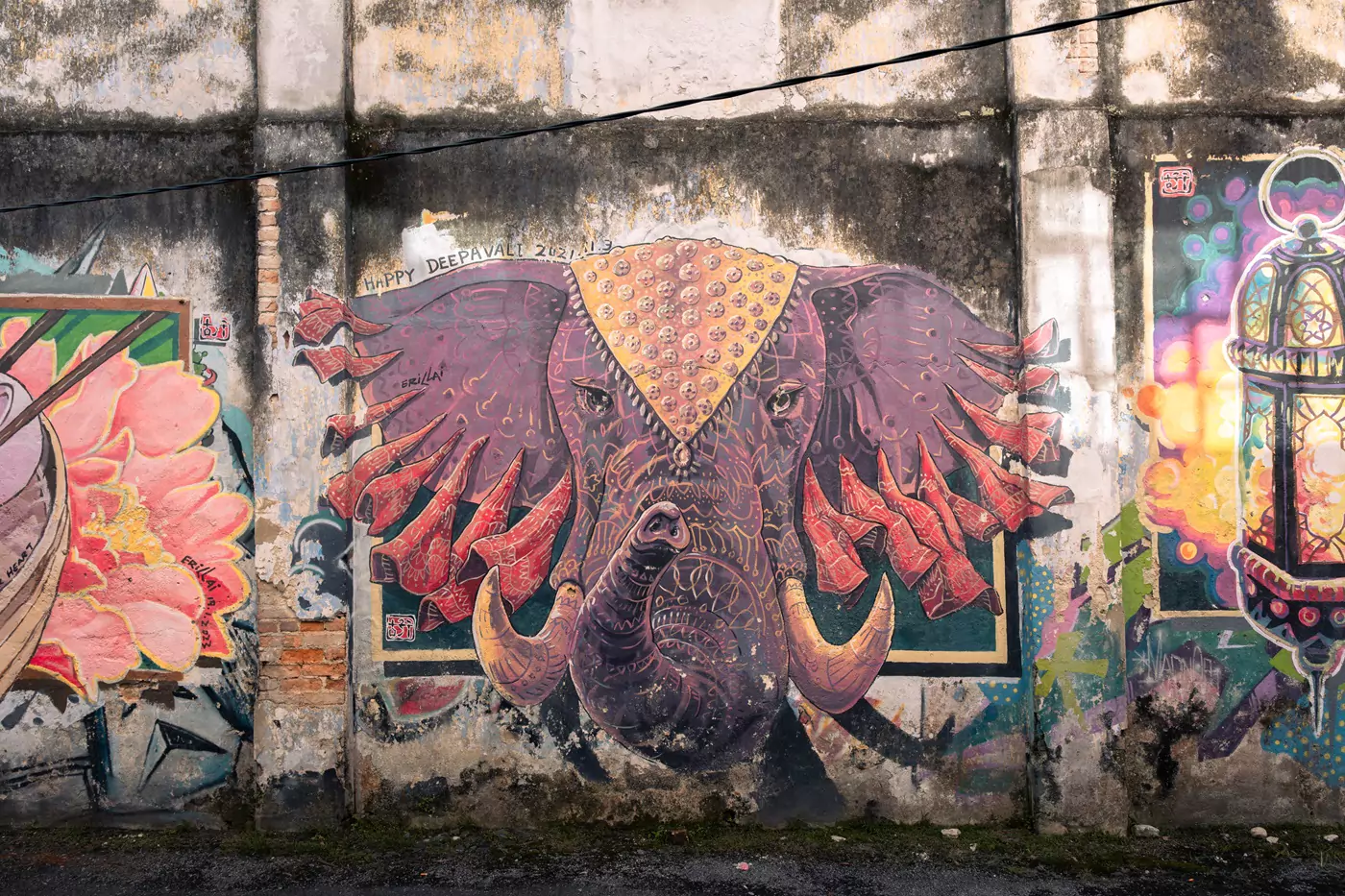
I think this spot has some of the most skilled, high-quality art (although I have absolutely no clue if this is an accurate statement or not). There are many smaller frescos, often depicting children playing, celebrating groups of people from different backgrounds, and even some new year revelries and mothers’ day portrayals. Some are really quite whimsical, with bears playing with ladies from the tin mines, ornate elephants, and cute Japanese buns!
It seems like there are always new pieces being added here, so you’ll probably see some shiny new painting. I personally prefer the peeling, sun-bleached, flaking murals – there’s something about their age that makes them feel like they are part of the place.
In terms of photography, Mural Art’s Lane was completely empty when we visited, so it’s pretty chill to spend your time taking pictures. The alleys are relatively narrow, so we’d recommend using the widest-angle lens possible. It’s mostly unshaded, too, so be aware that it gets kind of hot.

Concubine Lane
This is one of Ipoh’s most famous historic streets, situated right in the centre of the old town and full of small vendors (and tourists!). Contrary to Mural Art’s Lane, this spot is far from empty!
Named for the mistresses of the tin tycoons of the early 1900s, I can imagine this constricted, smoky, dingy alley being the seedy underbelly of a booming industrial city. It’s the kind of (probably inaccurate) imagery I’ve picked up in a film, somewhere.
In present day, Concubine Lane (also called Panglima Lane) is lined with murals hidden between the newer boutique shops and more traditional shophouses. It’s a great place to do a little shopping and grab some food, if you’re in the mood to queue (and pay a little over the odds).
It’s cute, there’s no doubt about it, but it’s also only a small part of that area of Ipoh. The street itself is so tight that it can feel a bit exhausting, and getting photos of the art down the alley is difficult (plus you’d need a crazy wide-angle lens).
Whether you want some hawker street food, a quality smoothie, some artisanal ice cream, it’s all here, though, so stop by during lunch.
We got smoothies from nearby Rabbit Juice, which were absolutely top-notch and had such friendly staff.

Kong Heng Square
Just across the road from Concubine Lane is the semi-concealed Kong Heng Square, a fashionable market area selling all sorts of actually cool handcrafted goods, like jewellery, and even second hand books (who doesn’t love an ancient book or two).
It’s not exactly jam-packed full of art, like Mural Art’s Lane, but it’s stylish, quirky and worth a wander around. The square is nearly as popular as Concubine Lane and quite narrow, so prepare for crowds during busier parts of the day!
There are some quirky murals and artwork (look for the chairs stuck to a wall inside a restaurant – it’s actually pretty cool). There are also old buildings with ancient trees and it has this very retro, arty feel. If you can avoid the people, it’s got loads of photo opportunities!


Market Lane and the Rest of the Old Town
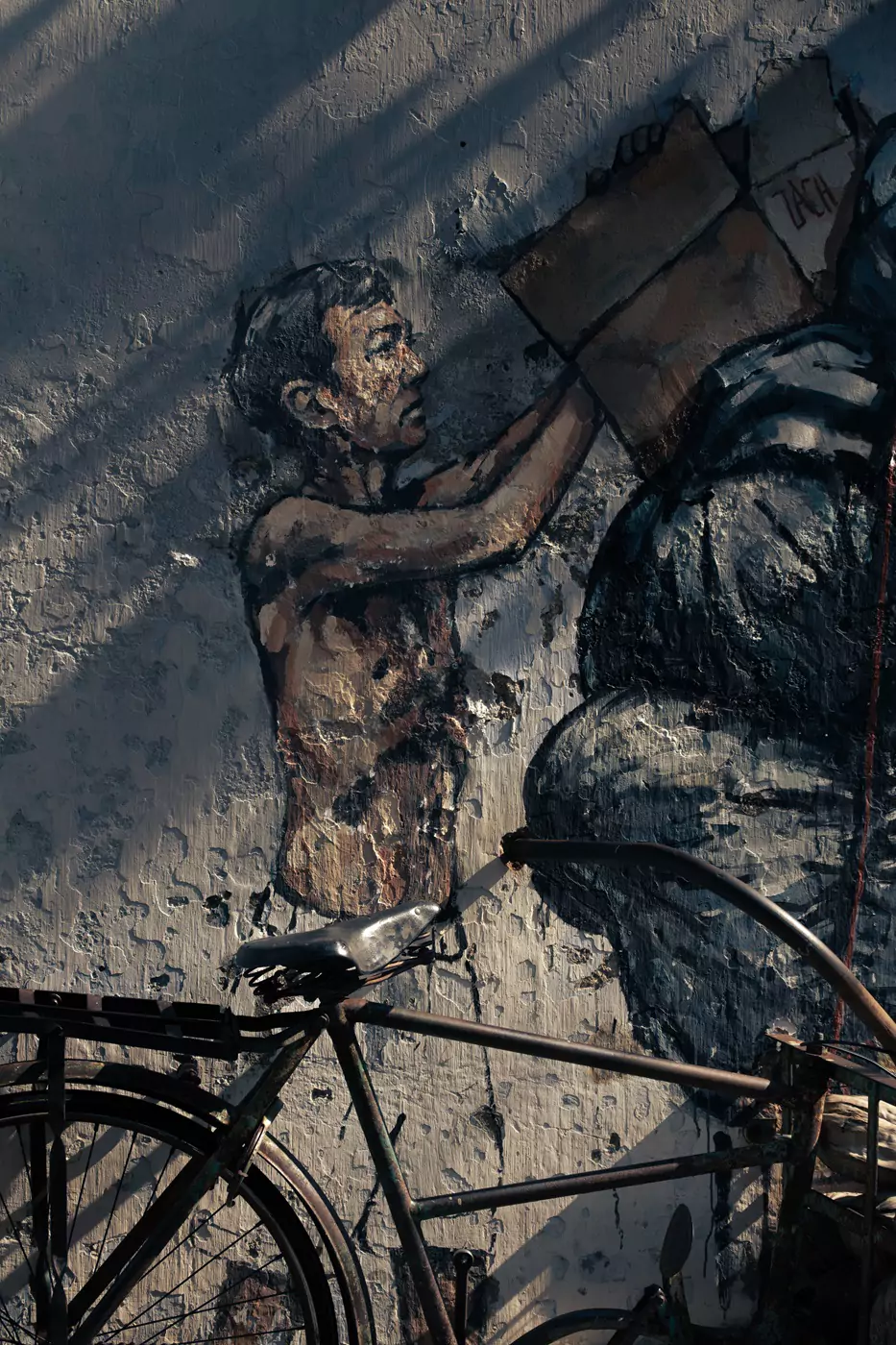
There are quite a few spots around the charming Market Lane, where murals depict old-school trades, cultural icons, and humorous takes on daily life in Ipoh. This street is also home to one of the more famous murals in Ipoh, ‘Trishaw’, by Ernest Zacharevic.
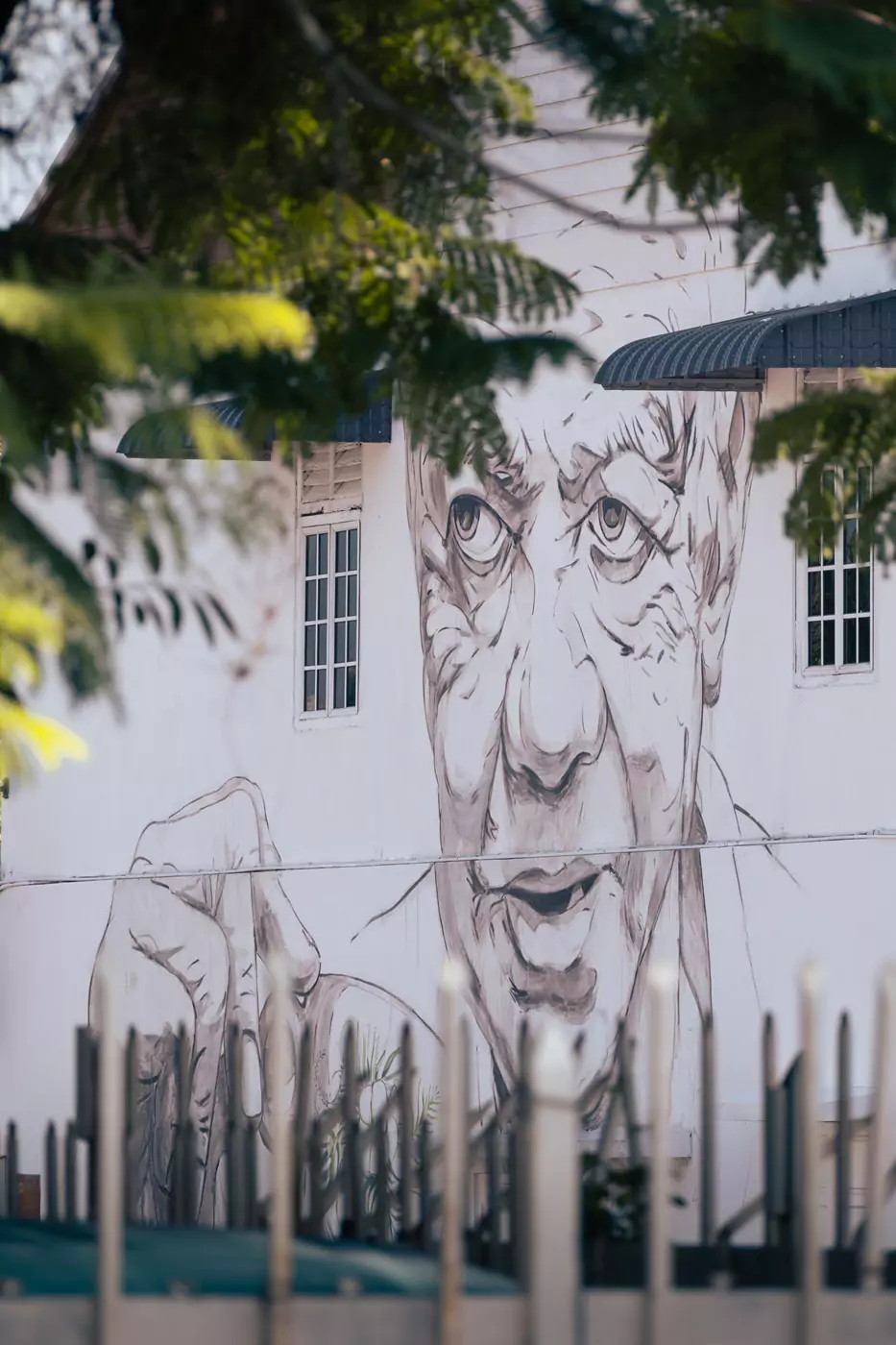
Around the old town area, there are also some absolutely enormous murals (like building-sized), and you’ll find some more of Zacharevic’s other well known works:
⬩’An Old Uncle Drinking Coffee’
⬩’A Paper Plane’
⬩’Hummingbird’
⬩’Evolution’
⬩’A Bag of Coffee’
⬩’Girl on Wall’
⬩’A Kopi Break’
These are all marked on our Google Map below.

Ipoh Heritage Walk
There is a cool heritage walk that takes you around the old town area with plaques and information on route. It’s made up of 25-30 stops (I’m not sure of the exact number because I’m rogue and have never been able to stick to a predetermined path).
The route goes from the historic train station (which is a gleaming white-washed, palatial building, by the way), so you can start there if arriving by train.
Along with the train station, the stops include the Birch Memorial Clock Tower, the Han Chin Pet Soo (and the giant mural there), Concubine Lane, and loads of more specific examples of the architecture.
It’s around four miles long (so I’m told) and most of it is unshaded, so take a hat and some serious sunblock.
It’s great way to learn about Ipoh, so make sure you don’t miss any of the major highlights! You can pick up paper maps from the tourist information centre.


Got More Time in Malaysia?
Celebrate Chinese New Year at Kek Lok Si
Check out the most photogenic spots in Penang
Learn more about the Tamil celebration of Thaipusam
Take a look at some Thaipusam photography
Spend three impeccable days in Penang
Figure out if renting a scooter in Penang is for you
Have the perfect visit to Malaysia’s largest Buddhist temple
–
Ipoh’s Architecture
Ipoh looked surprisingly similar to George Town, to me!
Maybe I shouldn’t be surprised, considering they’re nearby each other? People talk all the time about how special Penang is, and yet nobody really talks about Ipoh.
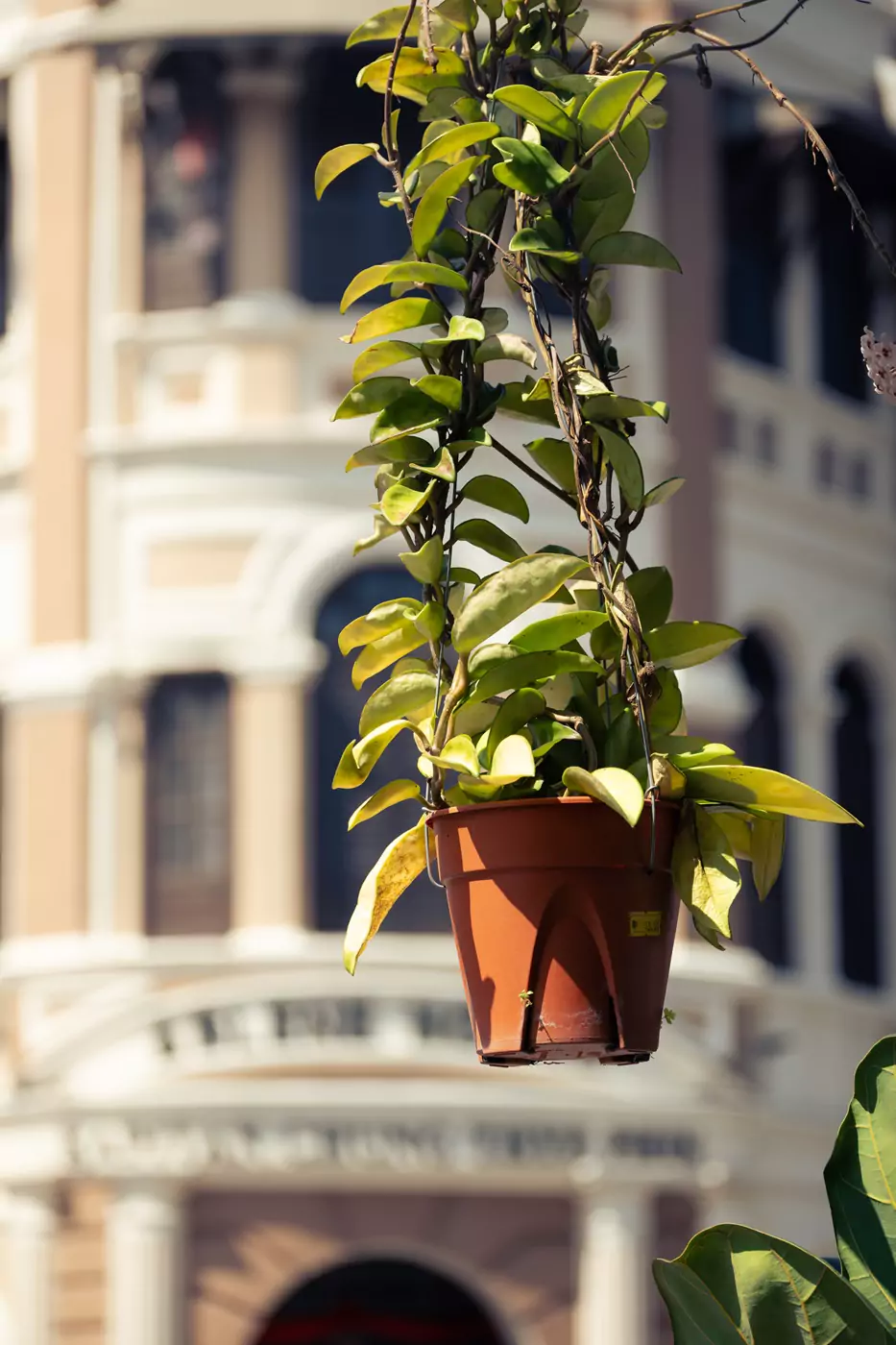
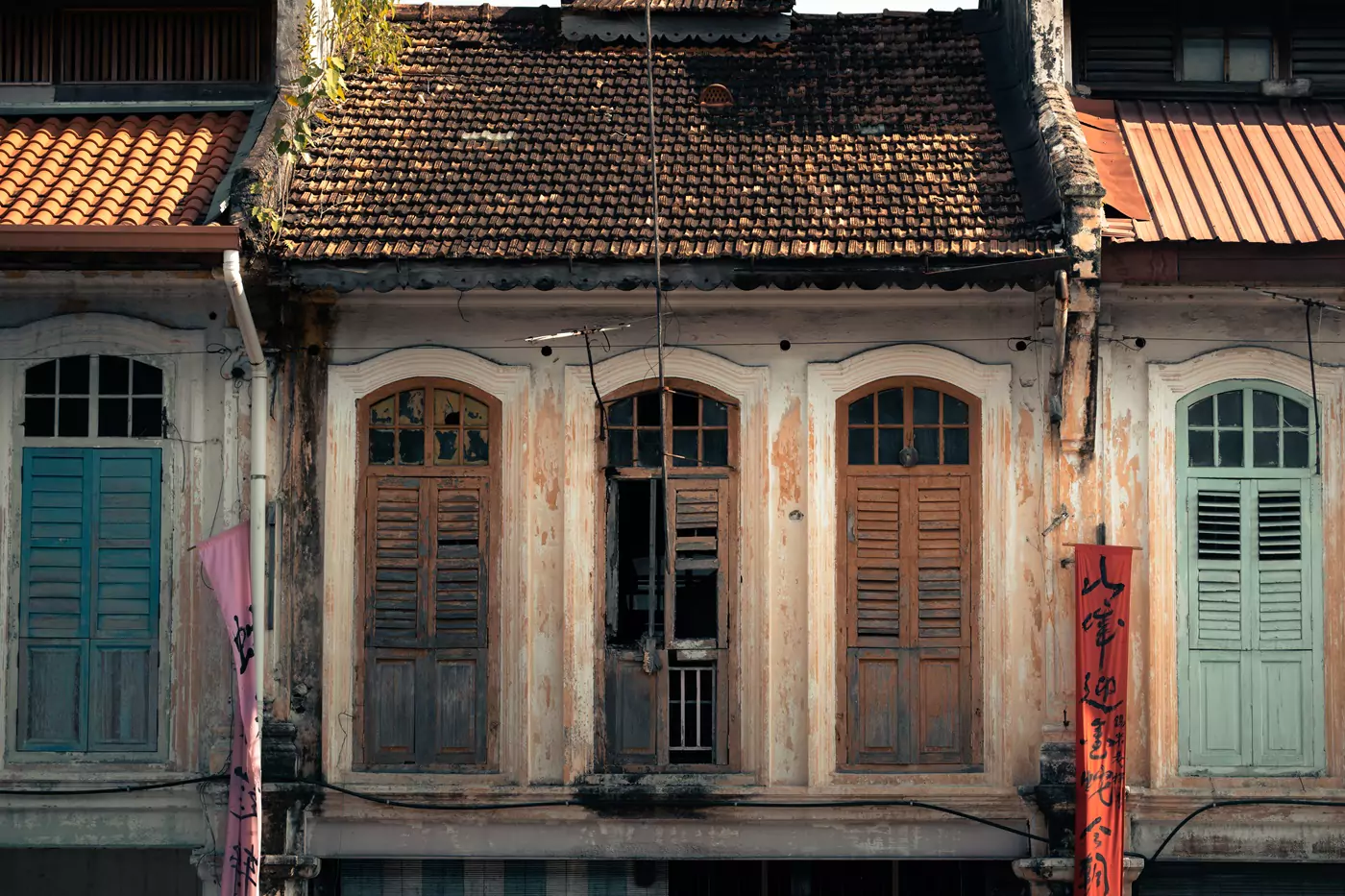
It’s a genuinely photogenic city, even without all of the street art! Even outside of the old town, on the east side of the river, the city sparkles with old buildings, traditional shophouses, colourful facades and pretty shutters.
It’s well worth a wander through the rest of town!


Where to Stay in Ipoh
We stayed in the MU Hotel, which was modern, had great staff, clean rooms, and loads of hot water! We booked last minute so there were not that many rooms left in Ipoh that we liked but we were really happy with this one – it’s pretty central and near to some excellent food and hawker stands. We also had a top floor room with magnificent views of the mountains.
Bedrock Hotel Ipoh – this quirky, independent boutique hotel is absolutely the one we would have chosen if we had booked further in advance (it was sold out). It’s beautiful, with a fantastic location and even better reviews. The price point is fantastic too. It’s genuinely lovely – take a look!
–

What we ate in Ipoh
I know this has nothing to do with street art, but if you’re visiting, you’ve gotta eat.
So, here are a few places we really liked (as vegetarians):
⬩ Ninety Guesthouse and Coffee Bar – really nice western food in a vibey café setting. We loved the pasta dishes.
⬩ Muzi T | Veggie – really fantastic veggie Chinese food with meat substitutes and magical tofu (meat-free Chinese has been hard to find during our trip).
⬩ Lim Ko Pi – we highly recommend the excellent veggie curry mee
⬩ Rabbit Juice – amazing mango smoothies served by lovely people in a modern setting
⬩ Aro Restaurant – great looking Indian place with a little Malaysian twist. We didn’t have time to try it out, but it was recommended to us, so we’ll go next time!


Map of Ipoh’s Street Art
Below is a saveable Google Map which marks all the places on this post.
To save the map, select the star next to the title.


WANT TO TAKE A BETTER TRAVEL PHOTO?
There are three parts to travel photography –
⬩ Planning your trip
⬩ Taking the photo
⬩ Editing the end result
To get the highest quality, most sophisticated photos from your travels, you’ll need to perfect all three (plus a tiny bit of luck).
So, we’ve written a lot of country-specific guides about planning trips to various destinations, and also collated our absolute top tips for taking photos on location. We’ve also written a dedicated post on how to take the best black and white travel photography. Check them out if you’re interested!
We also write about typical editing mistakes to avoid. To complement that, we’ve collated a more intermediate user’s guide to editing travel photography. This covers more elegant, advanced and refined skills, ones that will promote your photos to the centerpiece of anybody’s wall.
–
Where to Next?
We think Ipoh is worth visiting – honestly, it surprised us, in a really good way.
In fact, we’d love to go back and stay for longer! The city is an interesting stop, even if street art isn’t your number one priority. It’s definitely a must for photographers – every angle offers up something photogenic and there are so many visually quirky little details! Ipoh is all about colour, design and culture.
If you’re visiting Malaysia, Ipoh is a fantastic stopover on the way to Penang (and it means you avoid those short haul flights, too!). If you’re interested in visiting, take a look at our three-day itinerary, which is the perfect amount of time to see all the highlights!
Hi, thanks for visiting our blog! If our free content has been of help to you, or you’ve just enjoyed our random ramblings and musings, say thank you by buying us a coffee! It helps keep The Restless Beans blog up and running.
Thank you, Claire + Nick


