· SOUTHEAST ASIA · THAILAND ·
The Monster Guide to Planning Your First Thailand Trip: 58 Essential Travel Tips
Scribbled by Claire ◊ 06 Dec 2024
Are you planning your first trip to Thailand? If so, this list has absolutely everything you need to know to avoid all the pitfalls of the first-time traveller to southeast Asia, and is conveniently divided in to useful, easy to read sections, covering food, transport, shopping, cultural expectations, and more.

Thailand is often a traveller’s first foray into the magical world of southeast Asia.
It’s a relaxed, hospitable country with sparkling beaches, world class cuisine and a (mostly) sunny climate. In fact, Thailand’s capital city, Bangkok, was the most visited city in the world in 2023, with nearly 23 million people checking out the ornate temples, world renowned street markets, and glitzy malls.
However, this country can also be a bit of a shock to the system for the uninitiated; the heat, the smells, the noise can really awaken the senses. It’s a constant adventure which can cause (understandable) anxiety in some.
There’s a lot to learn, experience and adapt to. We’ve spent six months travelling around Thailand and now live long-term in Bangkok. It’s a country we now feel extremely comfortable in and know how to get around.
This is a comprehensive list of everything you should know before landing in Thailand (and things we wished we knew), split into nine practical categories, including money, culture, safety, food and drink, logistics, how to book, shopping, transport, and legal stuff.
We also dispel a bunch of inaccurate rumours and misconceptions about Thailand – there’s a lot of information out there that’s incorrect!
We hope it helps you plan your trip!

This post may contain affiliate links. If you book through these links we may make a small commission at zero cost to you. It helps us pay for the upkeep of this blog. Thank you!
1. Thailand Money Tips
1.1. Don’t Use Foreign Currency in Thailand
This is an obvious one, but I’ve seen this question come up so often: don’t expect to be able to spend Euros or US dollars here!
The local currency is the Thai baht and that is the only currency anyone should try and use.
1.2. Exchanging Foreign Currency in Thailand
The most popular option for converting currency in Thailand is SuperRich, easily found by its bold orange exterior. They can be found on level B of Suvarnabhumi Airport (BKK) and various other locations including stations on the Bangkok Mass Transit System (BTS) and the larger malls in Bangkok like ICONSIAM and Central World – take a look on Google.
They also have an app you can use to check rates.
Tip | always convert your currency in Thailand rather than before, as you’ll get a better rate. It doesn’t matter whether you choose UK pounds, euros or US dollars, so just bring whatever is easiest for you.
1.3. Tagthai Could Save You Money
If you’re spending some time in Bangkok, Chiang Mai, Pattaya, Phuket or Ayutthaya, this digital travel pass might save you money on attractions if you’re short on time.
TagThai gives free entry and dining options across your chosen city for 24 hours. If you’re planning on filling your day with activities from dawn to dusk, TagThai could potentially be a winner for you.
Check out the TagThai website to see if it might help you out.
1.4. Thai ATMs Will Always Charge You
In Thailand, it’s 250 baht per withdrawal, no matter how much you take out or which bank you use.
This means it makes sense to take out as much cash as possible per withdrawal – the yellow Krungsri machines have the highest withdrawal limit of 30,000 baht. It’s possible your home bank will limit you to less (for example, ours only lets us withdraw around 20,000 baht at the current exchange rate).
Tip | when withdrawing cash at an ATM abroad, never choose to convert into your home currency, the rate is always terrible.
Heading to the islands?
If you’re planning a trip to the beach, take a look at our massive list of the 21 best Thai islands.
If you’re undecided about which ones are ideal for you (they’re all different), it might help you plan!
–
1.5. Is Card Accepted in Thailand?
Although people will say that cash is king in Thailand (and it sort of is), more and more places are accepting card payments everyday (which is great for avoiding those ATM fees!).
The ubiquitous 7-Eleven accepts card payment on all 200+ baht transactions. Food courts often require you to use a special card to pay for food, and more and more street vendors have QR codes for you to pay with (you’ll need a Thai bank account to use these, though). You can even sometimes pay with your Bangkok transport Rabbit Pass.
Thought | I’m just saying that, despite what people say, Thailand isn’t exactly ‘behind’ many other countries in the world (and probably ahead of card-fearing Germany, for example!), especially in Bangkok.
1.6. Should You Tip in Thailand?
Tipping isn’t a big thing in Thailand.
You’ll hear so many different accounts of ‘how to tip in Thailand’, but at the end of the day, what matters is that the money you spend doesn’t disrupt the economy too much (be aware of the minimum wage and don’t tip someone in tourism more than a doctor earns, for example).
Here are some pointers:
⬩ In super posh restaurants, 10% is a good tip, although many places now just include this in the final price (always check the menu and receipt).
⬩ In local restaurants, round up to the nearest easy number (so a 20-baht tip is absolutely fine).
⬩ For taxis, like Grab, we tend to tip 20 baht if the journey was slow, but if I’m getting a lift around the corner, I probably wouldn’t.
⬩ For tours, we tip based on the quality of service. If we have a bad time, we never tip. If we have a great time, it would depend on the initial cost, but maybe 100 baht or so (this definitely varies depending on the initial cost).
⬩ I never get massages, but I’d probably tip 100 baht if everything was good.
Note | tipping isn’t a thing that Thai people do. It’s not expected from you and anyone directly asking for a tip is doing so because you’re a foreigner (and usually it’s sketchy behaviour to do that). We would never, ever, tip 25 percent, USA style. It’s just not done here and would be totally inappropriate.
1.7. Getting Your Tax Back in Thailand
If you really need a new laptop, earbuds, shoes, or phone, maybe consider purchasing them in Bangkok. The prices are highly competitive and almost certainly cheaper than most visitors’ home countries.
We actually bought our MacBook Pro in Bangkok, directly from the Apple shop, saving hundreds of pounds compared with the UK. Via a VAT refund, we also got another large chunk of money back when we left the country, too.
Tip | keep your receipt and VAT form from the shop and have the product on hand for inspection at the VAT refund section at the airport (follow signs, they’re really obvious).
1.8. Is Alcohol Expensive in Thailand?
Yes, alcohol is relatively expensive in Thailand (but it depends on what you drink).
I know most people want to enjoy a few beverages while on holiday, but if you are on a budget, avoid having too many beers! Generally, the price of alcohol in Thailand is far in excess of other costs, like food and transport.
Wine and craft beers are particularly expensive, the same goes for imported spirits. Even a bottle of basic Thai beer, like Chang, will set you back 80-120 baht (more on the islands).
Tip | I know some people have to have their alcoholic beverages, but for anyone more flexible, consider swapping out a beer for a fruit smoothie, even just for alternating drinks. It’ll save you loads of money and keep you cool!


FUN FACTS ABOUT THAILAND
Currency | Thai baht (THB)
Population | 71,668,000
National animal | Asian Elephant (Elephas maximus)
National plant | Golden shower tree/Ratchaphruek (Cassia fistula)
National minimum wage | varies by province, 350 baht a day is the lowest
National bird | Siamese Fireback
Roads | drive on the left
National sport | Muay Thai
Area | about twice the size of the United Kingdom
Official calendar | Buddhist calendar
–
RELATED POST | AN EPIC THAI ISLAND ITINERARY
2. Thai Culture Tips
2.1. Don’t Wear Shoes Inside
It’s expected to remove your shoes when entering residences or Buddhist temples. Some smaller shops also request you do not wear shoes inside.
Tip | slip-on footwear makes traversing lots of temples in a day far less hassle in places like Chiang Mai.
2.2. Keep Your Bikini For the Beaches
Although Thailand isn’t exactly super conservative, it is still expected that you don’t wander about in skimpy swimwear away from the beaches (and men, put your shirt on!). This includes riding scooters around the islands and popping into 7-Eleven (I cannot even begin to tell you the crazy things I’ve seen people wearing, or not wearing).
If in doubt, have a look at how Thai people are dressing around you. Also, remember that many areas of the southern Thai islands, like Koh Lanta and Koh Yao Noi, are majority Muslim (you’ll be able to tell from the sudden appearance of pretty green mosques instead of temples, plus women in abayas).
Bangkok is a bit more liberal, and you’ll see lots more Thai women wearing short skirts and strappy tops. Still, bikini-style revealing tops are not really acceptable on the street and men should always wear a shirt (I figure this is obvious, though).
2.3. Malls are a Tourist Attraction
I’m not typically a mall person. However, in Thailand I’m a major mall person (I’m a fan of anywhere with aircon).
They’re the hub of middle-class Thai society – with sometimes hundreds of restaurants and food stalls, supermarkets, cinemas and all sorts of other activities inside. Every major city has a few malls – usually with a top or bottom floor covered in affordable food options.
Also, Bangkok’s malls are absolutely world class. If you’re curious, check out Sukhumvit’s Siam Paragon, CentralWorld and the Em District, plus Iconsiam and Asiatique along the Chao Phraya River.
Don’t rule them out!
2.4. Thailand’s Cats and Dogs
Thailand has a lot of dogs (and a fair few cats, too). These street dogs (or soi dogs as they’re called by lots of people here) are mostly harmless, but be wary of gangs of them in early mornings, especially in rural areas. Carrying a stick helps as a deterrent.
If you’re bitten by a dog, rinse your wound and go straight to a doctor (even if you have had a vaccine). Rabies is present in Thailand and is always fatal without treatment.
Tip | if you’re keen to help the cat and dog population, check out one of the many animal shelters that feed and neuter animals. You can often visit and help out or make donations, such as the highly reputable Lanta Animal Welfare Centre, for example. Always do your due diligence and ensure that your money is going to an ethical sanctuary (check reviews and websites in advance).
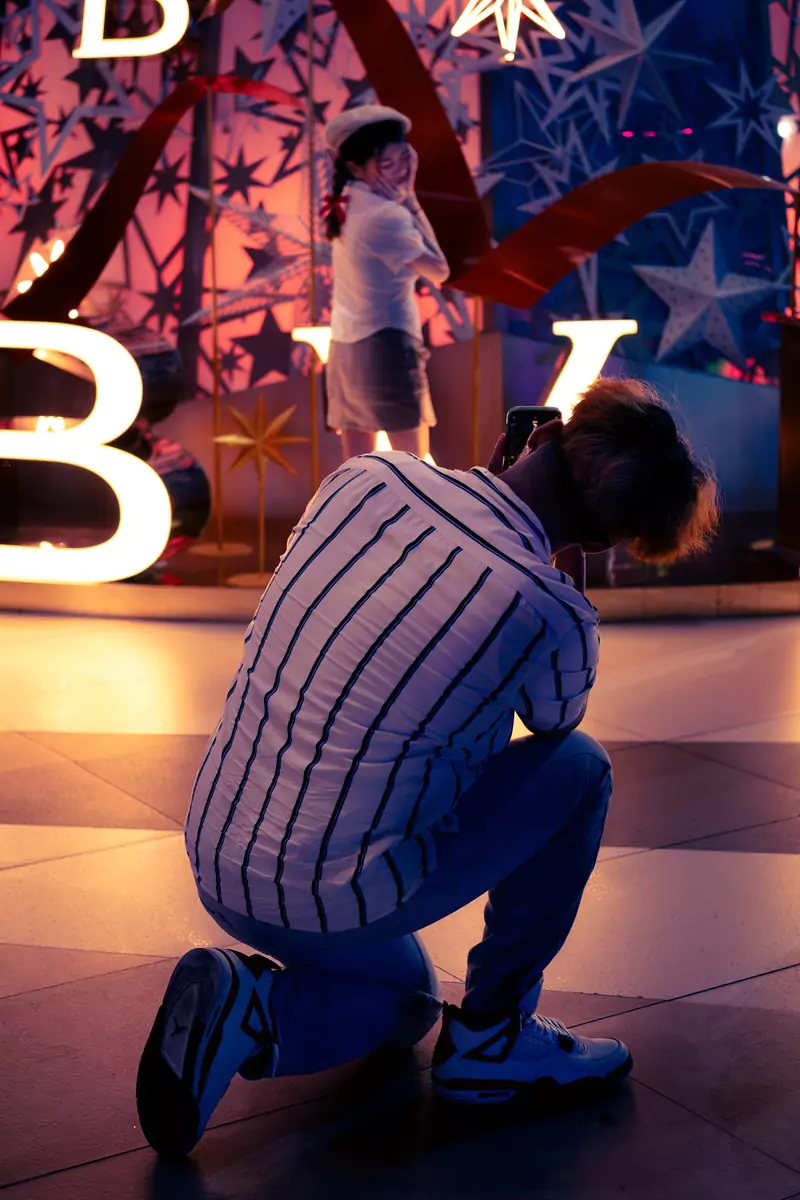
2.5. Photography in Thailand
Thailand is photogenic – we have spent many a day wandering the country looking for epic photography spots. However:
Thai people are generally friendly, but that doesn’t mean they necessarily like to be photographed. Always be aware of the ethics of photographing people in compromising positions or in private residences, in particular. Street photography may be legal, but that doesn’t justify taking photos of people and places that you wouldn’t do at home.
Specifically, I see a lot of photos of little Thai kids taken by people on holiday, published on social media. Fundamentally, this is treating them as lesser-valued people if you wouldn’t consider doing it in your resident country.
So: don’t take photos of kids without permission. In fact, don’t take any photos that you wouldn’t be comfortable having taken of your own family.
Note | there is a difference between travel photographers doing what they do professionally and a dodgy, out of focus, cell phone ‘happy snap’ with no artistic merit. In particular, dodgy quality pics of random Thai people – I have no idea why anyone would publish photos like that. There are so many ethical issues involved, too, especially of photos that perpetuate (often inaccurate) stereotypes. Unless you’re a photographer who has studied the ethics of a situation, keep the phone shots to yourself.
If you’re interesting in upping your happy snaps game, have a peek at our comprehensive travel photography tips.
2.6. Do Not Ride Elephants
It’s 2026 and, tragically, this still has to be reiterated. Elephants are not for riding. You’ll see it explicitly in places like Ayutthaya Historical Park and the Sanctuary of Truth in Pattaya.
There is a plethora of information on animal ethics out there in the internet-sphere, detailing what is acceptable when it comes to any kind of animal tourism. Check out as much information as you can before booking anything to do with animals and make a thoroughly educated choice.
Remember, truly ethical wildlife encounters are always entirely hands off.
There are only a few fully ethical elephant ‘sanctuaries’ in Thailand. Here are a few we’d recommend from our research:
ChangChill | Chiang Mai
Boon Lott’s Elephant Sanctuary | Sukhothai
Burm and Emily’s Elephant Sanctuary | Chiang Mai
Following Giants | Koh Lanta and Krabi
Somboon Legacy Foundation | Kanchanaburi
Elephant Nature Park in Chiang Mai and Phuket Elephant Sanctuary in Phuket are both popular, but are not entirely hands off (as far as we are aware). Also, be careful if you go to either of these as other, sketchier ‘sanctuaries’ impersonate them.
We’ve written a little about Koh Chang’s elephants and Ayutthaya’s Elephants if you’re interested in more detail.
2.7. Respectfully Greet People with the Wai
Thai people don’t tend to shake hands, so don’t do that!
Instead, they dip their head towards you with hands in a sort of prayer position, called a Wai. That’s the thing to do.
You don’t need to respond to a wai with a wai as a tourist, just nod and smile in response.
2.8. Don’t Touch Heads or Point Feet
The head is the most revered part of the body in Buddhism, so don’t touch anyone on the head, even small children (I can’t imagine anyone would do this, but you know, just in case you’re a weird head toucher).
Also, don’t point your feet at anyone, or anything depicting the Buddha – it’s disrespectful.
2.9. Gender is Wonderfully Fluid in Thailand
I love how open and accepting Thailand is.
Somebody else’s gender is just not something that most everyday people seem to concern themselves about here. Considering the current wave of nastiness going on towards transgender people, especially in the United States, Thailand is a refreshingly welcoming and friendly place to exist if you are part of the LGBTQIA community.
Same sex marriage has recently been legalised, gay people are allowed to serve in the military and Thailand is the most popular destination for gender reassignment surgery in the world.
It’s not perfect and homophobia does still exist in Thailand, but it’s likely better than where most tourists live.
2.10. Do Not Disrespect the Buddha
The image of Buddha in Thailand is considered sacred, regardless of size, age or state of disrepair. A few (hopefully obvious) notes:
⬩ Don’t get a tattoo of the Buddha
⬩ Don’t turn your back on the Buddha or take a selfie with your back to a statue
⬩ Don’t point soles of feet at the Buddha
⬩ Don’t touch or climb on statues of the Buddha
I mean, just behave respectfully like you would in a religious institution, anywhere in the world.


3. Safety Tips
3.1. Vaccinations Required for Thailand
We’re not doctors, so we’d fully recommend you seek proper medical advice from your relevant government website and healthcare professionals.
Required vaccines for Thailand | the only required vaccine for Thailand is yellow fever, which is only necessary for travellers who have recently travelled from countries with a yellow fever risk.
Personally, we travel a lot and have had every vaccine and booster under the sun. For Thailand, you’ll likely be recommended to get hepatitis A and B, typhoid and tetanus, plus boosters for measles. We’d recommend all of them – I’ve actually caught Hepatitis A while travelling, so you can get these illnesses, they’re not just a myth!
Note about Hepatitis B | it’s not just transmitted through unprotected sex. It’s also caught through infected medical equipment, like needles. If you fall off a scooter or are in some kind of accident, you’re at risk. So, consider getting a Hep B course if you’re thinking of doing any risky activities (and make sure you have valid insurance if you’re riding a scooter!).
Dengue fever | the new dengue fever vaccine is now available and might be worth considering too – I’ve caught dengue fever in southeast Asia and it’s no fun. I’m planning on getting the vaccine in Bangkok – I’ll report back when I’ve sorted it out.
Remember, when some random on the internet insists you don’t need vaccines because they’ve ‘visited Thailand three times and were totally fine’, that’s anecdotal and totally unhelpful. You’re always okay until you’re not.
3.2. Thailand is Very Hot
Thailand is really, really hot.
We’ve found it hotter than the Yucatan, Las Vegas or Saudi Arabia in the height of their summers. There’s a combination of pollution and humidity that makes it sweat central over here (take everything with a pinch of salt though because we are English and just can’t cope with anything over 25 degrees C).
If you’re not great with heat, make sure you avoid the impossibly hot months between April and June. Take in electrolytes liberally and don’t plan for strenuous middle of the day activities.
Also, wear clothes you are comfortable in – I find sweat-wicking leggings and t-shirts keep my skin out of the sun and also keep me (kind of) cooler.
3.3. Typical Scams in Thailand
I would say that, in my experience, Thailand is not particularly scammy. If you avoid tuktuk drivers and unmetered taxis in Bangkok, then, for the most part, you’re unlikely to come across anyone who will be actively trying to scam you.
You will be given tourist prices sometimes, and if you can’t read Thai it is hard to know what things should cost (use Google Translate to decipher menus and signs). I don’t consider this as a scam though unless it’s excessive (it’s more of a haggling and foreign tourist tax thing).
Tip | do not buy gems – this is a common scam in Bangkok.
Tip | remember, if someone approaches on the street asking where you’re from (especially in a touristy area), always be wary! It’s rare that a person would do that without an ulterior motive. Be prepared for the typical ‘help me with wound‘ and ‘I can sell you a herbal solution to balding‘ type things in areas like Nana in Bangkok. Just walk away.
3.4. Crime in Thailand
Just a quick note to say that crime is rare in Thailand, but not unheard of, particularly petty crime like pickpocketing and bag snatching.
Many tourists (who have visited one time for two weeks) will claim that Thailand is the safest country in the world. It’s not (in my opinion and also statistically) – that award goes to GCC countries like Oman and Saudi Arabia (in my experience).
Tip | take the usual precautions that you would anywhere, and don’t get too drunk. Most foreign visitors have incidents in Thailand because they drank too much.


4. Food and Drink Advice
4.1. Can You Drink the Water in Thailand?
The water safety is one of the most common topics we’ve encountered about Thailand. The answer is not as simple as many people make out:
Bangkok | much of the water in Bangkok is technically safe to drink, despite common misconceptions. However, we’d still recommend you filter any water you consume. The biggest issue in Bangkok is actually lead in the water, but if you’re only here a few days, it’s not going to be an issue building up in your body.
Elsewhere | outside of Bangkok, we’d recommend filtering drinking water.
Tip | it’s very unlikely you’ll get sick from brushing teeth with the tap water in Thailand. However, if you’re concerned about this, buy a filter rather than wasting plastic bottles just for your teeth!
Note | Thailand has a major waste problem, particularly with plastic, so don’t make it worse than it already is. Avoid using excess plastic wherever possible by purchasing a filter that makes any water safe to drink. There are so many types now and we never travel without one.
Our preference is the Katadyn water filter, but LifeStraw, Grayl and Sawyer all make decent ones.
4.2. Are Fruit and Salad Safe to Eat in Thailand?
This is the second most common question. Yes, you can eat the salad and fruit in Thailand, plus drink *all* the amazing-value smoothies. The general fear is that you’ll get sick because of contaminated water, but that’s highly unlikely.
Remember, there’s nowhere that would want to make a tourist sick (or resident, for that matter); it’s not good for business. I eat all the salad and fruits available – always (it’s the only food I can get here with low salt content!).
We’ve been living here for two years and travelled here for even longer and have never been sick from any kind of food contamination in Thailand.
4.3. Is Thailand’s Street Food Safe?
As with everything else, Thai street food is very unlikely to make you unwell.
We’ve eaten all the Thai street food options available, especially when we were very budget backpackers (we used to eat absolutely anything). There was never a time when we needed to use activated charcoal, probiotics or any other preventative medicine. Even when we used to eat loads of meat, we were never sick.
Last night we were out at a local Thai festival in Bangkok and ate *all* the mystery foods we could find. We feel absolutely fine today.
Tip | we are entirely vegetarian now (unrelated to the safety of Thailand’s street food). This is something we’d recommend if you are at all paranoid about getting ill, as it removes the (very low) meat risk.
4.4. Can You Drink The Ice in Thailand?
Yes, ice is safe in Thailand. It is made in factories and shipped around the country. The ice often has an obvious shape, kind of cylindrical with a hole in it (but not always, so don’t worry).
Drink all the iced smoothies and coffees, it’s hot here and nobody is going to poison you!
4.5. The Sneaky Fish of Thailand
If you’re a vegetarian or have any kind of seafood allergy, watch out for sneaky fish and oyster sauce. It’s not unheard of in Thailand to have a tofu dish made with seafood products.
Tip | there are lots of dedicated vegetarian restaurants popping up all over the place, and pad Thai doesn’t tend to have either sauce in.
4.6. Does Thailand Have Vegan Food?
We briefly touched on it above, but the typical Thai diet is not overly vegetarian/vegan friendly. Everywhere you go, there are meat skewers, egg products and sneaky fish sauce. Curries and stir fries from the more affordable street food places will all be predominantly made with meat, shrimp paste and fish sauce.
Things to know:
◊ There are dedicated vegetarian restaurants in many places (where vegan food is easily adapted) – literally just Google ‘vegetarian restaurants’.
◊ 7-Eleven has a bunch of excellent vegan meals in their freezer section (fantastic for quick food on the go).
◊ Pad Thai and som tam (papaya salad) are some of the easiest meals to go for as a vegan (they are easily adaptable).
◊ Food courts are a little easier to find semi-affordable vegan food. Most good ones in Bangkok now have at least one stall selling dedicated veggie stuff.
◊ Large supermarkets in Bangkok, like Tesco Lotus’s and Gourmet Foods, often have premade meals and ingredients that are vegan friendly. The more international the supermarket, the better time you’ll have.
◊ Indian food is a good option for vegans, but be careful of the ghee and cream.
Tip | the word for vegetarian is Thai is “mangsawerat” or for a vegan equivalent “jay/jey”. Often a vegetarian friendly place will have the symbol เจ written in red on a yellow background (it looks kind of like a ‘17’). We’ve even seen it on some foods in supermarkets and convenience stores.
4.7. Do People Use Chopsticks in Thailand?
Traditional Thai food doesn’t use chopsticks. Forks and spoons are the general go-to cutlery, so if you can’t use chopsticks, don’t worry.
You’ll often be given chopsticks if you order Chinese or Japanese food, but most places will have forks on hand in a pinch.
Tip | if you’re environmentally conscious, bring your own fork and spoon from home. Most street food stalls will give you plastic cutlery which you can decline to reduce waste.


5. Logistical Travel Tips for Thailand
5.1. Choosing a Thai Sim Card
Thailand is one of the best places for affordable mobile data in the world.
There are lots of networks to choose from, including DTAC, True, AIS and more. All provide excellent signal (apparently AIS is technically the best if you need seriously rural coverage, but we’ve never really found a difference between these main three companies even in extremely remote areas).
The best value sim we have found is the DTAC and True 200 baht a month option with unlimited data. These can be purchased from 7-Eleven or official phone network shops. You’ll need your passport, and they’ll take a photo of your face while registering the sim card. If you want an AIS one, go to an AIS shop in a mall.
If you need to top up/renew your sim, just go into any of the shops above and ask to renew your sim. Next, input your phone number into the machine at the till and it gets magically renewed for another period. It’s really easy.
E-sims | if you’re an Apple fan and can only use an e-sim, then we recommend Airalo for short trips, who we’ve used across the globe, including around southeast Asia (they do fantastic multi-Asia country packages). The signal has always been perfect, plus you get rewards which makes them even cheaper with repeated use.
5.2. Translating Thai Writing
Google Translate is a useful app in Thailand, but the camera option (in the bottom right) is particularly helpful as Thai letters are tricky to read. You will need an internet connection when using it, though.
Make sure you’re familiar with the app before embarking on your trip!
5.3. Do People Speak English in Thailand?
Generally, Thai people do not speak particularly fluent English. Obviously this varies, and some people do, but it’s definitely not as common to find an English speaking Thai person compared to countries in Europe, the Middle East and even nearby places like Malaysia and the Philippines.
I live in Thailand, have taken Thai language classes in Bangkok and, despite my determined efforts, I still cannot properly speak Thai. This is the first country that has completely beaten me, and I always try. It’s not actually that hard to learn, but the pronunciation destroys me!
However, everyone can learn to say a few useful things:
Thank you | ‘khob-khun’
Hello | ‘sa-wat-dii’
No | ‘mai’
Yes | ‘chai’
The bill | ‘chék-bin’
No problem/don’t mention it | ‘mai-pen-rai’
The Thai language has two words to make a sentence polite, which go at the end of a sentence. These endings are ‘kha’ if you are a woman and ‘khrap’ if you are a man. So, when you ask for something, don’t forget your polite word at the end: sa-wat-dii kha is how you say hello if you are a woman.
Thought | many people in Thailand speak a little English, but I imagine that English is as difficult to learn for them as Thai is for a visitor. So, be respectful, try your hardest, and always have your Google Translate app ready!
5.4. What Plug Types Does Thailand Use?
Thailand uses four plug types: A, B, C and O:
Type A | two parallel flat prongs
Type B | two parallel flat prongs and a grounding pin
Type C | two round pins
Type O | three round pins
Thailand’s electricity operates at 230V supply and 50Hz.
Tip | if you forget your adaptor or bring the wrong one, everywhere, including 7-Eleven, sells adaptors. It’s no biggie.
5.5. Thailand’s Complicated Weather Seasons
We could write an entire post on the various seasons in Thailand. They’re complex and, particularly at the tail end of the seasons, often unpredictable. Succinctly, Thailand is:
Coolest and driest | December – February
Flaming hot | March – June
Damp and Raining | July – October
Mixed | November (in our experience!)
Different parts of Thailand have distinct climates and seasons, too. Here’s a very quick run-down of the best/worst times to visit:
Andaman Coast (e.g. Krabi and Phuket) | best between December and March. Boats run less frequently through the summer months and November is totally hit and miss (we’ve been totally rained out and even wore jumpers once!).
Bangkok | sort of okay year-round (because malls) but gets extremely hot in April and suffers some flooding during the rainy months of July-October.
Chiang Mai | avoid February through April anywhere in the north, including places like Chiang Rai, Mae Hong Son and Nan, due to the burning season which makes the region almost unliveable.
South Gulf Coast (e.g. Koh Samui) | slightly more complicated, but December-February are the dryer months. These islands can also be a great alternative when the Andaman coast is rainy in summer.
Northern Gulf Coast (e.g. Koh Chang) | November to March is the best time to go, although we’ve had hit and miss weather at the beginning of this season. The rest of the year, these islands are mostly empty!
5.6. Why Does The Forecast Always Say Rain in Thailand?
Thailand is a tropical climate, and the weather forecasts rarely seem to get the rain predictions right, in our experience.
If you Google ‘weather Phuket’, it’s almost always saying rain. This might just mean 30 minutes of rain at 11pm. It’s just not worth taking too much notice of and definitely not worth stressing about.
5.7. Dates in Thailand
Thailand uses the Buddhist calendar, which puts year zero as the date Buddha attained parinibbāna. So, all the dates are different to the Gregorian and Hijri calendars that most visitors are used to.
It’s a simple conversion, though. If you need to convert from the Buddhist year to the Gregorian, subtract 543 from it. Currently, here in Thailand, the year is 2569.
5.8. The Grand Palace Does Actually Close!
The infamous tuktuk drivers of Bangkok will tell you all sorts of lies to get you in their vehicle – one of their favourites being the Grand Palace in Bangkok is shut, for various random reasons. It’s almost always a big ol’ fib.
However, the Grand Palace does actually close, so, very rarely, they’re correct! For example, on the Remembrance Day for King Rama IX (5th December), the Grand Palace really is shut.
Check the official website for more information around the dates you’re visiting.

6. How to Book Your Thailand Trip
6.1. Booking Your Thai Hotels
Personally, we reserve all our accommodation via Booking.com in Thailand. It is a decent, reliable platform that offers the best prices and, more importantly, decent free cancellation options and thousands of verified reviews.
We also find Booking.com to have the best interface and we get the best discounts. Even when we enquire about walk-in rates, Booking.com is usually cheaper than the hotel can offer.
Tip | remember to reserve ahead of time if you have a specific hotel in mind or are travelling during the high-season (especially Christmas and New Year) or Easter/Songkran.
Tip | if you’re happy to wing it, Booking.com is still great for checking the quality of hostels and hotels (we find it has by far the most comprehensive and useful reviews).
6.2. The Best Ways to Book a Plane, Train, ferry or Bus
I’ll just preface this section with – only fly if you must.
Most people visit Bangkok, Chiang Mai and some islands on a big first Thailand trip. This will involve long distances and utilising a variety of transport options throughout.
We use Skyscanner for all flight searching and have done for years – it’s by far the easiest and most flexible interface for searching all the airlines, routes and prices.
Tip | getting between cities and islands is usually done via bus, ferry, rental car or train. The easiest way to search for routes and representative prices is on 12GoAsia, the best transport aggregator in southeast Asia (and beyond). Usually they charge a dollar or so more than booking in person, but it’s ideal if you are on a tight schedule, want to read reviews, or just like things to be arranged in advance.
You can also arrange your transport to the Gulf Islands like Koh Samui on 12GoAsia, too.
6.3. Organising Tours in Thailand
Many people love to take an organised tour or two in Thailand. They make sense if you’re tight on time or do not have your own transport.
Whether it’s to Kanchanaburi to visit the famed River Kwai, a boat tour to Maya Bay, a cooking class, floating market or canal tour in Bangkok, a day trip to the stunning Ayutthaya, Bangkok’s crazy pink dragon temple or Chiang Rai’s mad White Temple, or even hiking to Thailand’s highest peak near Chiang Mai, Thailand has no end of organised opportunities.
Most excursions I mention above can be done independently (we tend to do this because we love an adventure – places like the incredible Huay Mae Khamin Falls near Kanchanaburi and the epic ruins at Sukhothai, for example). However, if you’re on a strict schedule, getting a tour arranged can remove the hassle and save a lot of time.
We use Get Your Guide for all our tour-based needs. It’s easy to search through, lists thousands of tours and, most importantly, has reviews. Booking in person doesn’t usually provide the opportunity to check out other people’s experiences!
DON’T SKIP BANGKOK
My biggest tip for any visitor to Thailand is to not skip Bangkok.
Bangkok is a love-it-or-hate-it kind of a place. I didn’t exactly fall in love with it on our first visit, but now, it’s one of my favourite cities in the world. It just takes a teensy bit of effort to get under its skin.
There are intricate temples, local markets, extravagant malls, immense skyscrapers, cultural museums, high-end restaurants and the best street food in the country. It’s home to 11.2 million people – there’s no way this place could be boring. Also, the cheapest flights are almost always into Bangkok, so it makes sense to spend some time here!
We’d recommend at least three days in Bangkok to get a tiny taste of this enormous, energetic city, but one will do if you have little time. Take a look at our detailed one day Bangkok itinerary for help with planning.
–
MORE READING | THE 15 BEST BEACHES IN KOH LANTA

7. Thai Shopping Tips
7.1. Buying Mosquito Repellent in Thailand
Mosquito repellent is affordable in Thailand and sold in 7-Elevens, pharmacies and shops like Boots and Watsons.
The typical one in 7-Eleven smells incredible and works quite well, however it only contains 11% deet. It’s pink and we use it often.
Deet | if you’re a mosquito magnet, like me, you’ll probably need higher deet percentage protection on the islands and around waterfalls where mosquitos can be savage. Boots (there are loads in Bangkok and a few in Phuket and Krabi) sell quality deet and natural products for a very affordable price.
In December 2024, we saw a medium-sized 50% deet repellent for under 160 baht (cheaper than England) in a Boots store.
7.2. Is Sunblock Expensive in Thailand?
Sunblock is available everywhere in Thailand. It’s not cheap to buy on the islands, but affordable if you buy in Bangkok. There are quite a lot of whitening creams, too, so make sure that your sun block doesn’t also bleach your skin (unless you want that, of course).
We’d honestly recommend covering up as much as you’re comfortable with in Thailand. The sun here is no joke and sweatily reapplying sunblock every three minutes is not fun (plus expensive, bad for the environment and not great for your skin).
Tip | if you swim in the sea, please check that your sunblock is reef-safe (check for known coral damaging oxybenzone or octinoxate in the ingredients). Thailand’s beaches are scattered with dead coral – don’t make it any worse.
7.3. What Days are Shops Shut?
In Europe, for example, many shops and businesses shut or reduce hours on a Sunday.
In Thailand, some street food vendors are closed on Mondays, so you’ll likely see empty stalls in the side alleys. Some restaurants also choose to close on Mondays, however most stay open, especially in the touristy areas.
Convenience stores like 7-Eleven and supermarkets like Lotus’s are open every day of the week (and many are open 24 hours).
Banks are typically shut on weekends unless they’re in a mall, then they tend to be open every day. I pay my rent on a Sunday all the time!
National holidays | almost all shops frequented by tourists will remain open during the national holidays in Thailand. Transport and accommodation are likewise not affected (except for maybe being busier).
7.4. Plus-Sized Shopping
If you are plus-sized or otherwise non-standard shaped (think: very tall, need larger bra sizes, have wider feet, etc.) then Thailand isn’t the best place to go shopping.
There are a few places that will cater, mainly in Bangkok, but for the most part, clothes shopping will be a miserable experience.
In Bangkok, the Platinum Fashion Mall and Krungthong Plaza are worth a wander around if you’re looking for larger clothes. Some random places will sell extra-large elephant pants too, if you’re lucky.
7.5. Haggling
Haggling is common in both the touristy markets of Thailand as well as local wholesale markets. If you’re buying a single item, you’ll have less negotiating maneuverability than if buying a bundle of items from a vendor.
The most important aspect of haggling in Thailand is to reach an acceptable price for both yourself and the vendor, not to ‘get a steal’ by trying to force a reluctant sale. If a price already seems reasonable to you, ask yourself why you’re trying to haggle it down further?
Having said that, avoid significant overpayment. Doing this seems harmless, but fundamentally changes the value of items for everyone, including residents, and can do long term damage as tourists continue to substantially overvalue products.
FAST FASHION – SAVE YOUR MONEY AND THE ENVIRONMENT
This one is a personal thing for me.
Purchasing unnecessary items is one of the most harmful actions we can do, both at home and abroad. More than 92 million tons of waste are dumped into landfill every year from the fast fashion industry alone, and vacation purchases add to this total enormously.
Many people go to Thailand with an empty suitcase and buy all their clothes in situ. However, this is just a terrible waste if you have clothes at home that will function for your trip.
I’ve read about people only wearing something a few times then ‘donating’ it while still in Thailand. This is also unhelpful, for the most part. If you truly want to help, the best way is by producing less waste and donating to causes that help systemic issues you care about.
–
READ MORE | IS KOH CHANG WORTH VISITING?

8. Transport Tips
8.1. Can You Rent a Car in Thailand?
Yes, you can rent a car in Thailand!
Self-driving in Thailand is simple and easy. It’s even easier if you are used to driving on the left-hand side of the road. The main thing to do is watch out for motorbikes (just like you would in Italy, for example). We’ve rented many cars in Thailand and the roads here are good quality and the drivers are no more unpleasant than most countries in the world. To be honest, driving in Thailand is far more pleasant than in the United States and much of Europe (Italy, in particular). So, if you’re concerned, ask yourself why.
To legally drive in Thailand, you will either need a Thai driving license or a 1968 or 1949 International Driving Permit (IDP) from your home country.
Our go-to for renting vehicles abroad is Discover Cars, because their insurance is absolutely top notch and they actually pay out in a timely manner in the event of an incident (we found this out first hand – not in Thailand, though).
Have a look at our comprehensive guide to driving around Thailand for loads more information on gas stations, safety, car rentals, roads, drivers and more.
8.2. Do You Need a License to Rent a Scooter in Thailand?
Yes, you legally need a motorbike license, not just a car license, to rent a scooter or motorbike in Thailand (these vehicles are classed as the same, no matter the engine size).
If you are intending to rent a motorbike in Thailand, then you’ll need a 1968 or 1949 International Driving Permit and the relevant license in your home country. This means you’ll need the full motorbike class ‘A’ stamped in your IDP. An ‘A1’ or ‘A2’ stamp will not cover you in Thailand, as the country does not recognise these classes.
If you do not have this stamp then, in the event of an accident, you’re at risk of fines, liability and your insurance not paying out (medical care for serious incidents in Thailand is not cheap).
For more information, have a read of our Thai scooter rental guide.
8.3. Can I Rent a Scooter in Thailand Without a License?
Yes, you can rent a scooter in Thailand without a license, almost always (even though it is illegal).
You’ll be asked to leave a cash deposit for the bike, or sometimes your license or passport. Do not leave your passport, ever – a passport copy is all you should ever provide. Passports should not be required and could lead to you being extorted. We’ve never even paid a deposit (it’s best to rent through your accommodation if possible as it often avoids these issues).
However, we implore anyone who has never been on a scooter or motorbike to think twice about learning in Thailand. The roads are dangerous and, honestly, if I ever have an accident with an uninsured beginner rider who thought they’d try it for the first time in Thailand, of all countries, I’m going to rage out.
Get some lessons and ideally your license before you leave for your trip. Oh, and don’t drink alcohol if you’re driving and always wear a helmet, too.
8.4. Thailand’s Taxis
If you get a normal taxi in Thailand, ensure the driver uses the meter.
Better still, download the Grab and Bolt apps and use those instead (they’re exactly like Uber). Grab, in particular, allows you to connect your credit card, so you don’t even need any cash for your journeys. Bolt is generally slightly cheaper, but sometimes the wait times can be longer.
Tip | even when using Grab and Bolt, watch out for the driver trying to charge too much for toll roads – it’s happened a few times to us. Check the screen/sign when passing through a toll gate – the amount to pay is usually obvious. With Grab, ask them to add it to the total on your credit card, if you don’t have cash on hand.
8.5. Sleeper Trains To Chiang Mai Sell Out
Getting the overnight train from Bangkok to Chiang Mai has become a very popular, almost novelty, method of transport for tourists. However, it’s become so in-demand that the first- and second-class sleepers are regularly sold-out, months in advance. If you are looking to take this particular journey, plan far ahead (like months).
We’ve also had problems getting sleeper train tickets south past Hua Hin recently, although these are nowhere near as competitive.
Check on the official Thai train website for tickets, or book through 12GoAsia if the website is glitchy (it often is!). We’ve also secured second class beds directly at the main Bangkok station, around four days in advance.
Tip | don’t forget that there are also the daytime train journeys between Bangkok and Chiang Mai if the overnight tickets have sold out (we’ve done both day and overnight journeys between the cities and they’re both fine, but tedious). The scenery is nice, but the journey does feel long during the day!
8.6. Bangkok Has Two Main Airports
Bangkok has two major international airports. The largest one is Suvarnabhumi (don’t pronounce the ‘i’ at the end!), east of Bangkok, which is where most long-haul flights arrive (if you enter Thailand via any flagship airlines, they’ll land here). The airport code for Suvarnabhumi is BKK.
North of central Bangkok is Don Mueang International Airport, which is smaller and generally services more of the budget Asian airlines, like Air Asia. The airport code for Don Mueang is DMK.
You can’t transfer particularly quickly between them (they are 45 kilometres apart by road), so if you book a self-transfer flight, check which airport it leaves from. Lots of people organise a flight down to Phuket, for example, without realising that they are departing from a different Bangkok airport than the one they land in!
Tip | there’s a free shuttle bus between the two airports and the journey takes between 1-2 hours depending on traffic or heavy rain. The white bus is first-come, first-serve and there’s no luggage restrictions.
The transfer shuttle is only available for people transiting for flights between the two airports – you’ll need your boarding pass and passport to ride the bus.
The first bus from each airport departs at 05:00 and the last one at 24:00. The buses leave from DMK at Gate 6 on the first floor and at BKK from Gate 3 on the second floor. Buses run once an hour in the quieter times and up to every 20 minutes during peak flight transfer times (subject to change).
8.7. Pre-Booking Taxis With Grab
Did you know you can pre-book a taxi using the Grab app?
This will skip the usual wait for a driver and save lots of time, especially if you’re travelling during rush hour where waiting times are higher than normal.

9. Thailand Legality Tips
9.1. When Can You Buy Alcohol in Thailand?
Alcohol can be purchased in shops from 11:00 to 24:00. This applies to supermarkets (Bic C, Lotus’s, Makro, Villa Markets etc.), local shops and 7-Elevens. Dedicated alcohol shops tend to shut outside of these hours (like wine stores, etc.).
Tip | you can sometimes still drink in bars and restaurants during the ‘dry hours’ in Thailand, but not take the beverages away.
9.2. Thailand Has No Alcohol Days
The exception to the above is on certain national holidays and during elections, where no alcohol can be purchased, at all. Since 2009, these designated ‘no alcohol days’ in Thailand forbid alcohol to be sold in shops or restaurants. Our first ever trip to Bangkok, many moons ago, staying on Khao San Road coincided with Buddhist Lent!
The Thailand no-alcohol Buddhist days for 2026:
March 03 | Makha Bucha Day
May 31 | Visakha Bucha Day
Jul 29 | Asahna Bucha
Jul 30 | Wan Khao Phansa (Start of Buddhist Lent)
Oct 26 | Awk Phansa (End of Buddhist Lent)
No alcohol is sold in shops or restaurants during early voting days or on the actual day of voting, either, between 06:00 to 18:00.
9.3. Drinking in Public
Drinking in public is generally allowed in Thailand, however it is tolerated rather than accepted.
We have seen Thai people sat outside a 7-Eleven sharing a bottle of Chang with a straw, but it is generally rare to see a Thai person walking along the street with an open drink.
Drinking alcohol is (obviously) never permitted in sacred places such as wats, or public areas like parks and the Grand Palace, for example.
9.4. Lèse-majesté
In Thailand, it is a crime to insult, threaten or defame the Monarchy of Thailand, the heir to the throne, or the Regent of Thailand. Each count can carry a punishment of three to fifteen years imprisonment.
Take it seriously.
9.5. Exit Flight Requirements in Thailand
Entry into Thailand is usually straightforward for most foreigners visiting the country.
One thing to note is that, technically, you may be required to show an exit flight from Thailand if you are entering on a standard tourist visa or visa waiver. This might be either by Thai immigration or by your airline before boarding. Whether this happens appears random, however it’s happened to us more times than it hasn’t.
We found that it occurs often if we are flying from the West Asia or nearby southeast Asian countries. It’s happened less often when flying from London.
Either way, you should have the ability to book a cancellable flight, fast, in case you are asked for one, or use an onward ticket website which books a temporary ticket that you pay a nominal fee for. We’ve used this several times and it’s always been fine.
9.6. AirBnb is Illegal in Thailand
Well, it’s sort of illegal.
Any individual stay below a month is technically illegal (there are a few caveats), even though many people still rent their properties this way. If you’re looking at somewhere rural, I don’t think it’s likely to matter too much, but for condos in Bangkok, it’s a different ballgame.
In Bangkok, many of the condos have large signs shouting ‘NO AIRBNB’ at you (we’ve viewed a lot of condos!) and sometimes security can be really strict about it.
Tip | we’d recommend avoiding AirBnB in Bangkok, just because you don’t know how awkward it may end up being and you may be asked to lie (this happened to our friends and they were harassed by building security).
Obviously, if you’re staying for more than a month, then none of this is an issue.
SEX TOURISM IN THAILAND
This is a just a heads-up, really.
Sex work and sex tourism in southeast Asia is a well-known phenomenon.
Sadly, it’s a pretty substantial business in Thailand, especially with certain (mostly middle-aged) male visitors to the country. You can’t miss it around Sukhumvit, Bangkok, late at night. Even sadder, paedophilia is a huge issue, too.
Technically, prostitution is illegal in Thailand, however this isn’t really enforced. It’s widely tolerated and has become an actual tourist attraction nowadays (women will also visit certain areas just to ‘see what it is like’).
Honestly, how human trafficking and the exploitation of women and girls has become such an attraction is beyond me.
If you are looking to avoid sex tourism in Bangkok, don’t go near the areas surrounding Soi Cowboy near BTS Asok, Nana Plaza near BTS Nana or Patpong near BTS Sala Daeng, particularly in the evening. Most islands also have dedicated little strips where bars cater to sex tourists.
Thought | in my opinion, the women looked genuinely so, so sad when I’ve passed through, and I don’t believe a single individual would choose to be manhandled by a gross old white man, given any feasible alternative. I don’t have any issue with sex workers (in any country), but I really don’t like the predatory sex tourists in southeast Asia. The power imbalance makes it enormously exploitative.
–


Has Our Free Content Helped You Plan Your Thailand Trip?
If you’ve found our content helpful, consider booking your rental car (if you need one!), through the company we always use – Discover Cars. They’re the absolute best and have been our rental companion (and savior, thanks to their insurance) in many destinations across the world.
For any ferries and buses, we always use 12GoAsia – they’re who we use for all our bus and ferry journeys.
Also, consider booking your accommodation through Booking.com – we use them exclusively when travelling in southeast Asia.
Help like this makes it easier to pay for the upkeep of this site. Thank you!
–
Where to Next?
Be aware that many a Western traveller’s first trip outside of Europe and the United States is to Thailand, and Thailand can appear very dissimilar to their usual world.
This means that false reports get spread around; things like it’s risky to eat the food; ice is always unsafe; people will scam you; sunblock is unaffordable; everything is ‘cheap’. There are many issues that are often inaccurately portrayed by visitors who have only popped in for a short trip.
Over our years here, we’ve realised that rarely are these statements black and white. It’s like Bangkok – are you visiting the glitzy, rooftop-bar-lined Sukhumvit, or buying fried insects at the local markets on the west side of the Chao Phraya River? Both are totally different worlds, and referring to Bangkok as only one or the other would be reductive.
So, we’ve written this list firstly to debunk a few of the myths about Thailand. We also want to assuage any anxiety or concerns that potential visitors may have and to give everyone the tools to organise a trip independently! If it’s your first trip to Thailand, consider having a look at our one day Bangkok itinerary – it’s a great introduction to the country.
We hope that you have a magical trip to Thailand and that planning your holiday is half the fun!
Hi, thanks for visiting our blog! If our free content has been of help to you, or you’ve just enjoyed our random ramblings and musings, say thank you by buying us a coffee! It helps keep The Restless Beans blog up and running.
Thank you, Claire + Nick