

Oman’s UNESCO sites: which are worth visiting?
Scribbled by Claire ⬩ 17 Sep 2026
Visiting Oman and thinking of checking out its UNESCO sites? I’ve detailed which ones are actually worth going to and which ones you should skip (depending on your interests!).
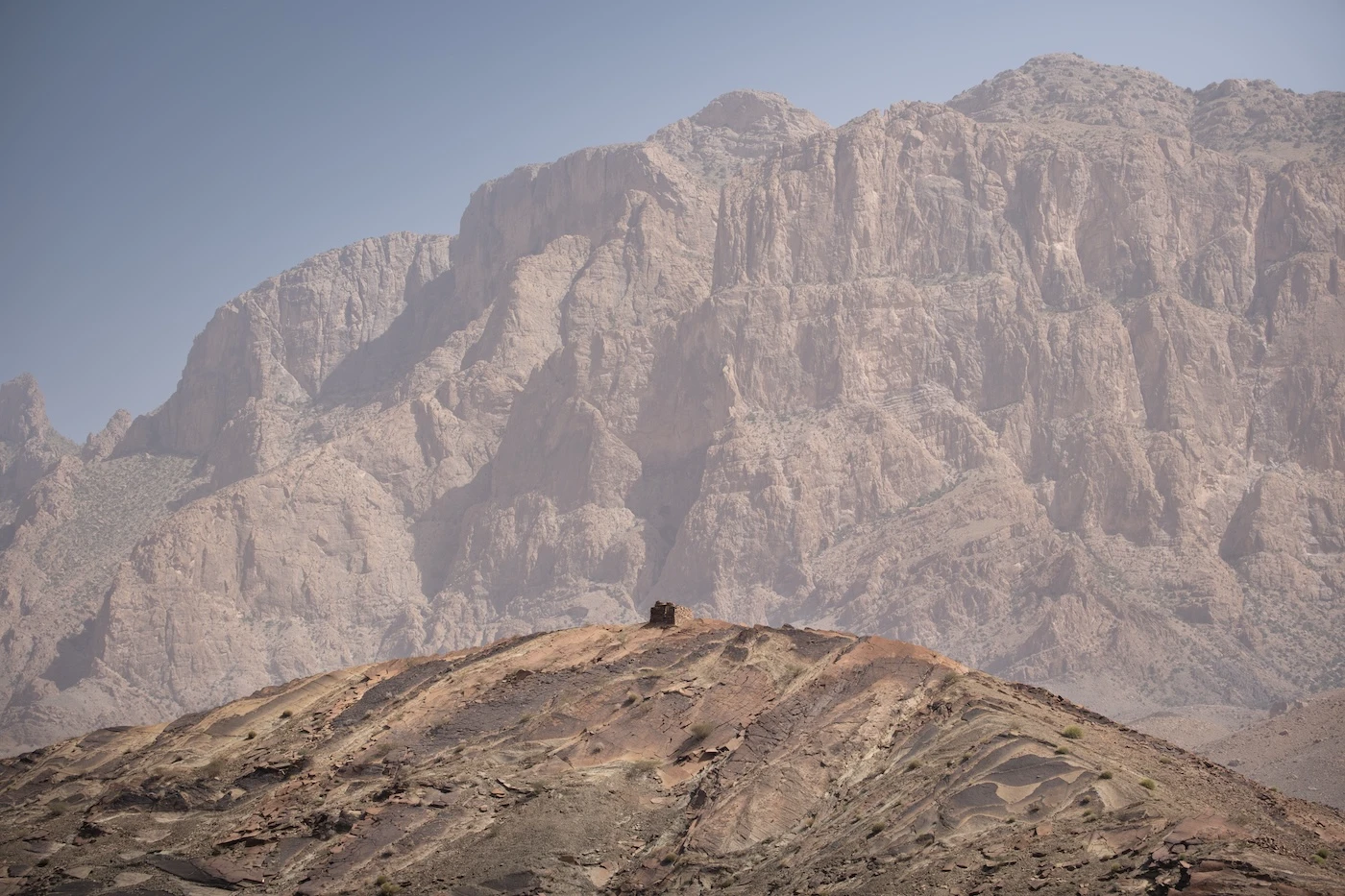
One research method I always use when visiting a new country is to check out what UNESCO sites they have listed, and then figure out which of them are worth visiting.
I find this often highlights some cool places or features of a country that are a little less visited (or extensively visited for good reason!). Some are just fantastic little introductions to a small segment of local history that you may never have come across otherwise; whereas others can be a bit hit-or-miss.
Oman was no exception: it currently has five UNESCO designated sites, and some are definitely worth more of your time than others, like Bahla Fort. Several are totally under the radar but cool additions to an itinerary, and a few, in my opinion, are not worth going massively out of your way for.
I’ve been to all five, so have done a quick rundown on what they are, where they are near, what else to combine with to make a visit worthwhile, and which I thought were the most interesting!

This post may contain affiliate links. If you book through these links we may make a small commission at zero cost to you. It helps us pay for the upkeep of this blog. Thank you!
Why Oman’s UNESCO Sites are Complicated to Visit
Three of Oman’s five UNESCO sites are spread out over various locations. They’re not just one spot that you can pop into, take a look around and leave, like the Colosseum in Rome. For example:
⬩ The Land of Frankincense site is spread out over 100s of miles if you wanted to see everything included within it.
⬩ The aflaj irrigation site comprises five separate locations, in two different mountain regions and on opposite foothills.
⬩ Finally, the ancient necropolises around Bat are spread out across the mountains for many miles, many not even marked.
Some places also have very little on-site information, so you’ll need to come with a strong imagination and a solid idea of what you are looking for (which I think adds to the adventure, but it depends on whether that’s your idea of a fun day!).
Did You Know About Oman’s Sixth Site?
Oman has actually had six UNESCO sites throughout its time. However, it’s the first country in the history of UNESCO to have a location removed from the list.
In 1994, the Arabian Oryx Sanctuary was added due to its unique habitat for threatened species (the Arabian Oryx are actually entirely extinct in the wild in their natural home). However, UNESCO officially removed the designation in 2007 due to habitat destruction and poaching – the endangered oryx population had reduced from 450 to just 65 as oil was found on the protected reserve.
I haven’t been to this particular site because I don’t think it’s worth it (at least for me). It’s situated down roughly 50 kilometres of unpaved road in the middle of nowhere outside Duqm, along Oman’s central coastline. (I’ve been to Duqm a few times and it’s wildly remote – it reminds me of Saudi Arabia’s Dammam, but tiny and with way less stuff).
The site appears to consist of a zoo-like enclosure area with a 5 OMR entry fee. You also (apparently) need a permit and a guide if you want to leave the enclosure area, costing 25-40 OMR.
Honestly, you’d have to be a super big fan of the Arabian Oryx to head out there – and I’m just not that into it (you can see them elsewhere in Arabia for far less hassle, too!).
1. Bahla Fort
Bahla Fort is the most frequented UNESCO site in Oman and, in my opinion, the one most worth visiting if you’re a first timer to the country.
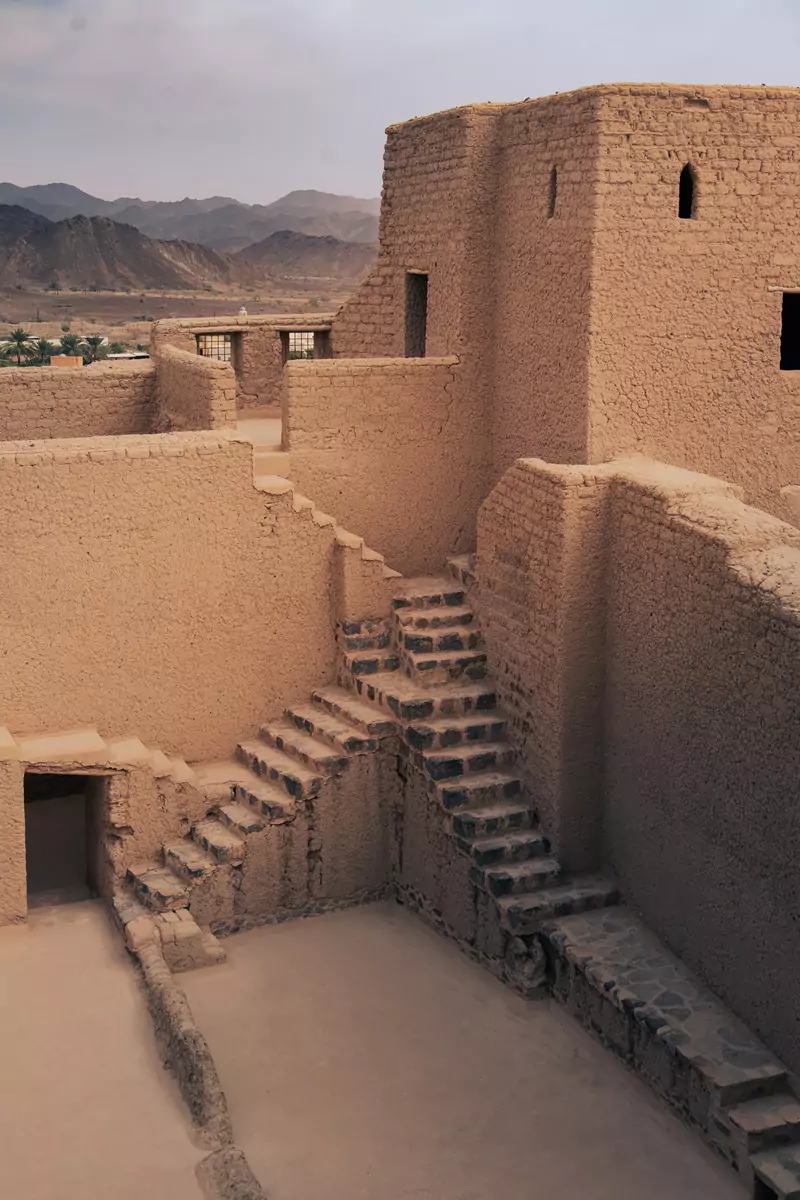
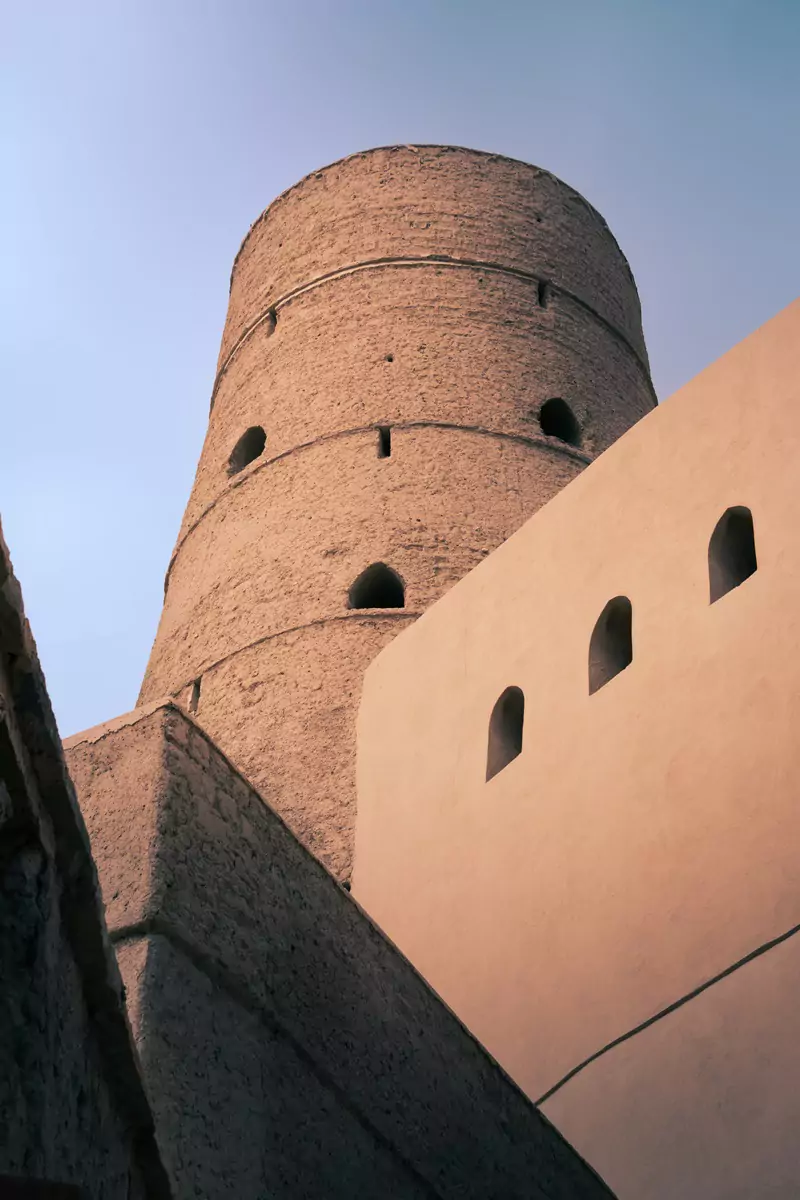
It’s Oman’s largest fortification and first UNESCO site (designated in 1987). The feeling of walking into the entrance is just crazy: compared with other Omani forts the structure is absolutely enormous. Although there’s not much in the way of signage, I think it’s well-worth the 4 OMR entry fee to have a bit of an adventure around due to the scale and surroundings alone.
The mudbrick construction was originally built way back in the 1100s, so it’s not just the largest fort in Oman but also one of the oldest, too – so it’s a great choice for history buffs (although you’ll probably be wanting a guide if you didn’t manage to research about it beforehand).
Worth Visiting?
Yes, Bahla Fort is definitely a good choice for your trip, as long as you’re spending time in Nizwa (which is the fort’s closest major city).
Get over to Bahla and explore the fort, grab a coffee or meal at Kmkan Café, and check out the adjacent souq if you’re there in the evening.
GOT MORE TIME IN OMAN?
Explore some more wadis:
Take a look at our 14 favourite wadis
Hike Oman’s favourite Wadi Shab
Live in a fairytale at the Wadi Damm pools
Drive through rivers in Wadi Dayqah
Explore the quirky white pools of Wadi Abyad
or the magnificent waterfalls of Wadi Darbat
Explore the cities and mountains:
Feel intrepid on an Oman offroad mountains itinerary
Discover what dramatic means with this Salalah itinerary
See some offbeat spots around Sur
Explore Oman’s cultural heart in Nizwa
Prepare with our Oman driving guide
–
2. Archaeological Sites of Bat, Al-Khutm and Al-Ayn
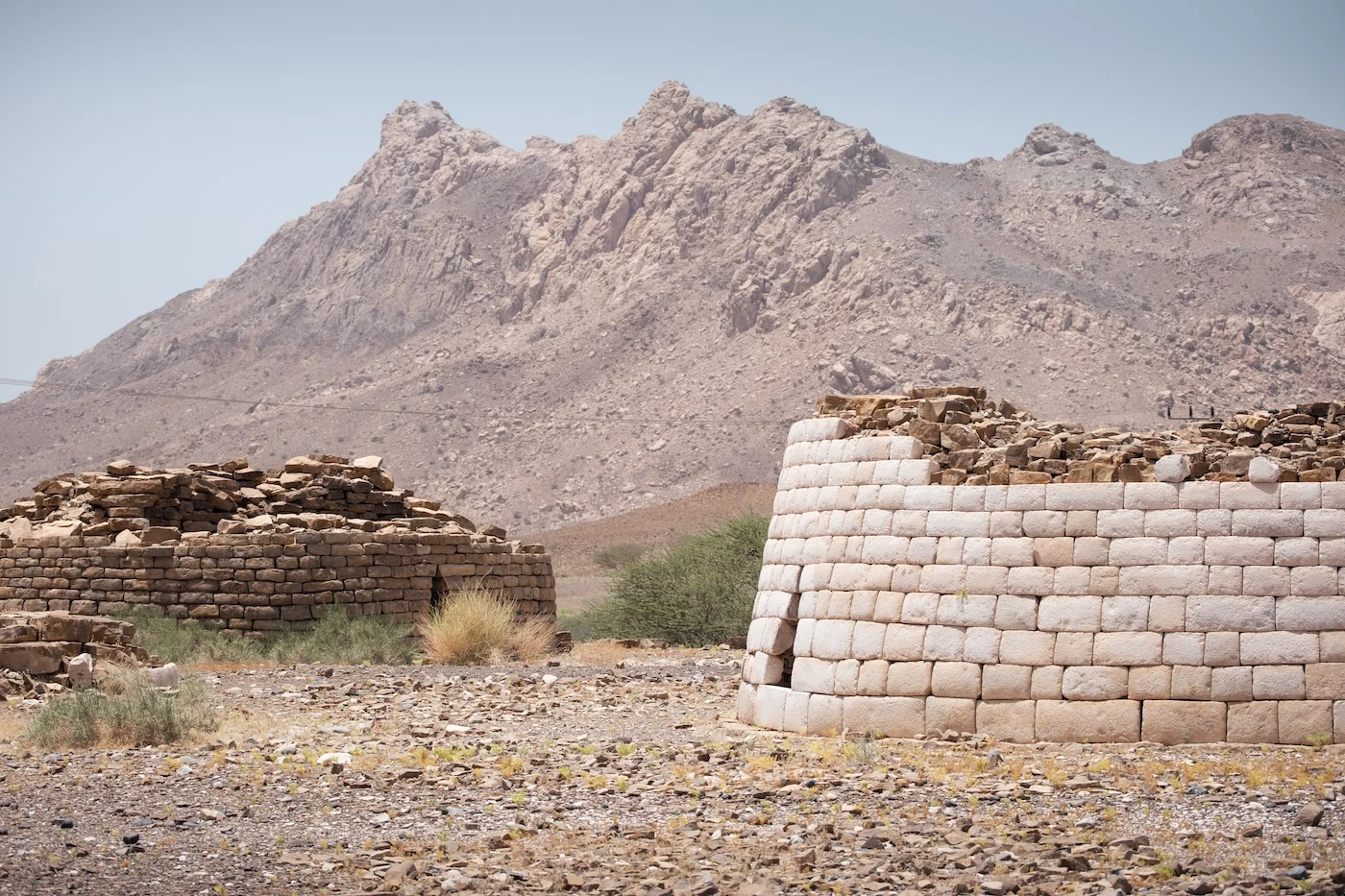
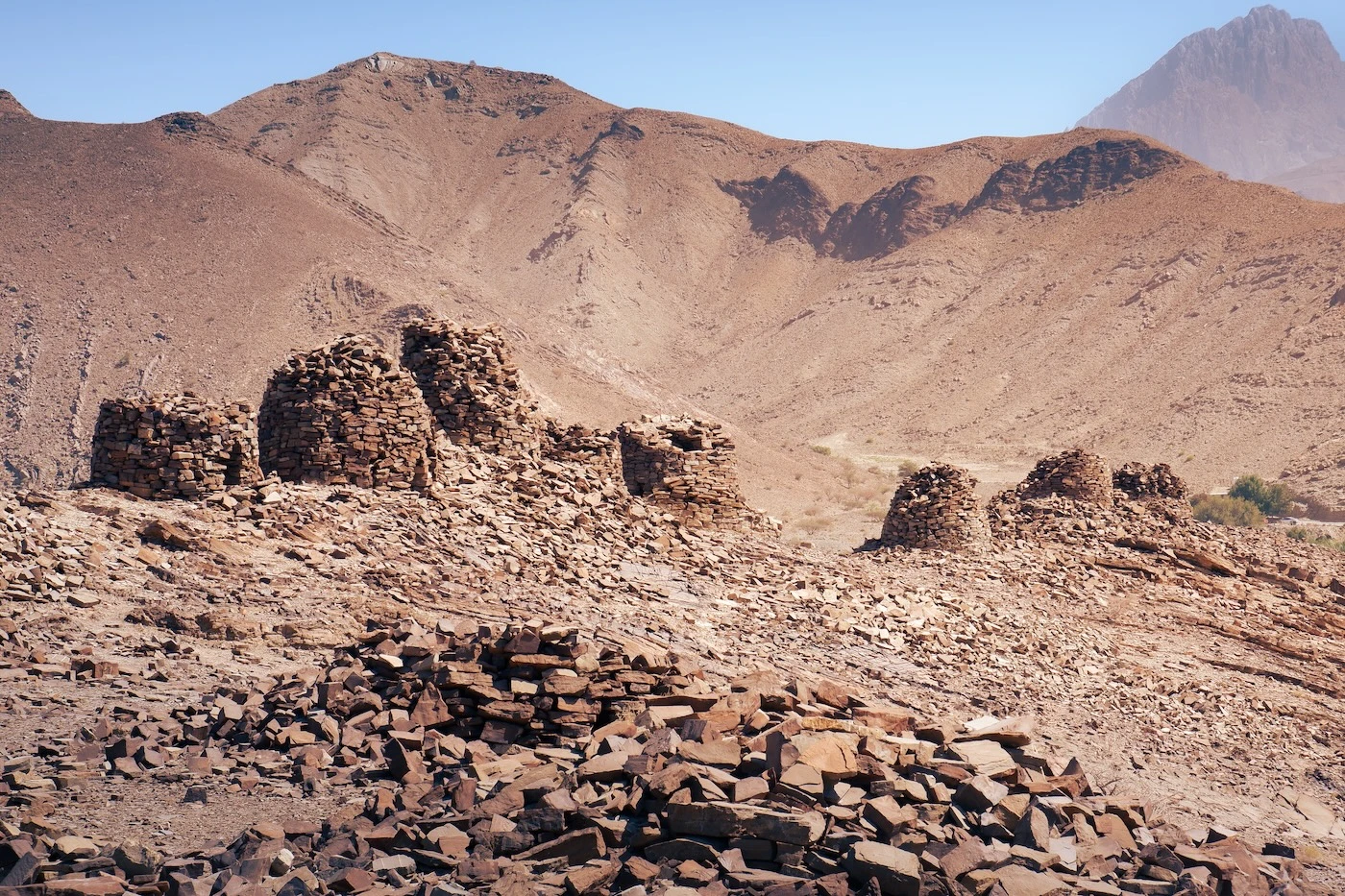
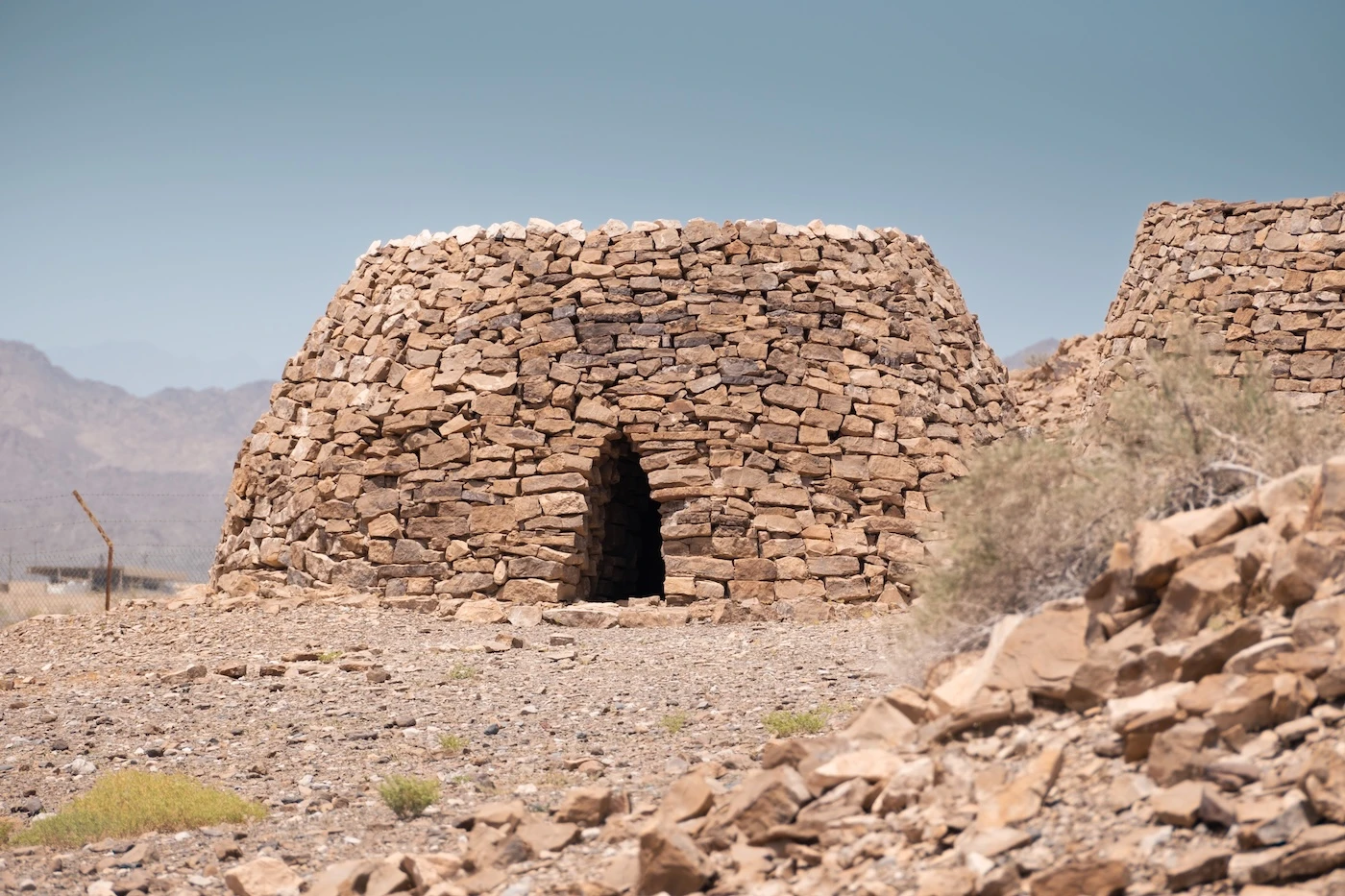
This site is home to some seriously old tombs – like four- to five-thousand-year-old structures. They’re some of the oldest Bronze Age structures in the world and really worth visiting, but only if you’re into big piles of rocks and have a banging imagination.
Designated in 1988, just a year after Bahla Fort, this site is far less glamorous and obvious to tourists, and few people ever visit.
The UNESCO area is actually spread across three separate places. The first, Al-Ayn, is reasonably easy to access and found near Jebel Shams, the second two at Bat and Al Khutm are a little more isolated and hidden down 25 kilometres of washboard dirt tracks.
Worth Visiting?
I’ve been to each of the three individual sites several times and have mixed feelings about them.
Al-Ayn is certainly worth visiting if you’re in the area since it’s quite accessible but, for the other two, you really have to be an archaeology fan (or just love wild car adventures, like me). You’ll want to have enough time on your itinerary to justify it and be comfortable with the unpaved road access (along with physically finding your way into the Bat site!).

We’ve always found the best car rental prices for Oman on DiscoverCars. It’s our go-to car comparison website for every road trip because they have such good insurance. You can save loads of money and get great-priced comprehensive coverage.
3. Land of Frankincense
This site, located in the far southern Governorate of Dhofar, is a mishmash of all sorts of areas that contributed to the history of the Frankincense trade over thousands of years on the Incense Road. (It’s just like the Silk Road, but a caravan route for luxury goods such as frankincense and myrrh, plus stones, pearls, and spices through Arabia to the Med and Africa).
The Land of Frankincense was inscribed on the UNESCO list in 2000 and is the only one in southern Oman.
It includes a very cool ancient port city called Sumhuram in a striking estuary called Khor Rori and the Al Baleed Archaeological Park in Salalah, home to the ancient port city of Zafar (where the present-day name of Dhofar came from!). There’s also a super random tiny caravan oasis called Ubar located in literally the middle of the Empty Quarter desert.
Worth Visiting?
It’s mostly worth visiting.
If you’re in Salalah, I think it’s worth going to Al Baleed Archaeological Park and the accompanying museum. It’s a large site and worth the 3 OMR entry if you’re into history. There’s loads to see and learn, the setting is really pretty and access is crazy easy, since it’s basically right in the middle of Salalah. Be aware that the ruins are very ‘ruin-y’, so use your imagination.
The ancient city of Samhuram and Khor Rori are definitely worth visiting purely due to their iconic setting (entry fee of 2 OMR per car). You might be lucky enough to see a train of camels crossing the sand bar! It’s also right next to one of Oman’s coolest wadis – Wadi Darbat, which is a standout site in Salalah and should be on anyone’s list.
Ubar is a strange one and I wouldn’t recommend a trip into the empty quarter alone unless you’re really into weird sandy adventures (like me).


4. Aflaj Irrigations Systems
So, at first glance, this doesn’t necessarily seem like that interesting a stop – I mean, it’s just some irrigation channels. However, if you’re arriving from a damper climate, you’ll quickly learn to appreciate how sparse water sources are in Oman and why this irrigation method was so life-changing (and continues to be).
Aflaj is the plural form of ‘falaj’, which denotes the irrigation channels you’ll see all over northern rural Oman (it literally means ‘split into parts’ apparently). These channels are quite miraculous and span multiple kilometres (sometimes more than 20 kilometres, I was told!) and are up to five thousand years old – with 3000 or so of them still being used to supply water to homes, crops, and mosques. It’s all very cool stuff.
Worth Visiting?
Yes, these are kind of worth visiting.
But, here’s the thing: there are thousands of these channels. Thousands. You can see them absolutely everywhere, especially in the mountains, so you don’t really need to go to the actual UNESCO spots to understand their significance.
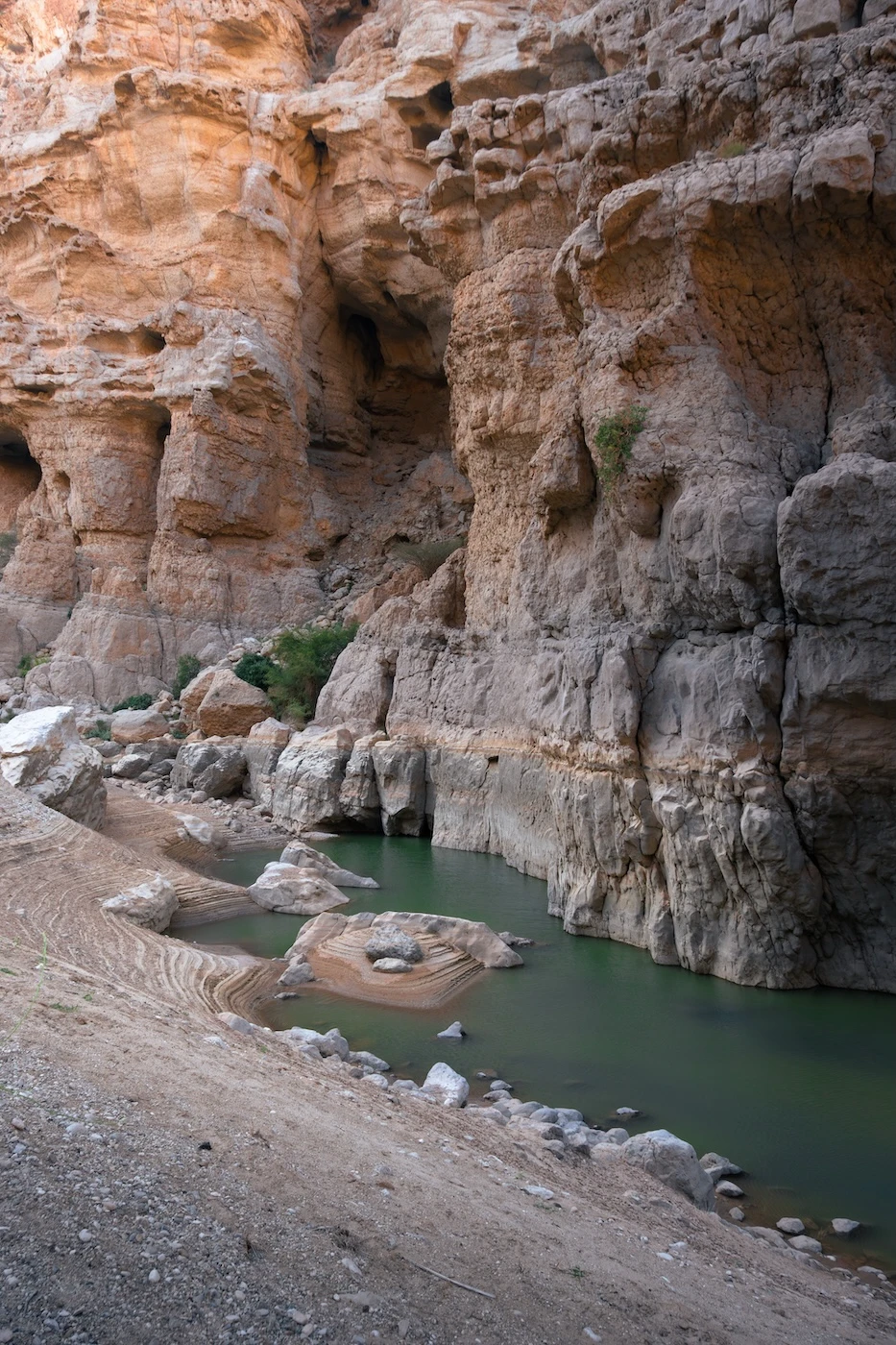
For example, there is a falaj channel running the length of the fabulous Wadi Shab, so you’ll see one there. There’s also a very pretty one in Misfat Al Abriyeen, which lots of tourists visit.
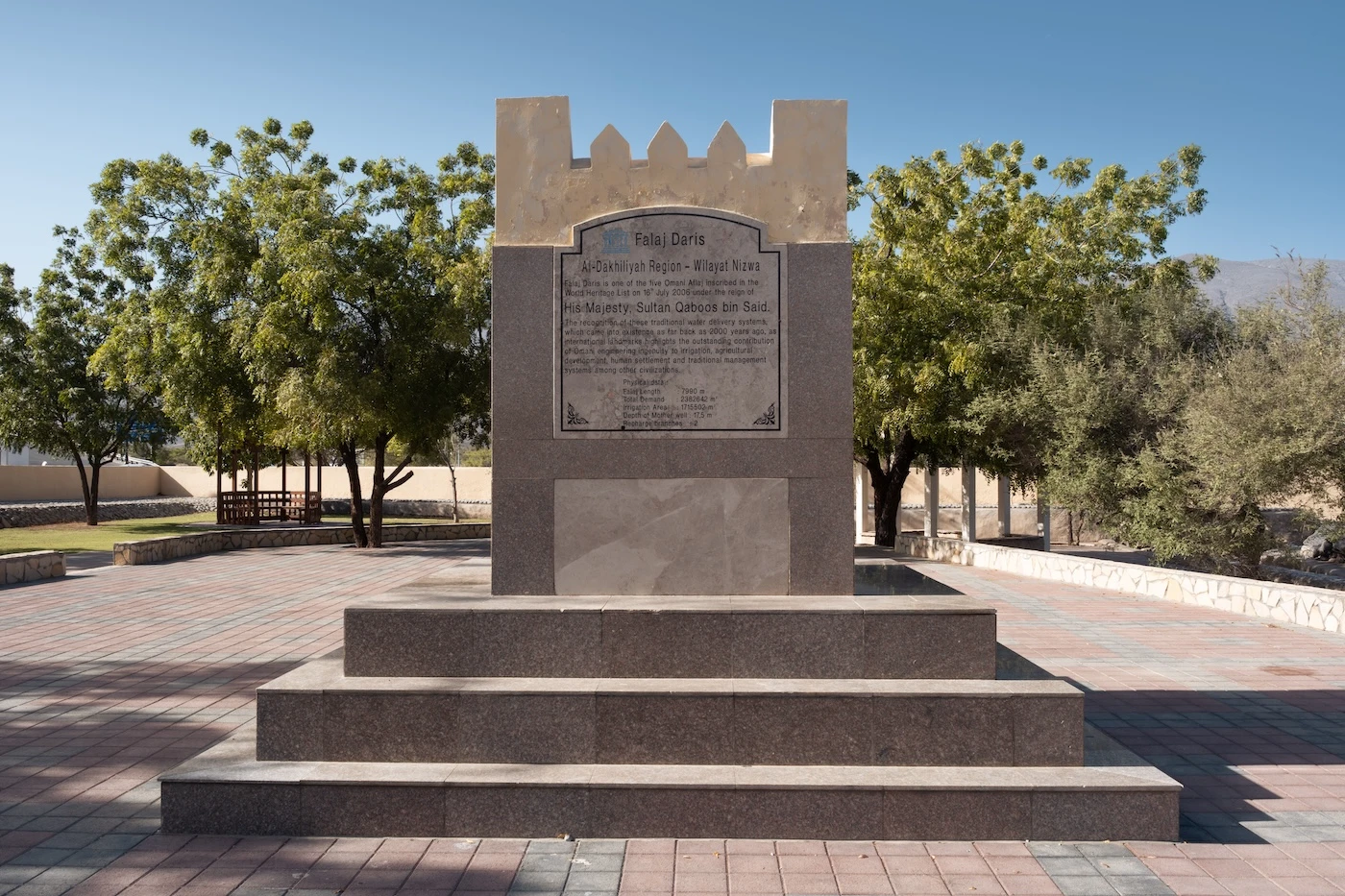
If you want to check out an actual UNESCO one, the easiest is Falaj Daris, which is right in the middle of Nizwa, situated in a pretty park with a nice café. The other nice option is Falaj Khatmeen in Birkat Al Mouz, which is literally on the way to Jebel Akhdar.
Al Malki (in Izki) and Falaj Al-Mayasser (near Rustaq) are less worth visiting unless you’re super keen (they’re not that far out of the way, though, if you want to see all five!).
Falaj Al-Jeela in the eastern Hajar Mountains is quite hard to get to and I wouldn’t recommend a visit unless you’re on an awesome Omani offroad adventure to the Jaylah Beehive Tombs in a 4WD car.
GOT EVEN MORE TIME IN OMAN?
Go camping:
Sleep under the stars at these amazing wild camping locations
Plan your trip with our Oman camping guide
Camp atop Oman’s highest mountain
or camp in the palest of Oman’s deserts at the Sugar Dunes
or have a totally unique adventure:
Spot the most remote beehive tombs in Oman
Wander around Oman’s most photogenic fort
Learn about livestock at the Nizwa goat market
Take a look around Oman’s most unique fortification
Drive up Oman’s most popular mountain
–
5. Ancient City of Qalhat
This one is puzzling.
I know that Qalhat was designated a UNESCO site in 2018 because, as part of the Kingdom of Hormuz, it was a super-significant trading city between 11-15th century and was both visited and written about by Marco Polo, but there’s honestly not much there any more.
The most obvious spot to see is the Bibi Maryam Mausoleum, which I actually visited out of curiosity on my first trip to Oman years ago because you can literally see it by the side of the Muscat-Sur Highway! It’s a small, 14th century Islamic tomb that sits atop a hill and is currently in a state of disrepair/restoration.
On Google Satellite, you can kind of see the structural remains of what used to be buildings for the ancient city, but it’s not designed for visitors and there’s currently nothing to see and the site is technically closed.
If you want to see the mausoleum, you can cross the wadi from the north in your car at 22.697946, 59.370055 and drive up to it (best to have clearance on your car here). There might be a security guard, but they’re chill and will let you take a look around. Other than that, there’s really not much else to do.
Worth Visiting?
Not really.
You’ll likely drive past the mausoleum on the way from Muscat to Sur if you take a road trip, so could pop by or just enjoy it from the road, but there’s nothing else to see here.
Map of Oman’s UNESCO Sites
Below is a saveable Google Map of all the UNESCO sites in Oman we’ve mentioned above.
To save this map, select the star next to the title.
HAVE WE HELPED YOU PLAN YOUR OMAN Adventure?
If you’ve found our content helpful, consider booking your rental car (if you need one!), through the company we always use – Discover Cars. They’re the absolute best and have been our rental companion (and savior, thanks to their insurance) in many destinations across the world.
Also, consider booking your accommodation through Booking.com – we use them exclusively when travelling in the Middle East.
Alternatively, leave us a tip to say thank you.
Help like this makes it easier to pay for the upkeep of this site and ensures our small business survives the onslaught of AI!
Thanks for reading.
–
Where to Next?
Oman doesn’t have that many UNESCO sites and none of them are particularly famous (although that is why I found some of them particularly exciting to visit!).
I hope this helps you decide which ones suit you best.
If you’re arriving into Muscat, we’d definitely recommend having a read of our two-day city itinerary, that covers everything you need to know, including some great food recs, the best viewpoints, and a few things to skip.
Have a great trip!
Hi, thanks for visiting our blog! If this post has been of help to you, or you’ve just enjoyed our random ramblings and musings, say thank you by buying us a coffee! It helps keep The Restless Beans blog up and running.
Thank you, Claire + Nick


