

· MIDDLE EAST · OMAN ·
The 10 Best Day Trips from Muscat (popular and offbeat ones)
Scribbled by Claire ⬩ 27 Sep 2025
Muscat, Oman, is a truly magnificent city (it’s one of my all time favourites!). However, there is so much more to experience beyond its boundaries than most people realise. So, if you’ve got a few spare days in the city, we’ve written about the best day trips available, including the most popular spots and some less touristy options, with choices for both self-driving and tours.

Oman’s capital is a popular spot for a quick Middle Eastern stopover, and rightly so. However, this means that loads of visitors will only check out the Muscat city highlights for a day or two before dashing on with their journey, missing all the best bits.
They honestly don’t realise what they are missing – Oman is one of the most exhilarating, scenic, hospitable countries I’ve ever had the pleasure of spending time in.
As a day trip from Muscat, there are options to explore crazy photogenic mountain top settlements like Wakan Village, chill out in rarely-visited wadis like Arbeieen, explore crowd-free forts like Samail Castle, experience the frenetic livestock market of old town Nizwa, or even take an intrepid adventure to some super-remote 4000-year-old cliff edge tombs.
Maybe you fancy watching the sunrise atop the highest mountain in Oman, or swimming under waterfalls in a concealed cave? You might just plan on meandering aimlessly through Oman’s famed offroad mountain trails for a day.
It’s all a bit rogue and incomparable to anywhere else – Oman has an untouched, adventurous, outdoorsy vibe that never stops astonishing me, even after nearly three months spent traversing the country. The best part is that all of this can be done from Muscat!
So, here, we’ve collated all of the coolest things you can do for a day while based in Muscat, well beyond all the typical day trip itineraries you’ll see elsewhere (although we’ve included those, too. After all, they’re popular for a reason).

IN THIS GUIDE //
(Day) Adventures from Muscat
Getting Around Beyond Muscat
1. Wadi Qurai and Samail Fort
2. Nakhal Fort, Wadi Al Abyad and Wakan Village
3. Nizwa and the Livestock Market
4. Dayqah Dam and Wadi Arbeieen
5. Wadi Shab and Bimmah Sinkhole
6. Jebel Akhdar, the Sayq Plateau and Birkat al Mouz
7. Jaylah Beehive Tombs and Salma Plateau
8. Jebel Shams
9. Daymaniat Islands
10. Wadi As Sahtan, Wadi Bani Awf and Little Snake Canyon
Bonus: Big Snake Canyon (Wadi Bimmah)
Where to Next?
This post may contain affiliate links. If you book through these links we may make a small commission at zero cost to you. It helps us pay for the upkeep of this blog. Thank you!
Getting Around Beyond Muscat
Every one of the day trips we list below is best done by rental car.
Anyone who claims that there are other affordable ways to get around Oman is inevitably going to suggest you take a tour as an alternative. These generally cost far more than getting a rental (most websites make more money selling tours than cars, so there’s an implicit bias there).
So, we are not going to spam you with a million links for the same tours (I hate that kind of post – you know, where someone regurgitates the identical information from a tour website).
However, there are some excellent organised day tours which are absolutely ideal if you can’t or don’t want to drive. Here, we’ve provided the best-reviewed tour options for the entries below where available. However, we highly recommend driving around Muscat, if possible, especially if you are travelling as a group. The country has fantastic roads, minimal traffic, decent drivers, plus it saves you lots of money!
For more information on self-driving in Oman and so you know what to expect, have a look at our comprehensive guide we wrote after driving 18,000 kilometres across the country (spoiler: it’s really easy!).

1. Wadi Qurai and Samail Fort
Best for: absolutely no crowds, a shorter day, variety, not serviced by tours
If you’re looking for the ultimate tourist-free wadi-fort combo, consider visiting the beautiful Wadi Qurai, followed by Samail Castle.
Situated just an hour south from Muscat by road, these two sites are located on opposite sides of the main route 15 towards Nizwa.
Wadi Qurai is a minimally visited wadi with a cool canyon hike that follows a falaj (irrigation channel) up to some clean, bright blue pools and waterfalls. It will take around 1-2 hours, depending on how long you spend hanging out at the end.
It’s possible to do this hike without getting wet, at all, unlike a lot of other wadi hikes (although I fell over in a falaj, so was not so lucky. Be careful, they can be very slippery!).
Samail Castle is a magnificent structure built into the mountains within a huge, scenic palm-filled wadi. The views from the top are outstanding. We’ve written a little about this mysterious fort on our Samail Castle photo guide if you want to check it out. It’s a spectacular option for photographers as it’s totally empty!
If only one of these stops interests you, they can always be added onto a trip to Nizwa (see below) or done as a half day trip from Muscat.
Car: both can be visited with a low clearance sedan rental.


2. Nakhal Fort, Wadi Al Abyad and Wakan Village
Best for: variety, scenery, cultural experiences, geology fans
This is another interesting day trip combo – the striking Nakhal Fort, the thinly visited and rather curious Wadi Al Abyad (known as the ‘White Wadi of Oman’), and the popular cliff top settlement of Wakan Village.
This combination of stops are ideal for an alternative day trip and offer an insight into rural communities of Oman, while providing vastly different scenery and adventures, just over an hour west from Muscat on either side along Route 13.
Nakhal Fort
This is one of my favourite forts in Oman (I much prefer it to Nizwa Fort, for example). It has recently re-opened after an extensive renovation period that went on for (what felt like) a million years (there’s lots of new displays and informational signs now). There are also incredible views from the ruined towers south-west of the Fort (although there was a dead goat in one of the towers when we visited).
Entry is 3 OMR for non-GCC visitors and a visit will take 1-2 hours.
Wadi Al Abyad
The entire of Wadi Abyad is a geological fascination, with bright white pools and some really interesting science behind them (we’ve written more about it on a dedicated post). They’re along a mostly dry riverbed, so you’ll need a four-wheel drive vehicle to get there and then it’s an easy 15 to 30-minute hike.
You don’t need to get your feet wet! This trip will take around two hours, depending on the state of the wadi.
Take a look at our Abyad post about it to see if it’s something you’d want to explore.

Wakan Village
Wakan Village is located in the Ghubrah Bowl – a crazy scenic, closed ring of mountains with only one access in by road.
The village is situated 2000 metres above sea level with panoramic views of the mountain ranges, backing onto the Sayq Plateau and Jebel Akhdar. Access is by four-wheel drive only (it’s an easy drive, though, we’ve never actually engaged four-wheel drive to get up here). There are men that will drive you the short journey up to the top if you don’t have an appropriate car.
It’s the perfect place to take a hike through the picturesque settlement, followed by scenic date palm plantations along the aflaj (irrigation) systems, and eventually as far up as you want to go towards Jebel Akhdar (officially the Oman hiking route W25 – follow the painted red, yellow and white markers).
Parking at the top of the mountain road is free, but can be tight, and the walk around the village, plantations and mountains can take as long as you’d like! We’d recommend at least two hours here to hike up behind the village for the best views.
With More Time
If you have any time spare at the end of the day, or want to skip Wadi Al Abyad due to the four-wheel drive requirements, consider checking out Rustaq Fort further down Route 13. It’s also magnificent, but under renovation at the time of writing (and it might be for some time if the other forts’ timelines are anything to go by!). Check on Google to see if it’s re-opened for your visit.
Car: Nakhal and Rustaq Fort are okay for any car, Wadi Al Abyad and Wakan Village require four-wheel drive.


3. Nizwa and the Livestock Market
Best for: ease, flexibility, hitting those Instagram spots, cultural experiences, not so physical
If you only do one thing in Oman outside of Muscat, ensure to visit the cultural heart of the country, Nizwa. Known for its eponymous fort, souq, and historic goat market, the city is a far cry from Muscat’s metropolitan buzz and style.
The livestock market is particularly worth visiting if you are available on a Friday morning. Have a read about why we loved it and how to visit.
However, Nizwa is not just an interesting town in its own right but is also surrounded by about a billion different, very cool, things to do. There are forts and castles, wadis, mountain passes, museums, abandoned villages, heritage stays, and off roading. It’s an implausibly interesting area.
If wadis are of interest to you, take a look at wadis around Nizwa and wadis around Muscat.
If I were to visit Nizwa for one day from Muscat, I’d go to Nizwa Fort, then drive via Jabreen Castle and Bahla Fort to Misfat Al Abriyeen and hike through the aflaj irrigation systems for a few hours, then head to Old Al Hamra to watch the resident teenagers race their horses at sunset.
With some spare time on a hot day (or if you have less energy), I’d check out the Oman Across Ages Museum.
For more ideas about what to do around Nizwa, have a look at our exhaustive list of favourite things to do in the area.
Car: any.
Tours: most tours from Muscat visit Nizwa Fort and Souq, then add on something in the nearby area, like Bahla Fort, Al Hamra or Jebel Shams. They’re all worth a visit, so choose whatever is most appealing!

4. Dayqah Dam and Wadi Arbeieen
Best for: views, minimal crowds and harder hikes (and fantastic for families if you avoid the hard hike!)
This is another awesome day trip combination of crazy nature, consisting of a giant dammed-up, emerald lake with epic mountain views, a beautiful, challenging wadi hike and a short but adventurous drive.
Dayqah Dam
Less than 1.5 hours from Muscat is the minimally visited, highly accessible Dayqah Dam, which provides Muscat with its drinking water (did you know you can drink the tap water there?). The reservoir is obviously manmade but is crazy pretty and also the largest dam in Oman.
It’s perfect for families, picnics and has magnificent views from every angle.
Wadi Arbeieen
Another 50-minute-drive down the road from the dam is a cool, lesser visited canyon hike to some pretty wadi pools, at Wadi Arbeieen (there are so many different spellings but if you put this into Google, you’ll find it).
This hike is quite strenuous (several hours), leading through a rocky canyon to some stunning, blue pools and a waterfall. You can choose to hike part of it or stick to the pools near the parking at the beginning (they’re really beautiful). Either way, the scenery is superb and well worth the trip. The wadi is also adjacent to a friendly village (we were invited in for free oranges, tea and dates).
With More Time
If you don’t do the long hike in Wadi Arbeieen you’ll probably have some spare time, so check out the Bimmah Sinkhole (mentioned below) and the adjacent coastline (it’s a lovely place for a late afternoon picnic) before heading back to Muscat.
Car: Wadi Dayqah can be reached with any car type. A four-wheel drive isn’t strictly necessary to reach Wadi Arbeieen on the unpaved tracks, but high clearance is very helpful, and it’s a more comfortable drive with a bigger car.


GOT MORE TIME IN OMAN?
Explore some wadis:
Take a look at our 13 favourite wadis
Hike Oman’s favourite Wadi Shab
Live in a fairytale at the Wadi Damm pools
Explore the quirky white pools of Wadi Abyad
or the magnificent waterfalls of Wadi Darbat
Explore the north:
Feel intrepid on an Oman offroad mountains itinerary
Discover what dramatic means with this Salalah itinerary
See some offbeat spots around Sur
Explore Oman’s cultural heart in Nizwa
Prepare with our Oman driving guide
–
5. Wadi Shab and Bimmah Sinkhole
Best for: Insta spots, blue waters, anyone without a car, swimming, easy adventures
This awesome combination is almost certainly the most popular day trip from Muscat (and if you’ve been on Instagram any time in the past five years, you’ll probably recognise them).
Note: be aware that Oman is rarely a particularly busy place, but Wadi Shab is one major exception to this! At mid-afternoon on a weekend, it feels like an actual zoo. However, there’s a reason for that – it’s crazy beautiful, reminding me of some slot canyon hikes in Utah but with insanely blue waters all the way through.
Wadi Shab is reached by a 1.5-hour drive from Muscat, via the Bimmah Sinkhole, which is exactly what it says – a sinkhole that is filled with water. It’s not that spectacular, but worth visiting on route. (We’d recommend visiting the sinkhole on the way back so you can arrive at Wadi Shab earlier in the morning).
The wadi hike is around 45 minutes each way, and there’s a bunch of swimming through three deep pools if you want to get to the end (although you don’t need to do this to appreciate it how pretty it is). At the end, there’s a sneaky cave home to a waterfall, with access that’s less than a foot across!
The entire canyon is spectacular – have a read about our experience to see if it’s for you (spoiler: I managed to reach the cave and I can hardly swim, so you probably can too).
With a bit more time: you can also pop via the Dayqah Dam, too, on route (mentioned above).
Car: a standard, low clearance sedan is fine for this route.


6. Jebel Al Akhdar, the Sayq Plateau and Birkat Al Mouz
Best for: lower temperatures, abandoned villages, easier hikes, viewpoints, offroad adventures (so, basically everything!)
Jebel Akhdar, meaning the ‘Green Mountain’ in Arabic, is one of the most popular stops for visitors to Oman. It’s actually more than just a mountain, it’s an entire high-altitude mesa named the Sayq Plateau.
This 2000-metre-high region is far more temperate than the lowlands of Oman, especially in summer, and has become a bit of a respite for residents of Muscat escaping the heat (it’s a 1 hour 45 drive away).
The area has a bunch of tiny villages, including the still inhabited Al Sugra, literally attached to a cliff face, and Wadi Bani Habib, an abandoned village set in a pretty valley (that we hiked way too far into with no water!).
There are also the three main villages – Al Aqr, Al Ayn and Al Shirayjah, which you can hike between, that provide crazy views (way better than Jebel Shams, in my opinion). On your wander, you’ll likely see apricots, roses, pomegranates, and walnuts growing.
If you want to go rogue and offroad, there are loads of amazing options on the west of the plateau, too, with vast panoramas and views down to some of the wadis you can drive from Nizwa. It’s spectacular.


You can easily spend the entire day up on the Sayq Plateau, exploring the different areas. It’s also possible to stay overnight, which we’d recommend, either by wild camping or at one of the many hotels.
Note: there is an army checkpoint ensuring nobody without a four-wheel-drive goes up to the Sayq Plateau (even though the paved road is, objectively, one of the easiest mountain routes in the entire of Oman and at no point have we ever needed to engage four-wheel drive!). There are men before the checkpoint that will take you up and guide you around for a fee, but we wouldn’t recommend this. Instead, take a pre-booked tour because you’ll know the price in advance but also that your guide is qualified. Or, rent your own four-wheel drive vehicle!
In the foothills of Jebel Al Akhdar are the UNESCO designated aflaj systems of Birkat Al Mouz. It’s a region carpeted in date palms and home to several ancient, abandoned mudbrick villages, constructed with date palm joists.
You can explore the villages, take a peaceful wander through the date palms and learn how the irrigation systems dating from 2500 BC has been a consistent lifeline to Omani farmers and villages up to the present day.


7. Jaylah Beehive Tombs and Salma Plateau
Best for: offbeat adventures, no tourists, scenery, exciting offroad driving, mysterious history
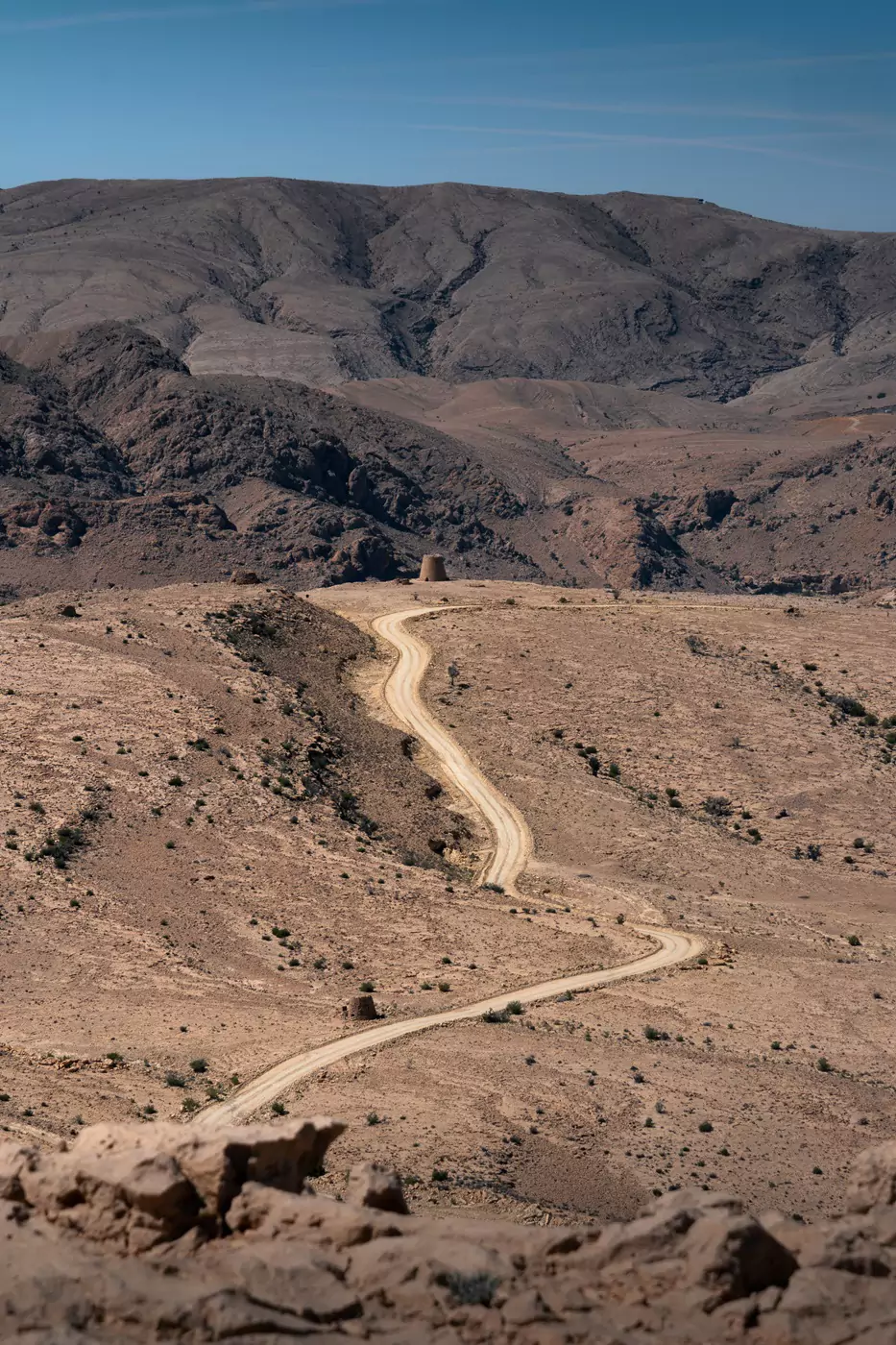
If you’re looking for something a bit odd to do with your day, consider visiting Oman’s mysterious Beehive Tombs!
These neat piles of rocks are hidden in the depths of the eastern Hajar Mountains, with the only access being a few hours of driving through some of the most beautiful, stark and desolate scenery in the country (the drive is as exciting as the tombs!).
Not much is known about the 60-plus tombs, but we’ve written about them on a separate post if you’re interested in checking them out (it also includes driving routes and instructions).
The tombs are located on the Salma Plateau, a wide, open mesa top adjacent to the sea. This is dotted with some world-famous caves, including the enormous Majlis Al Jinn, which has one of the largest cave chambers in the world! Visiting this cave needs some serious pre-organising, including guides, permission and gear (and associated costs), so check it out if that’s up your alley.
This region is a great adventure on its own, but can be combined with the Bimmah Sinkhole and Fins coastline before heading back to Muscat.
For more information on visiting Jaylah’s tombs, have a read of our little guide.
Car: four-wheel drive essential.

GOT EVEN MORE TIME IN OMAN?
Go camping:
Sleep under the stars at these amazing wild camping locations
Plan your trip with our Oman camping guide
Camp atop Oman’s highest mountain
or camp in the palest of Oman’s deserts at the Sugar Dunes
or have a totally unique adventure:
Wander around Oman’s most photogenic fort
Learn about livestock at the Nizwa goat market
Take a look around Oman’s most unique fortification
–
8. Jebel Shams
Best for: canyon views, camping, fun drives, easy hikes
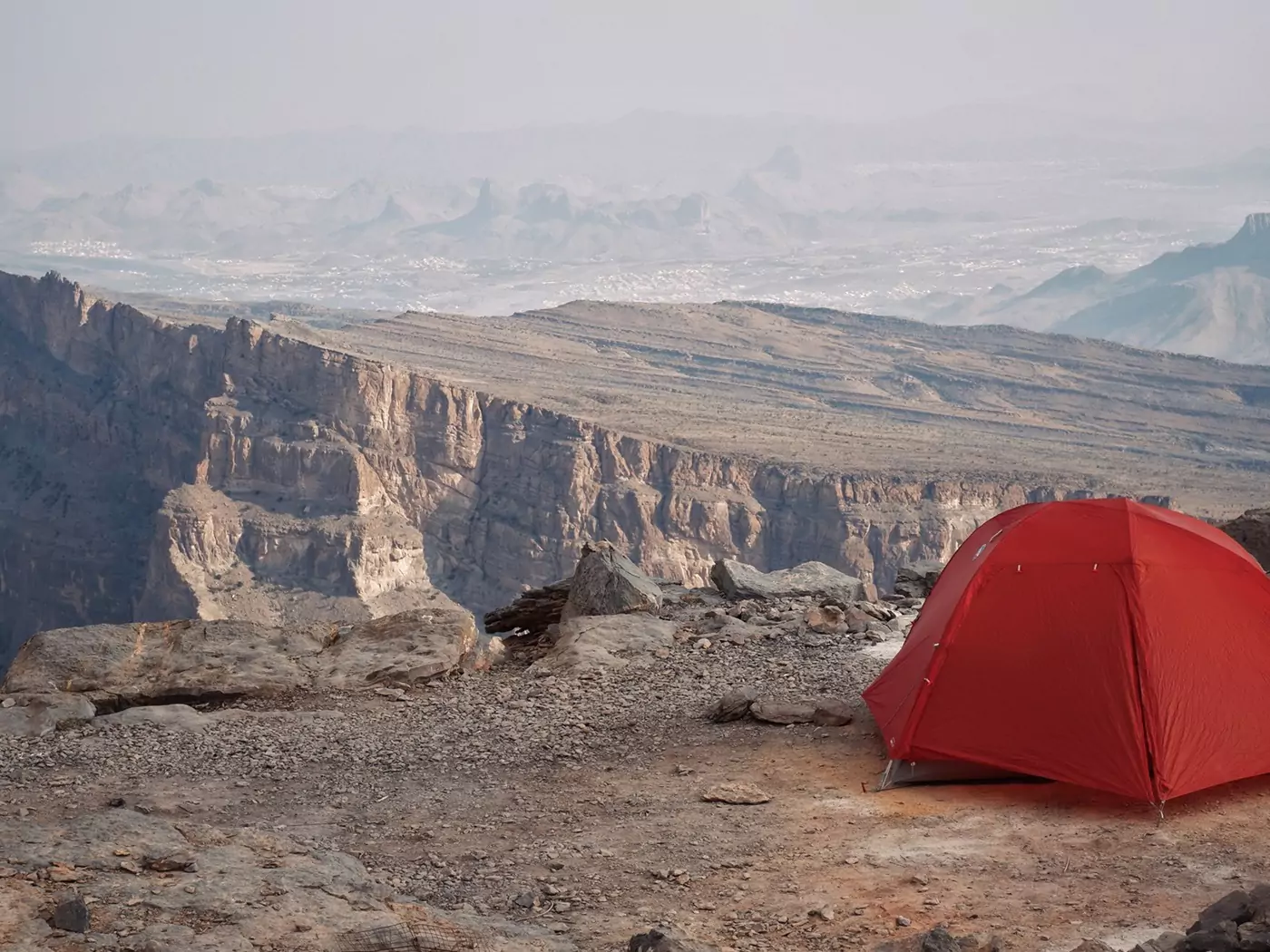
Lots of people arrive in Oman with one goal: to ‘summit’ Jebel Shams, Oman’s tallest mountain. It’s absolutely an achievable goal for anyone, since there are roads that lead right up to the summit (well, as near as you can get to the top, anyway – the military occupies the highest spot!).
The thing is, it’s a three hour drive each way from Muscat. Now, that’s totally doable in a day, and it’s a pretty cool mountain with panoramic views, but I’d highly recommend you visit from Nizwa if you can because that is one long day.
If you can’t, and you’re dead set on visiting from Muscat, don’t worry – lots of people do this.
There are some very highly rated guided tours that take you to Jebel Shams via Nizwa to see the fort and souq, then carry on to the summit. This is an excellent idea if you don’t want to drive all that way yourself.
If you do want to drive yourself, we’d recommend driving there via Old Al Hamra, the pretty ruins at Ghul, and walking the relatively easy four-mile Balcony Hike at the summit (called W6) that traverses the edge of the canyon (watch for goats that’ll try and steal your food).
Then, if by some miracle you have any time on your way back to Muscat, stop off at Jabreen Castle (it’s very cool at night).
If you’re up for an adventure, we’ve written about camping on the summit, which describes the best spots to set up your tent. There are also comfortable hotel opportunities on the summit if camping isn’t your thing – our preference is the Sama Heights Resort.
Car: you don’t strictly need a four-wheel drive car to reach the best viewpoints at Jebel Shams. However, the road is a little rough reaching the trailhead for the Balcony Hike. We’d happily do it in any higher-clearance car, because you won’t need to engage four wheel drive, but you will have to drive on a bumpy dirt road.

9. Daymaniat Islands
Best for: islands, beaches, snorkeling
Okay, so heads up, I haven’t done this one. It’s just not by cup of tea (I cannot swim well and the ocean terrifies me – I’m much happier in the mountains).
However, it’s one of the most popular day trips from Muscat, so if I didn’t mention it, I’d be doing this list a disservice.
The Daymaniat Islands are a string of nine tiny islands just forty kilometres off the coast of Muscat. It’s a smashing place to snorkel, check out fish, turtles, birds and even, occasionally, whale sharks!
The oceans are a shimmery transparent aquamarine and the islands have small beachy coves to hang out in. It’s crazy pretty (maybe I’ll go one day and just hang out on land!). It’s a protected area due to nesting turtles, so you’re only allowed on the islands from the beginning of November through April. Outside of these months, you’ll have to stay in the water.
It’s necessary to need to book a tour (obviously), and they generally come with lunch, a guide and snorkelling equipment.
Have a look at the reviews on the options below – these Daymaniat tours are top notch and are often quite affordable compared with others in Muscat.


10. Wadi As Sahtan, Wadi Bani Awf and Little Snake Canyon
Best for: offroad drives, fun hikes, few tourists, best scenery, pretty villages
This is the ultimate exhilarating day trip if you’re looking for wild offroad mountain experiences and epic hikes.
The western Hajar Mountains are home to Oman’s most dramatic peaks (including Jebel Akhdar and Jebel Shams), but it’s the roads and treks within them that really set them apart.
So, if you’re looking for an exquisite day exploring the mountains, then first head for:
⬩ Wadi As Sahtan and route to the tiny settlement of Yasib. This crazy village, just below the summit of Jebel Shams, is hidden in the mountains on a road that clings to the sides of the mountains, with no passing spots and super steep inclines.
⬩ Drive as far as you’re comfortable, check out the insane views from the pass at the top, then head back into the bowl. Set your GPS to ‘Little Snake Canyon Wadi’ and head to this adventurous slot canyon (trailhead at GPS 23.240713, 57.436912) that is explorable without a guide or map. Hike the several kilometres and turn around whenever you’ve had enough (it’s only about a kilometre each way). Your feet may get wet depending on recent rainfall.
⬩ If you don’t hike for long and are good for time, set your GPS to ‘Balad Sayt’ and go visit Oman’s most photogenic village (best photographed in the afternoon for the light).
⬩ From here, we’d recommend the route back to Muscat via ‘Al Hijir’, which leads you through a little visited, but stunning route through the mountains.
⬩ If you miraculously have some spare time, it’s possible to check out Nakhal Fort on your way home.
The roads are all unpaved, often very rough and precipitous, so don’t do this if you’re not comfortable with these types of situations! And, it should go without saying, but only do this in a four-wheel drive vehicle.
It’s our favourite type of Muscat day trip, and I know most people won’t opt for it, but it’s here for the most adventurous!


Bonus: Big Snake Canyon (Wadi Bimmah)
Best for: intrepid adrenaline junkies!
If you want to take on one of Oman’s biggest challenges, then (Big) Snake Canyon is the one for you (it’s not the same as Little Snake Canyon above, but is nearby). I’ve not done this because I cannot cope with cold waters, swimming, or jumping from high ledges, but if that sort of thing sounds like the time of your life, seriously consider a day trip to Big Snake Canyon.
It’s a huge, multi-pronged slot canyon, with walls soaring hundreds of feet up with deep blue pools that you’ve got to traverse. Located in Wadi Bani Awf in the depths of the western Hajar Mountains, it requires a four-wheel drive to reach and is around two hours drive from Muscat.
Realistically, although you are allowed to do this adventure alone, you’ll need to organise this trip through an outfitter who will guide you through and provide all the equipment. It’ll take around four hours to complete a one-way route through.
We’ve hiked this wadi from two different directions until we could go no further without technical gear, and it’s such a beautiful area.
If you love a daring, physical, memorable journey then we’d highly recommend it!


CAR HIRE FOR YOUR MUSCAT TRIP
We always rent our vehicles all over the world, including our recent trips in Thailand, Malaysia, Oman, Saudi Arabia, Tunisia, Jordan and Morocco, with Discover Cars. They’re often the most affordable, plus they paid out immediately on an insurance claim we made when our car took some heavy damage in Sicily. Find out more about why we love them so much!
–
TAKE A LOOK BELOW OR CHECK CAR RENTAL

HAS OUR FREE CONTENT HELPED YOU PLAN A MUSCAT TRIP?
If you’ve found our content helpful, consider booking your rental car (if you need one!), through the company we always use – Discover Cars. They’re the absolute best and have been our rental companion (and savior, thanks to their insurance) in many destinations across the world.
Also, consider booking your accommodation through Booking.com – we use them exclusively when travelling in the Middle East.
Help like this makes it easier to pay for the upkeep of this site. Thank you!
–
Where to Next?
We hope you can find some inspiration in this list of day trips, whether you take a tour or drive yourself. Muscat, and northern Oman in general, is an incredible region with so much to do. Don’t listen to anyone who says they ‘saw everything’ on their one day stopover!
If you’re hanging out in Muscat for a few extra days and want to chill for a bit, check out the city’s best beaches.
If you’re planning a longer trip around Oman, take a peek at our one week road trip itinerary from Muscat which takes you around all the top sites, without the need for a four-wheel drive car.
For a more intrepid adventure, consider an off road adventure through the Hajar Mountains, or even head south to the remote southern coast to explore the tropical, offbeat city of Salalah.
We hope you have an excellent trip!
Hi, thanks for visiting our blog! If our free content has been of help to you, or you’ve just enjoyed our random ramblings and musings, say thank you by buying us a coffee! It helps keep The Restless Beans blog up and running.
Thank you, Claire + Nick


