

22 Unique and Intriguing Things to Do in Oman
Scribbled by Claire ⬩ 09 Aug 2026
Below are our picks for the most quirky, intriguing, or offbeat things to see and do across Oman, split into outdoor-type activities, cultural sites, and other essential spots, to help you plan the best trip to one of the Middle East’s most underrated countries.

I’m not going to lie, I first landed in Oman with about a week’s notice, almost zero research, and my favourite orange tent. Booking my first ever flight to West Asia was a reactionary decision based purely on how much I disliked Latin American churches which, now I write it down, sounds a little bit insane.
This impulsive behaviour meant I had absolutely no idea what this mysterious country had to offer. My notes were scribbled on a scrappy pad of paper, which served as my guide (or didn’t, in reality).
However, this decision led to the best month of my life and, unpredictably, set me on an ‘Oman-obssession’ trajectory.
I think that first, unplanned month meant I saw a lot of the Oman that many people miss because I didn’t follow any strict route or hit all the tourist spots. I didn’t visit Nizwa or Mutrah Fort; I didn’t go to Wahiba Sands, and didn’t take the winding route up Jebel Akhdar.
I’ve since done all those things over my four trips, but going a little off the typical tourist trail has helped me experience some of the coolest and quirkiest things to do in Oman (some more obvious than others!).
So, it was a tricky task, but after my three months and 20,000 kilometres of driving, I’ve narrowed down everything into a 22-item list.

IN THIS GUIDE //
Quirky + Intriguing + Unique Oman
Outdoor Adventures in Oman
1. Swim in the Wadis and Springs
2. See a Pink Lake
3. Stand Atop Oman’s Tallest Peak
4. Have a Beachy, Coastal Adventure
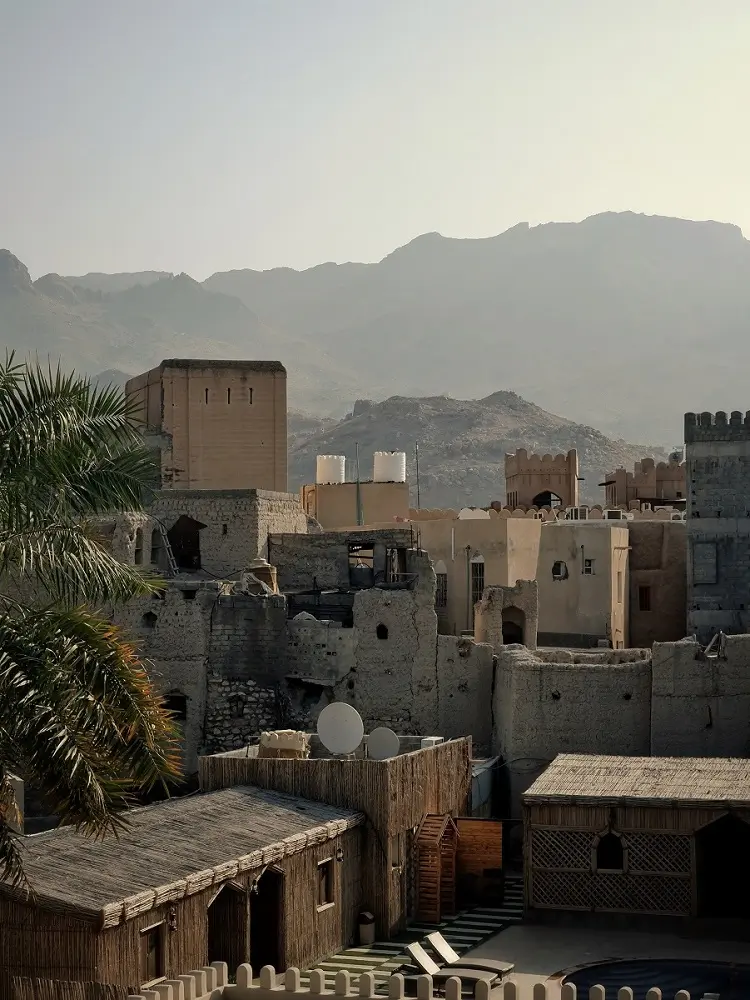
5. Adventure in Some Sand Dunes
6. Explore the Offroad Trails
7. Go Camping
8. Take a Hike
9. Picnic at Dayqah Dam
10. Check Out the Fins Shoreline
11. Search For Travertine
Cultural & Historical Sites
12.Visit Nizwa
13. Spot a Dhow
14. Wander Wakan Village
15. Visit Mutrah’s Waterfront
16. Explore Some (Mud)bricks
17. Discover Some Ancient Beehive Tombs
18. Wander Some Forts
19. Experience the Grand Mosque
Other Quirky Things to Do
20. Explore an Omani Island
21. Hang Out With Some Camels
22. Share Some Dates and Coffee
Quirky Things: Google Map
Where to Next?
This post may contain affiliate links. If you book through these links we may make a small commission at zero cost to you. It helps us pay for the upkeep of this blog. Thank you!
Quick Tips for Your Visit to Oman
⬩ Car: almost everything on this list requires a car for access (public transport is lacking in Oman). For more guidance on driving, check out our driving in Oman post. If you are designing a road trip, we have both a classic Oman itinerary and an off-road Oman itinerary.
⬩ Prices: much of what Oman offers is outdoors and wild, which means it’s free! For an idea of costs, check out our one month budget.
⬩ Cities: Muscat represents only a tiny slither of this country; make an effort to get to Nizwa, Sur or even Salalah, if you can.
⬩ Wild camping: this is free across the country. For more information, have a look at our Oman camping guide or our favourite wild camping locations.
⬩ Dress conservatively: do this everywhere, especially outside Muscat. It’s particularly important in rural areas and at events like the Nizwa Goat Market.
⬩ Mosques: these are everywhere – we think Oman has the prettiest mosques in the world (that we’ve visited so far).
⬩ Safety: Oman is statistically one of the safest countries in the world. For more details on my experiences as a woman tourist here, read my commentary on safety in Oman.

We’ve always found the best car rental prices for Oman on DiscoverCars. It’s our go-to car comparison website for every road trip because they have such good insurance. You can save loads of money and get great-priced comprehensive coverage.
Outdoor Adventures in Oman
1. Swim in the Wadis and Springs
Despite being a pretty arid country, Oman has its fair share of water features (and they’re very popular because of the aridness!).
Visiting a wadi is one of the most popular things to do on a trip to Oman, but since there are so many to choose from you’re guaranteed a unique adventure away from the crowds if you want.
For the best year-round Wadis, our favourites are:
⬩ Wadi Shab: one of Oman’s most popular spots, accessed by a short boat ride and a 45-minute hike, and visitable via day trip from Muscat.
⬩ Wadi Darbat: home to Oman’s most beautiful waterfall (in our opinion), situated in the southern region of Dhofar, near Salalah.
⬩ Wadi Damm: an absolute fairytale, with few tourists and some of the best scenery. Best visited from Nizwa, with a trip to Jebel Shams on route.
Other popular ones include:
⬩ Wadi Bani Khalid: very family friendly, with facilities and safe, pretty pools. Nearest the city of Sur.
⬩ Wadi Tiwi: stunning scenery, reached via a rough, steep dirt road. only suitable for four-wheel drive vehicles. Between Sur and Muscat.
Or, for an alternative, totally off-beat, unique experience, check out the curious white pools of Wadi Al Abyad.


2. See a Pink Lake
This one is a super quirky spot and it’s definitely not on most Oman travel lists!
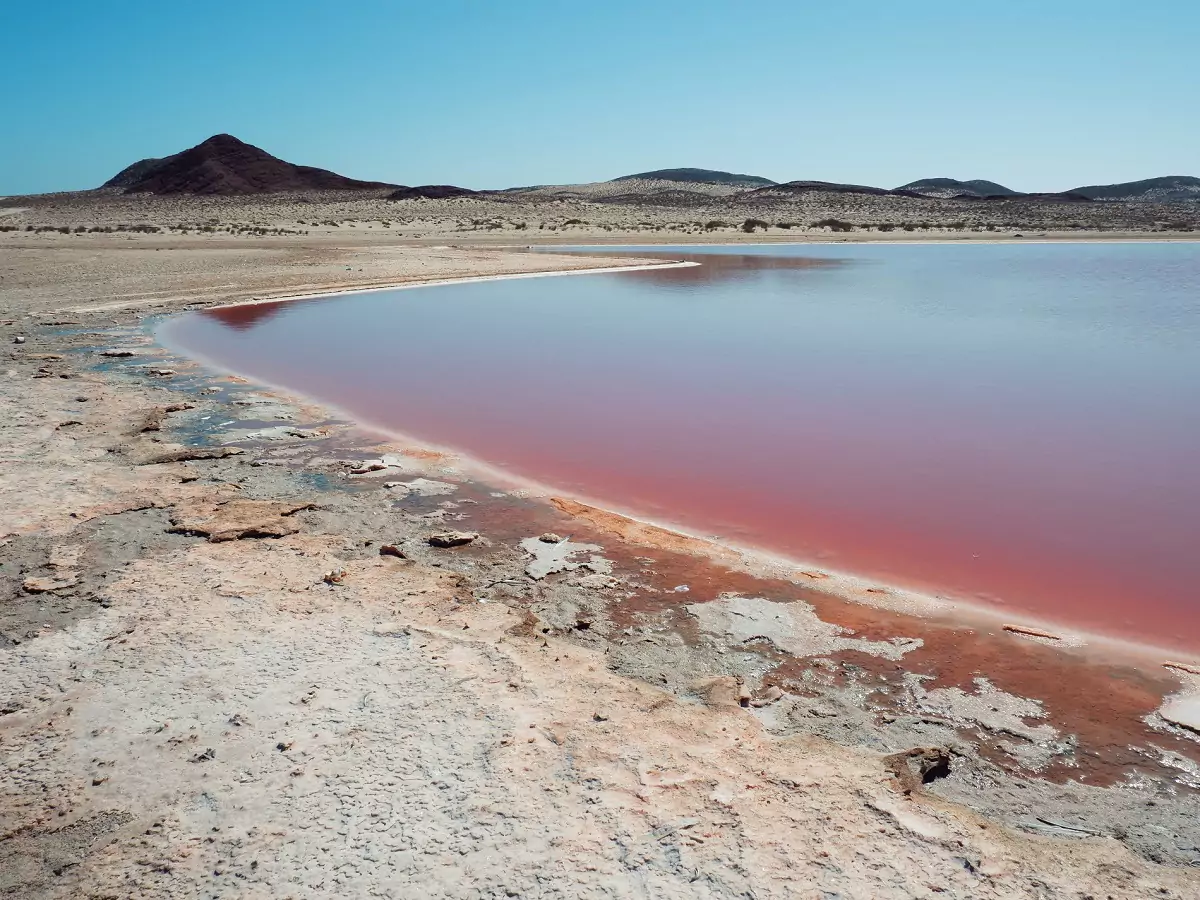
There are several places to spot photogenic pink salt lakes in Oman, mostly down the northern-central coast between Ras Al Jinz and Masirah Island. We stopped at several, the pinkest for us being at GPS point 21.654323, 59.454156.
Be aware – these are not really tourist spots. They are not manicured and pretty like salt lakes in places like Mexico (although this does mean they don’t have entry fees!). There are occasionally dead birds and some smell pretty bad, plus there can be trash (trash is an issue throughout Oman, though, and these places are no worse than anywhere else).
Further south, the drive towards Shannah Port (for Masirah) also passes some shallow lakes with pink hues. It looks like there is no horizon, with a pink sky!

3. Stand Atop One of Arabia’s Tallest Mountains
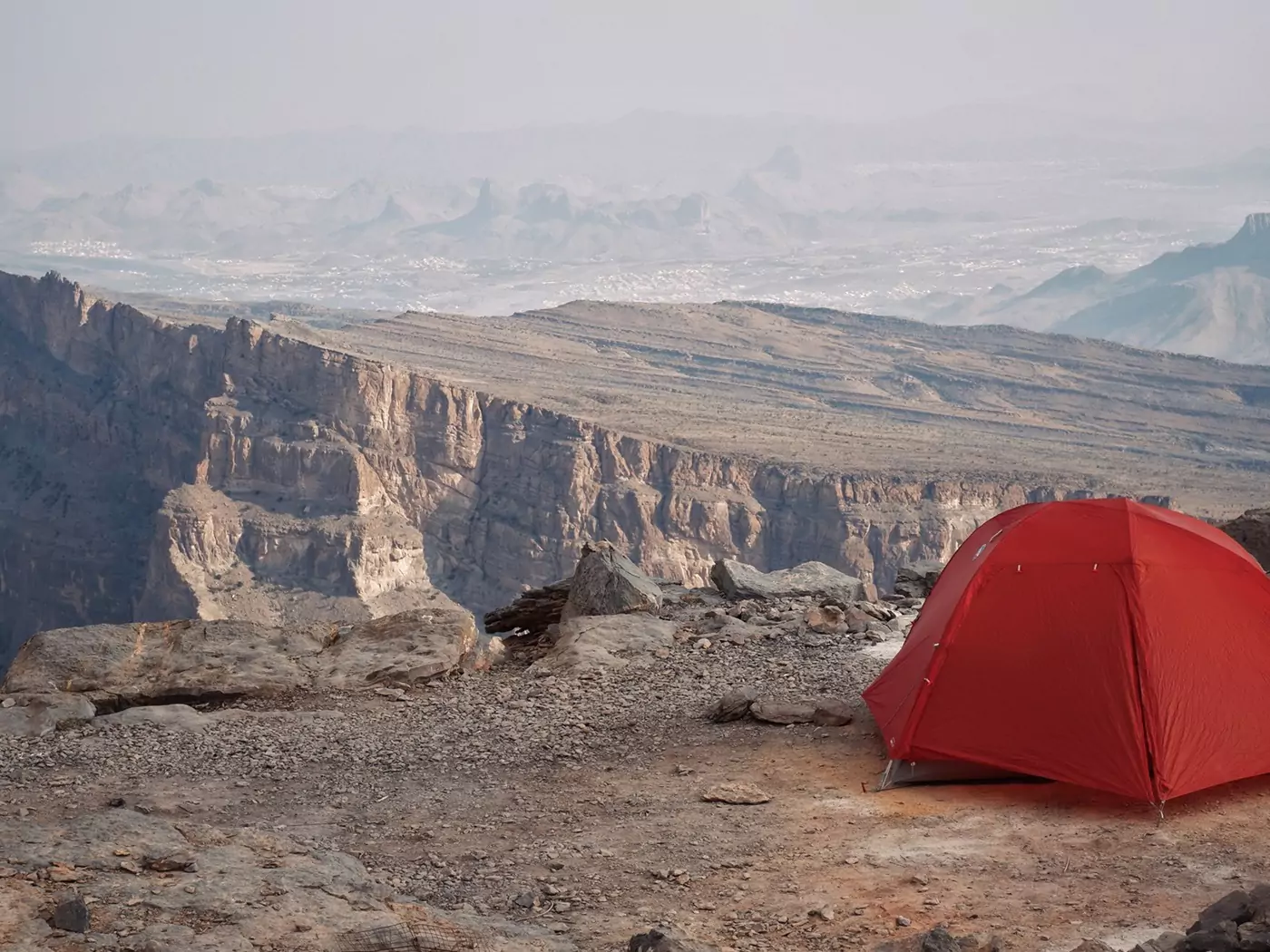
The Western Hajar Mountains are magnificent, and the highest point in the range (and the country) is Jebel Shams ( translates to ‘Mountain of the Sun’).
It’s a reasonably popular stop for road-trippers in Oman and is easy to reach by a several-hour drive from Nizwa.
Although Shams is popular for tourists, it sees far less visitors than nearby Jebel Akhdar (despite the 4WD requirements), which has a bunch of seriously luxurious hotels and some very touristy, commercial hikes. Conversely, Jebel Shams is a bit more rustic and less-resorty.
The mountain sits aside Wadi Ghul and Wadi Al Nakhr, also known as the ‘Grand Canyon of Arabia‘, which drops about a kilometre almost directly down. The best views can be seen on the W6 – Balcony Hike, which traverses the inner canyon and passes an ancient cliff dwelling.
4. Have a Beachy, Coastal Adventure
So, this point may seem a bit vague, but only because there are so many excellent beaches in Oman.
I’m not talking about chilling out on a Muscat resort beach, I’m talking about driving off road tracks to tiny coves, camping in sand dunes by the sea, and chatting with free divers. It’s all about finding blow holes, spotting turtles, and hiking to coastal caves.
There’s a whole 3165 kilometres of coastline in Oman with no end of exciting things to find, see and experience, like:
⬩ visit Humrat Cave for mad views and local picnics
⬩ see the blowholes at Mugsail Beach during summer
⬩ camp at the unreasonably white Sugar Dunes
⬩ check out Muscat’s best views at Yenkit
⬩ watch how traditional dhows are built in the maritime city of Sur


5. Adventure Through Some Sand Dunes
Driving, camping, and hiking in Oman’s vast sand dunes is a very popular excursion for visitors.
Wahiba Sands, three hours south from Muscat, is the most popular choice, with deep orange dunes that contain a cluster of desert camps of varying luxury levels. Here, you can see the famous strips of sand, a hundred metres tall, caused by winds that create these kind of sandy channels. It’s very cool.
However, there are far more remote options, including the ocean-side, sparkling white Sugar Dunes, the remote, salty-sabkha Barr Al Hikman, or even regions in the Empty Quarter (like Ubar, in the depths of Dhofar, which is actually part of a UNESCO site!). Reaching these requires a little more off-road skill, though.

6. Explore the Offroad Trails
Although all of Oman’s main roads are in tip-top condition, offroad driving is common, particularly in Oman’s mountains, and sometimes even necessary to reach the most exciting destinations.
Many mountain villages, viewpoints, and access roads are located up steep, winding tracks which require not only a decent car but some nerves, too.
Driving these roads is our absolute favourite activity in the country, allowing us to explore regions that felt so isolated, like no other tourist has ever set foot there (even though that’s almost certainly inaccurate).
The best regions are in the Dhofar Mountains surrounding Salalah, Mirbat and Sadah, and anywhere in the east or west Hajar Mountains.


GOT MORE TIME IN OMAN?
Explore some wadis:
Take a look at our 13 favourite wadis
Hike Oman’s favourite Wadi Shab
Live in a fairytale at the Wadi Damm pools
Drive through rivers at Wadi Dayqah
Explore the quirky white pools of Wadi Abyad
or the magnificent waterfalls of Wadi Darbat
Explore the north:
Feel intrepid on an Oman offroad mountains itinerary
Discover what dramatic means with this Salalah itinerary
See some offbeat spots around Sur
Explore Oman’s cultural heart in Nizwa
Prepare with our Oman driving guide
Max out your time with these Muscat day trips
–
7. Go Camping Offgrid
Oman’s camping culture is entirely unique and unmatched.
Whether it’s in the sand dunes, beaches or mountains, the country offers everything you could possibly wish for in the great outdoors.
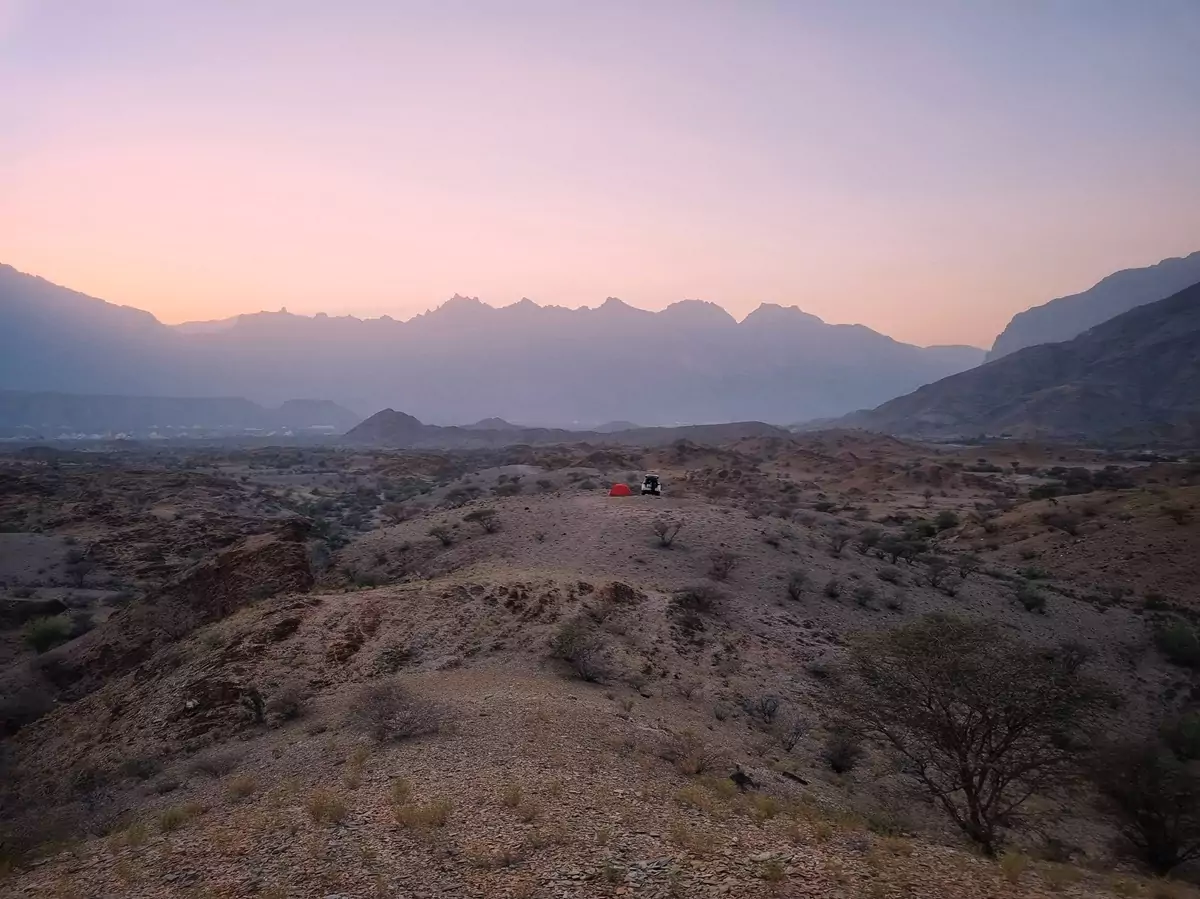
Developed camp grounds don’t really exist in Oman, so you shouldn’t expect facilities or even designated areas.
The rules are simple – you can basically camp anywhere that isn’t private property or farmland. In a country of only five million people, this gives you a whole lot of choice and space!

8. Take a Hike
This is another vague one, but had to be mentioned because of the plethora of possibilities available.
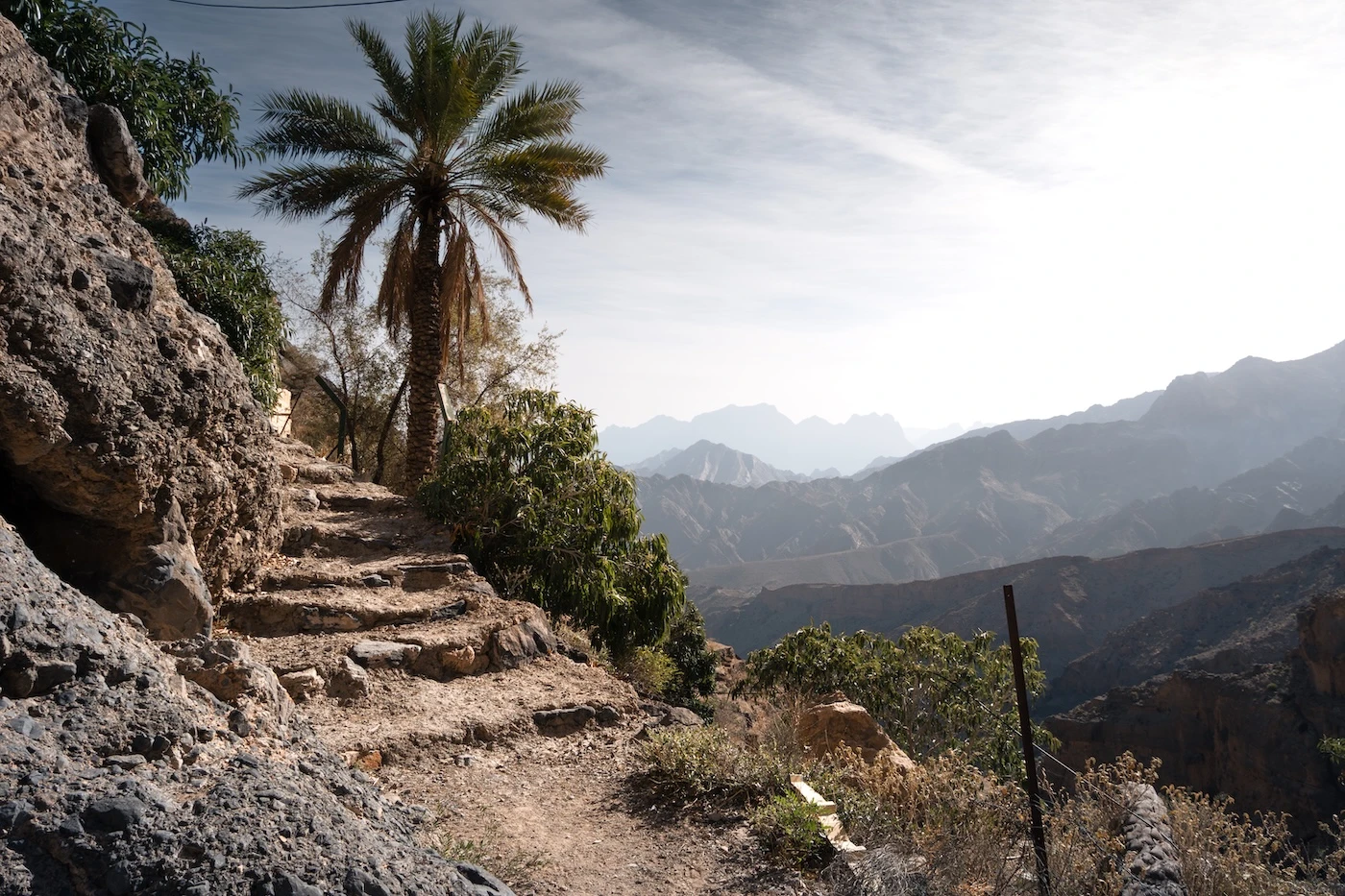
Oman has designated, highly challenging trekking routes, if that’s your cup of tea. There are numbered, subtly marked routes that cross the mountains and valleys of Oman – it’s a thru-hiker’s dream (they’re often overnight or longer).
There are also canyoneering style adventure hikes, nerve-wracking cliffside ledge walks, easy bouldering experiences through a slot canyons, or just casual strolls down a beach.
Popular hiking options include:
⬩ The Balcony Hike of Jebel Shams: a popular easy/moderate hike within the ‘Grand Canyon of Arabia‘. Also called the W6 hike.
⬩ Snake Canyon/Wadi Bimmah: amazing canyoneering and bouldering adventures in Wadi Bani Awf, north of Nizwa (guide required).
⬩ Little Snake Canyon: just north of the above, this is an easy hike through a slot canyon full of pools.
⬩ Wakan Village: a stunning historic village hike atop a mountain in the Ghubrah Bowl/Wadi Mistal. The strenuous W25 from Wakan Village merges with the W24 to lead all the way over to Jebel Akhdar’s village of Al Manakhir!
⬩ Jebel Akhdar: shorter hikes around small, sometimes abandoned villages dotted across the plateau – including the well-known W18b Three Villages Hike and the more exciting Lost Villages Hike (W16) or, my favourite, the cliff top W19.
⬩ Misfat Al Abriyeen: a hike up the greenest canyon I’ve seen in Oman, following a falaj to its source and beyond (W9).
⬩ Wadi As Sahtan: my personal favourite place to go hiking in Oman, in the shadow of the peak of Jebel Shams – the steep W3 leads from Wijmah all the way to Jebel Shams!
Plus the numerous wadi hikes mentioned above.
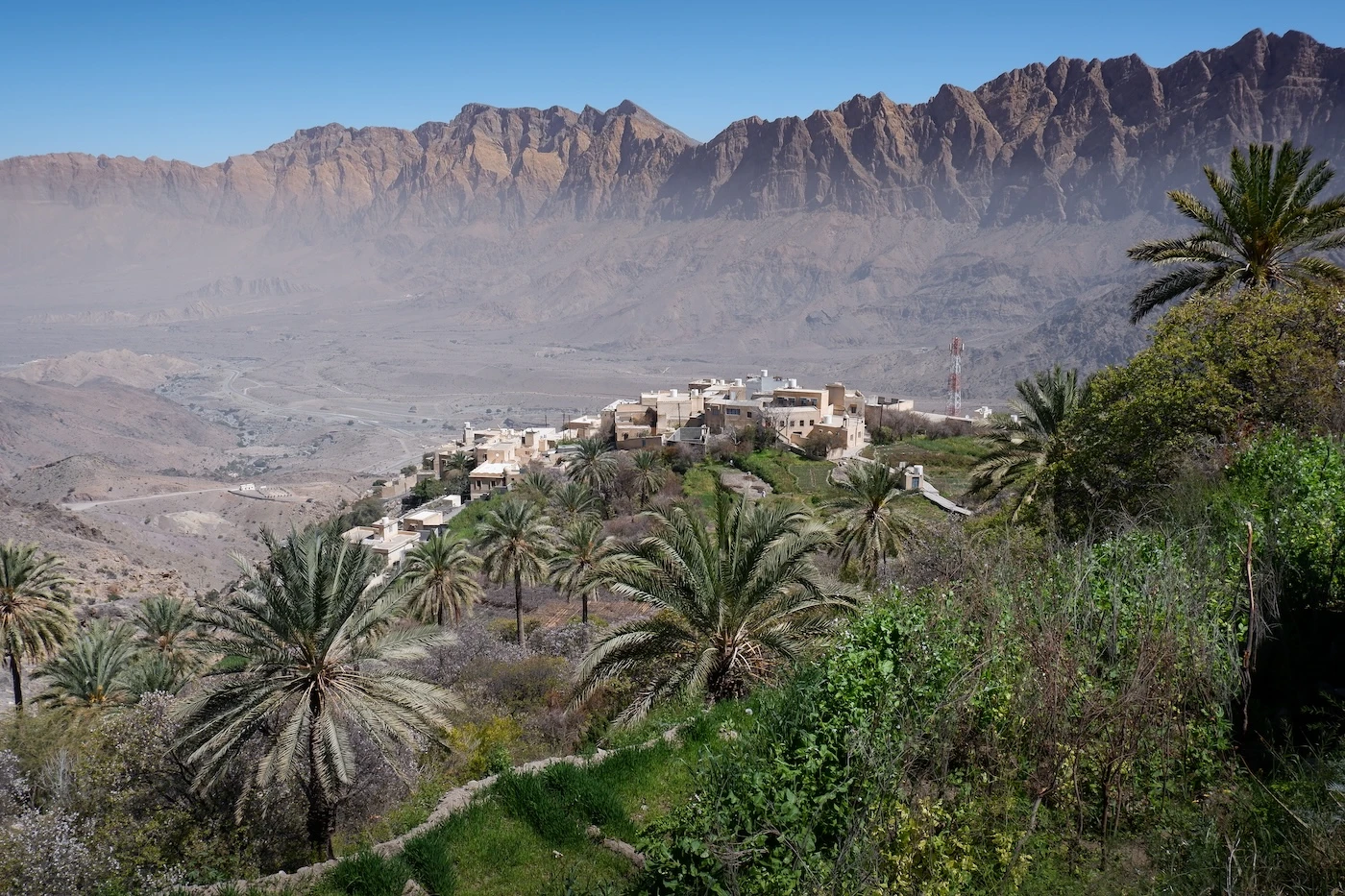
9. Picnic at Wadi Dayqah Dam
Built in 2012, Wadi Dayqah is home to Oman’s largest dam. A little over an hour’s drive south of Muscat, it’s host to a spectacular green-blue lake, park, picnic areas and even public bathrooms (a rarity in Oman).
The area comprises of two dams, the largest of which is 75 metres tall. The 8-kilometre-long lake is surrounded by jagged peaks and, for us, has always been totally empty. It’s a perfect introduction to the mountainous region of Oman after leaving Muscat, especially if you have kids.
If you are travelling with children, it would be an excellent stop for lunch or a longer, leisurely afternoon.


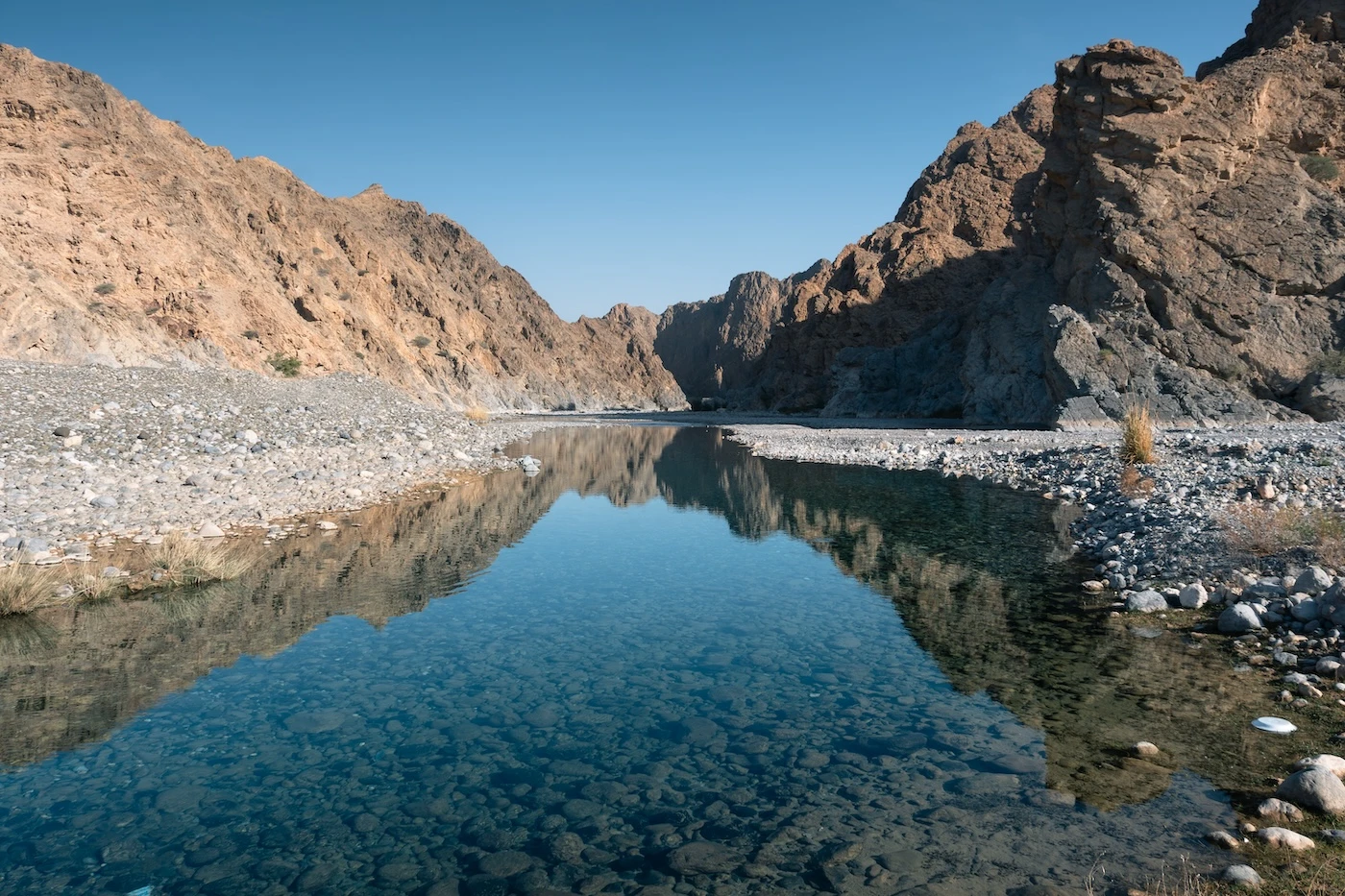

10. Explore the Fins Shoreline
There are many miles of dramatic coastline in Oman and much of the best can be found along the south coast near Salalah (in our opinion).
However, if you want to experience some scenic sea views much nearer to Muscat, then the bluest waters and prettiest beach coves, all backed by dramatic mountains, can be found in the Fins region. It’s not the best for swimming, we’ve always found the water to be pretty rough and the shores quite pebbly (although I’ve see Omanis swim on the beaches – they’ll always find a way).
This area also has some of the prettiest coastal camping with easy access for any type of car, plus this strip of shoreline is adjacent to a handful of Oman’s best wadis.

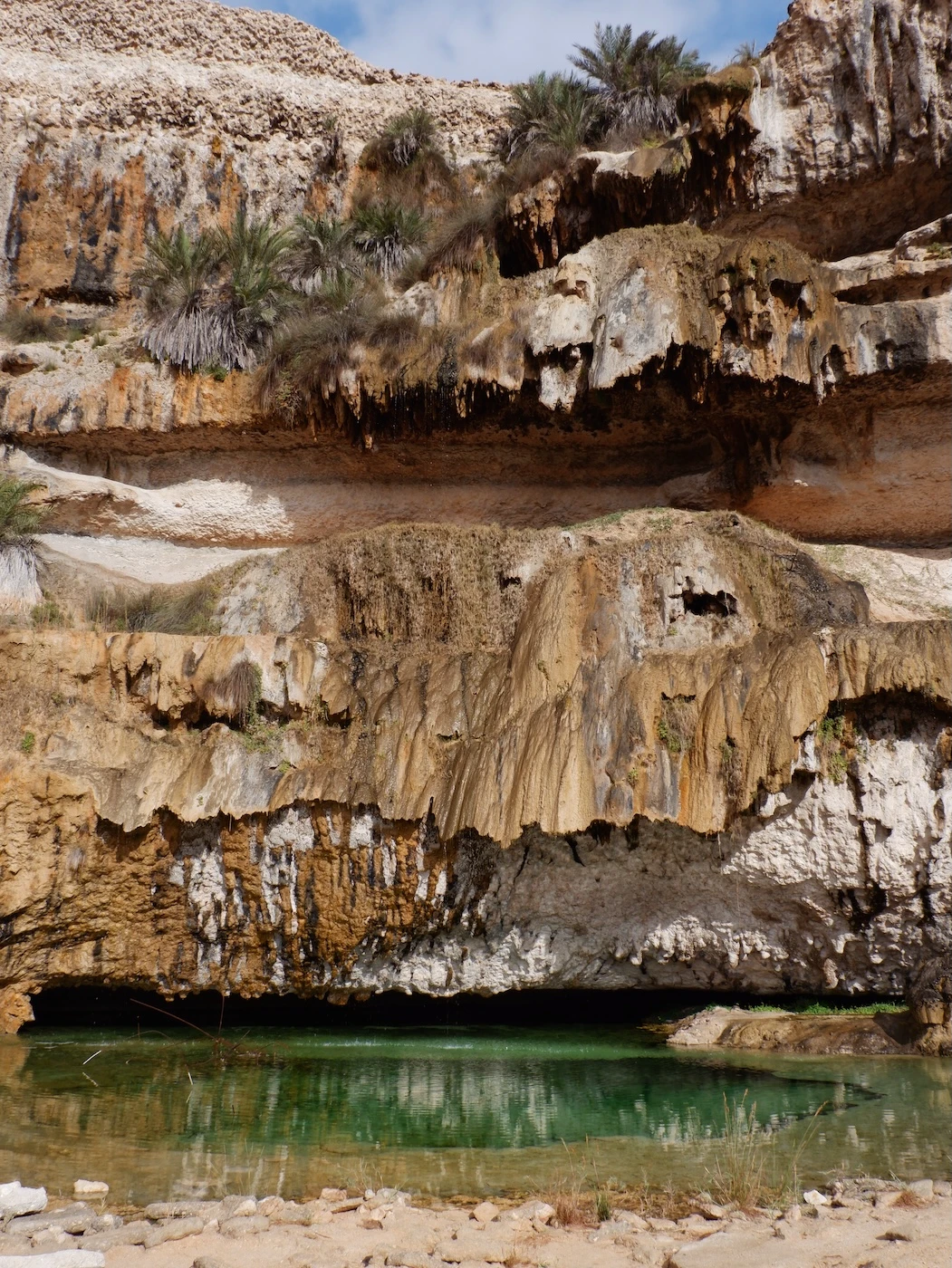
11. Find the Travertine
Oman seems to be entirely made of limestone (it’s not, but there is a lot of it!).
This means that, where there is water flowing from underground long term, there is a build up of calcium deposits that look, well, a bit other-worldly.
Mostly in the south, you’ll see spectacular displays of travertine around the waterfalls that follow from the Khareef (rainy season) and it’s quite spectacular.
The most impressive we’ve seen is at Wadi Darbat’s travertine falls, which is just immense. There are lots of other waterfalls around Salalah, too, which have these natural mineral deposits.
Then there’s some absolutely rogue spots that we’ve found accidentally, like at Ash Shuwaymiyyah.

CAR HIRE FOR YOUR OMAN TRIP
We always rent our vehicles all over the world, including our recent trips in Oman, Saudi Arabia, Tunisia and Morocco, with Discover Cars. They’re often the most affordable, plus they paid out immediately on an insurance claim we made when our car took some heavy damage in Sicily.
Find out why we fully recommend them.
–
TAKE A LOOK BELOW OR CHECK CAR RENTAL
Cultural and Historic Sights in Oman
12. Visit the Ancient Heart of Nizwa
Nizwa is the oldest city in Oman and considered the cultural capital of the country. It’s an easy day trip from Muscat, around a 1.5-hour drive away.
The old town, fort and souq are all worth checking out (and are all adjacent to each other), as well as the nearby mountain scenery. There is an abundance of comfortable accommodation options and if you can visit on a Friday, do not miss the hectic livestock market.
Check out our guide for a full list of things to do in Nizwa.
13. Spot a Dhow
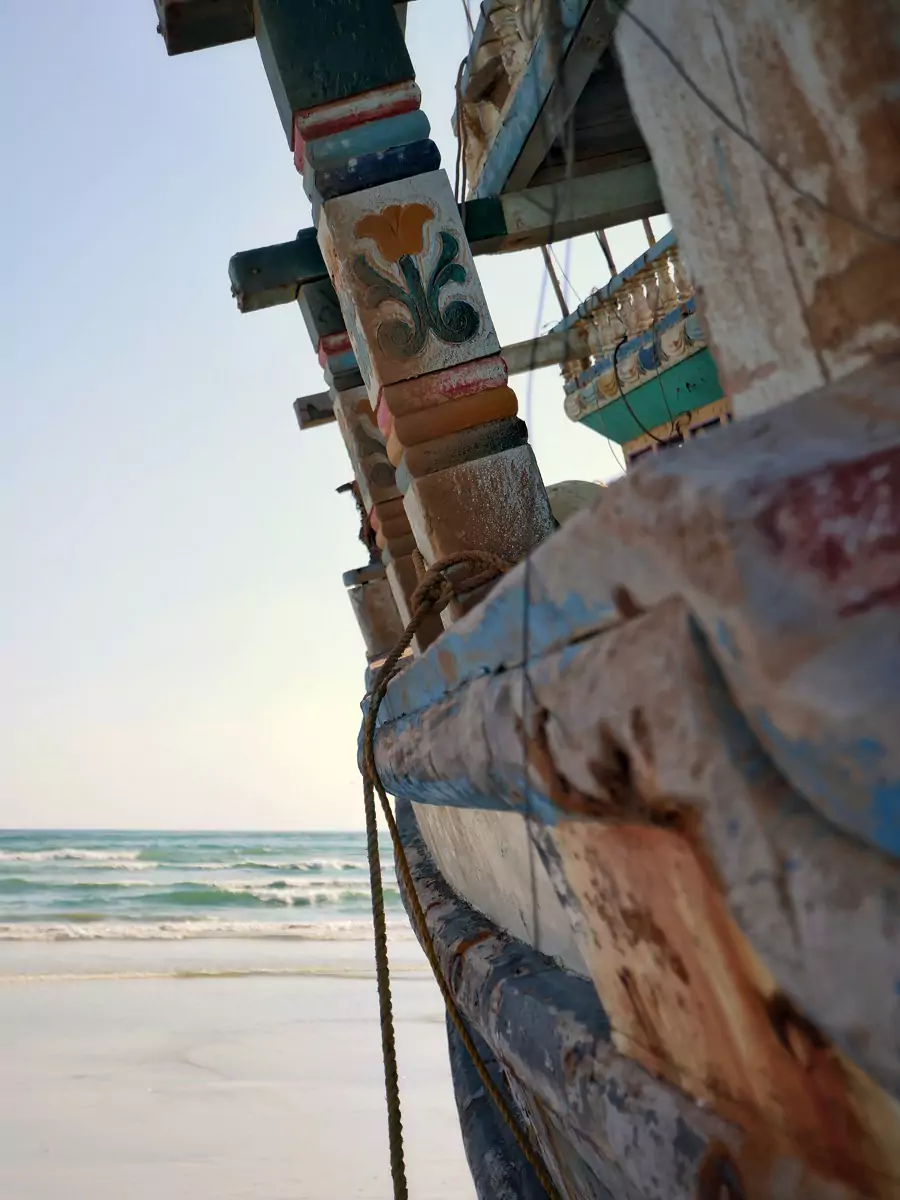
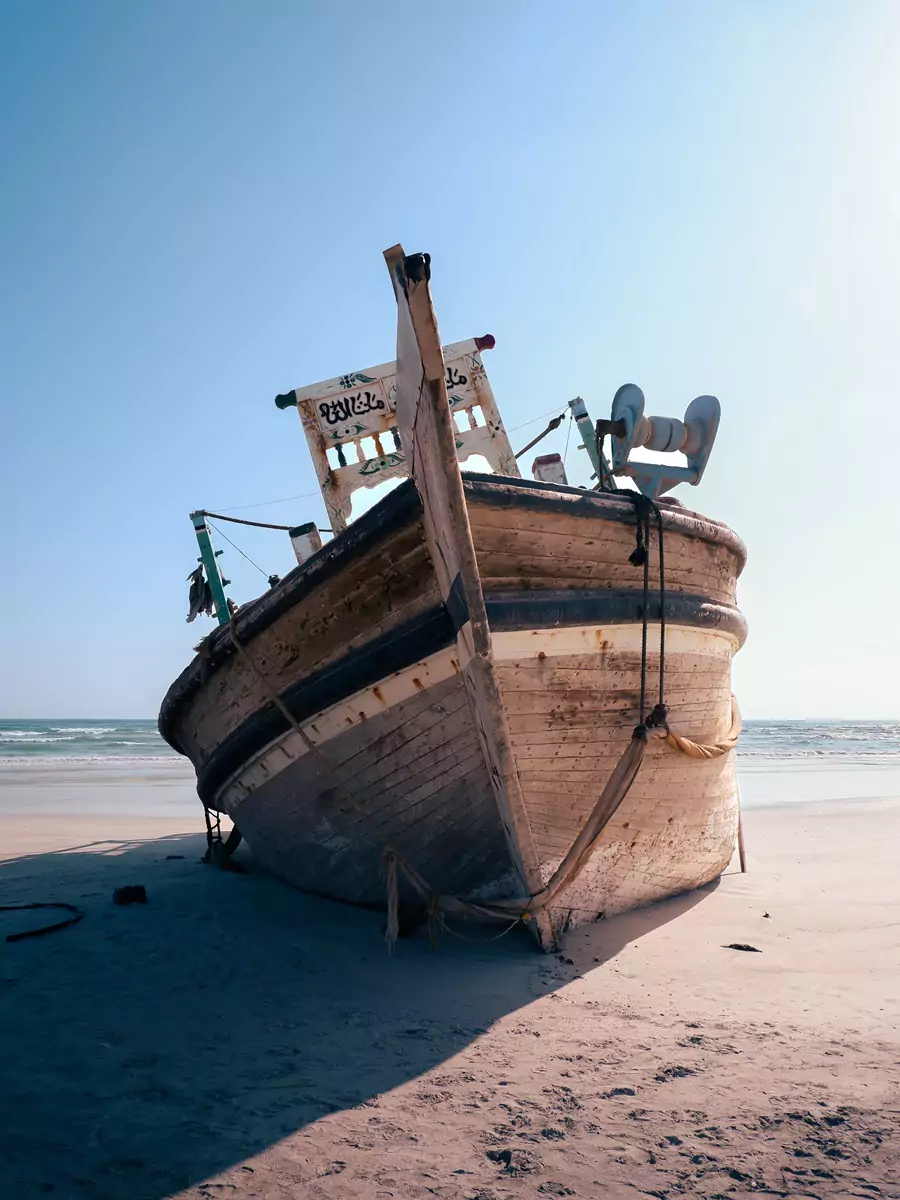
Dhows are traditional Arabian wooden boats, common in parts of Oman and historically crafted by hand for centuries in the port town of Sur.
This ship-building industry has survived, to this day, where you can still observe them being constructed by hand. The Sur Maritime Museum is useful for providing some historical perspective, too.
The boats were traditionally built as cargo vessels, now they’re currently used for fishing and tourist trips. In certain regions, such as Musandam and around Shannon Port near Masirah Island, working boats can still be spotted from the shore.
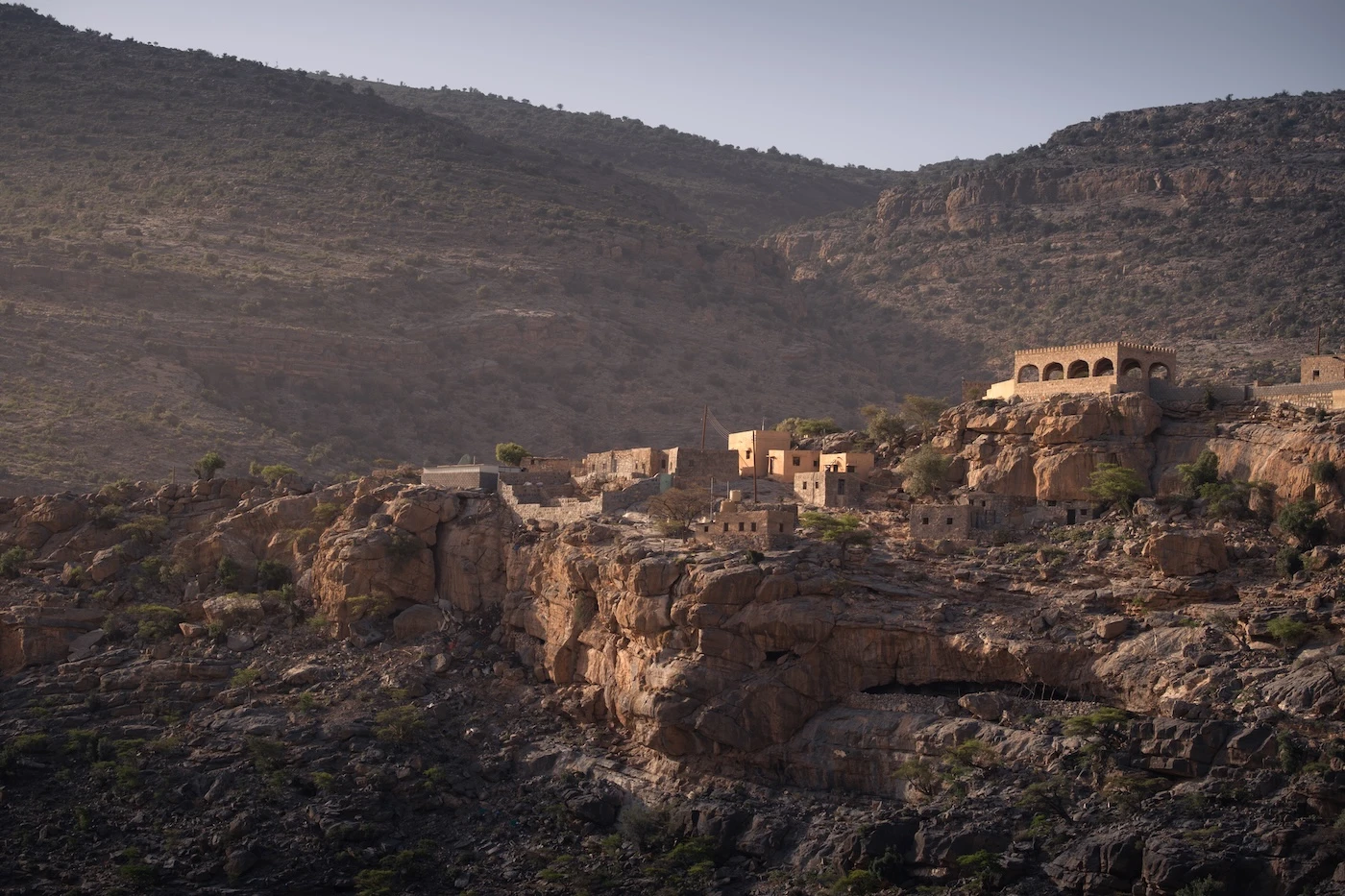
14. Wander Around Wakan Village
Wakan village is a stunning historic mountain-top village, 2000 metres up in the western Hajar Mountains, accessed by a narrow four-wheel drive track.
There are hikes, an aptly named café, terraced gardens, date palms, plus exceptional views over Wadi Mistal below.
Meandering up through the village takes you along an ancient falaj (irrigation method) stream, through groves of fruit trees to some outrageously beautiful viewpoints, which also provides access to longer hikes (mentioned above) if you are feeling energetic.

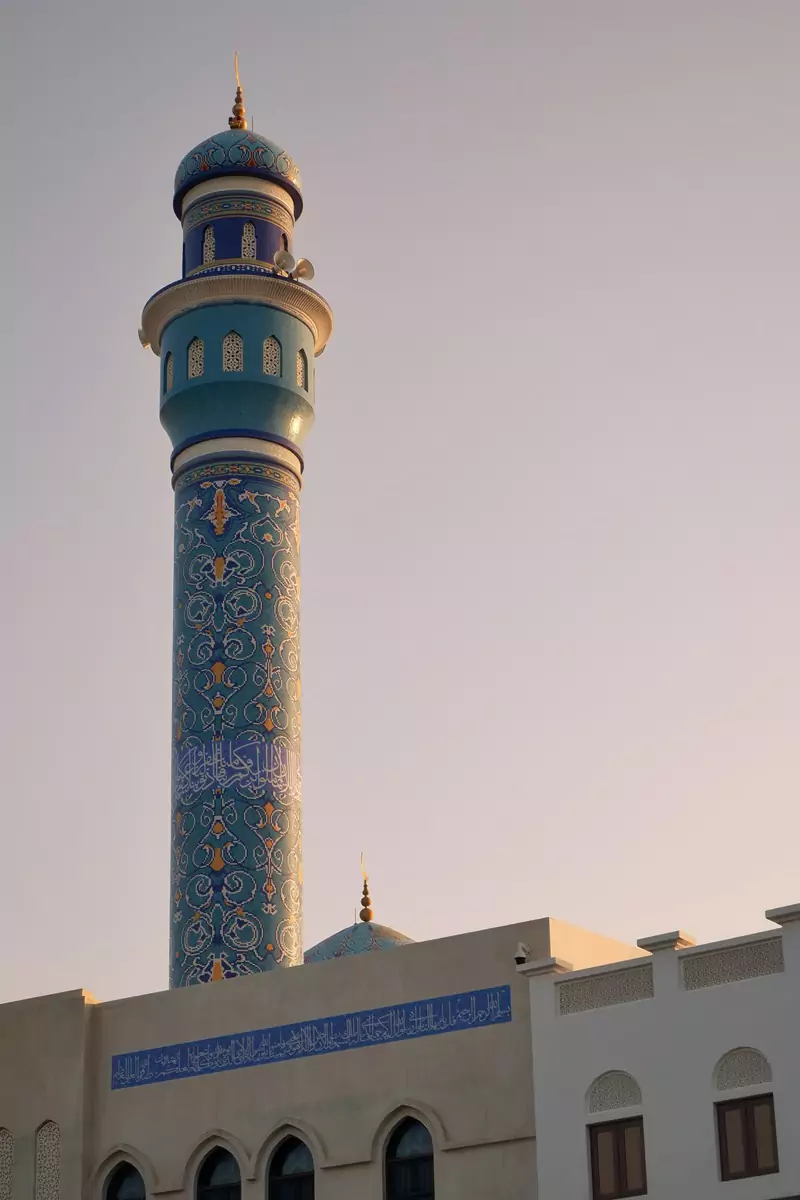
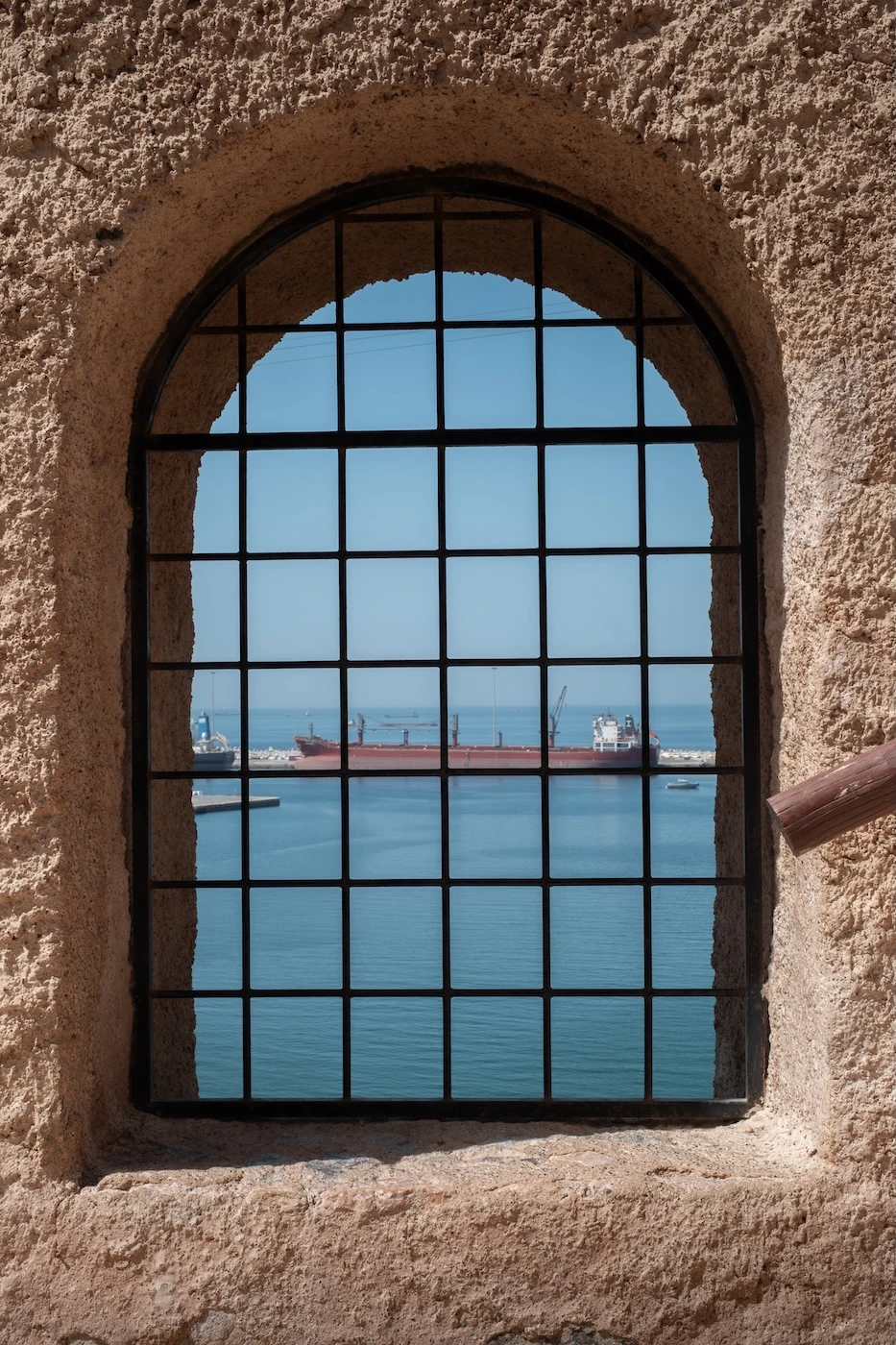
15. Visit Muscat’s Mutrah Waterfront
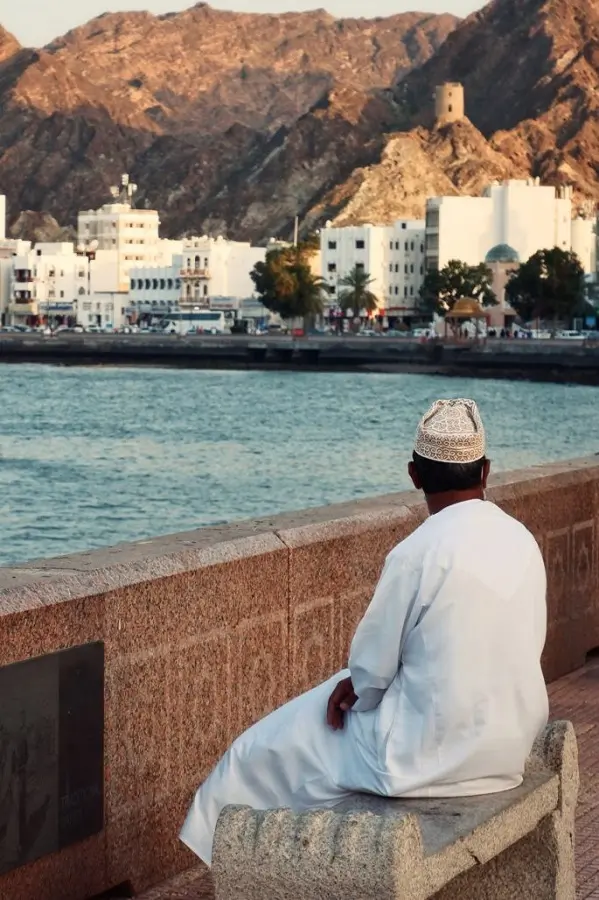
Mutrah is a smallish old-town area within the capital city of Muscat.
It’s the home to the renowned Muscat souq and where the cruise ships come into dock (check for dates if you want to avoid them). There are little restaurants and walkways along the corniche (a lattice of buildings that conceal the enormous souq).
The evening is a particularly beautiful time to visit, with the sun glow on the crescent of mountains that surround the waterfront.
A few things to do:
⬩ Visit the souq (it’s not my favourite vibe, though)
⬩ Pop up Mutrah Fort (it’s a little overpriced at 5 OMR but probably worth doing if you’re not visiting any others)
⬩ Wander around the fish market (if you vibe with dead fish – go early around 7 am)
⬩ Eat at Bait Al Luban (for the Anthony Bourdain feels)
⬩ Visit Riyam Park and see the censer
⬩ Learn about the mysterious Sur Al Lawatyah
⬩ Explore the ancient old town and visit a museum
GOT EVEN MORE TIME IN OMAN?
Go camping:
Sleep under the stars at these amazing wild camping locations
Plan your trip with our Oman camping guide
Camp atop Oman’s highest mountain
or camp in the palest of Oman’s deserts at the Sugar Dunes
or have a totally unique adventure:
Spot the most remote beehive tombs in Oman
Wander around Oman’s most photogenic fort
Learn about livestock at the Nizwa goat market
Take a look around Oman’s most unique fortification
Drive up Oman’s most popular mountain
Find a way into Bat’s 5000-year-old tombs
–
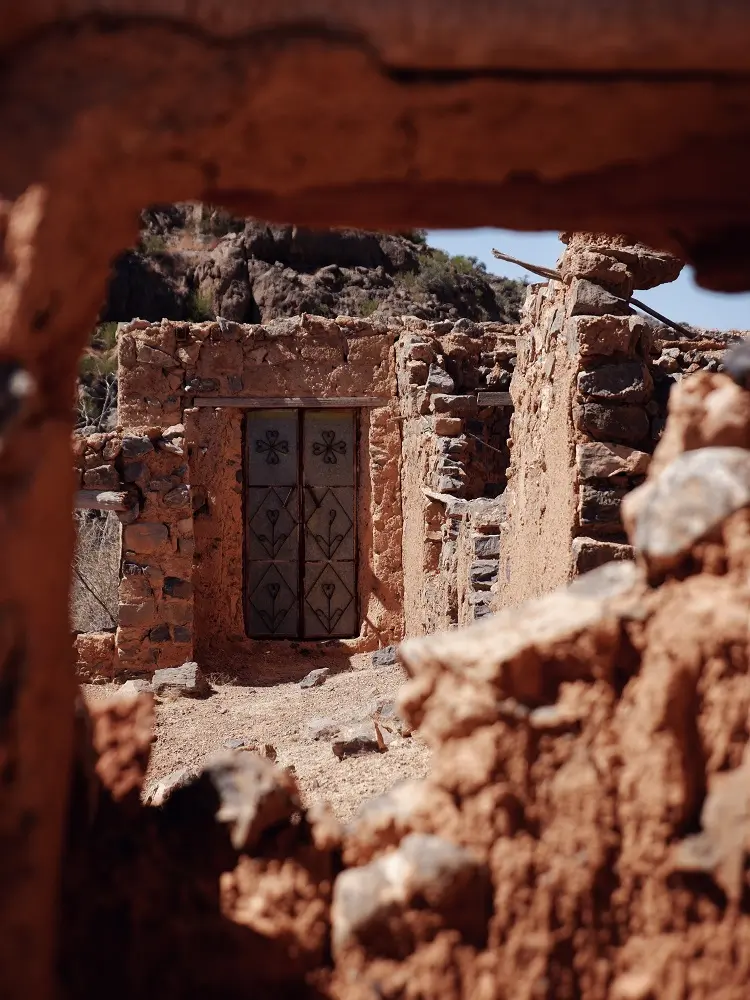
16. Explore Some Ancient (Mud)bricks
Oman has so many seriously fascinating abandoned villages and historical buildings. It’s fascinating: the country went through a sort of renaissance from the 1970s onward, so there are entire towns that were simply abandoned as the country modernised. This means you can see abandoned buildings everywhere.
Some of the crumbling settlements are far older than that, though. The history and age obviously vary, but any of them are an interesting introduction to Omani history and culture.
These villages rarely have an entry fee and often blend harmoniously with the mountainous landscapes, making them more than just historically interesting.
There are too many to mention them all here specifically but here are a few significant or interesting ones:
⬩ Khor Rori is a UNESCO designated historic harbour at the mouth of Wadi Darbat, near Salalah in southern Oman. It was originally used in the frankincense trade, and here you can visit the ancient city ruins of Sumhuram which was founded in the third century BCE.
⬩ A totally different, more recent set of ruins are the destroyed village of Tanuf, situated not far from Nizwa. This was a stronghold for Imamate rebels in the 1950s that was damaged during the Jebel Akhdar Wars and subsequently abandoned.
⬩ For a totally unvisited option, check out the abandoned mudbrick villages of Harat Al Yemen and Harat Al-Nazar, between Nizwa and Muscat. You’ll be the only visitor! Alternatively, visit nearby Birkat Al Mouz for a more tourist-friendly option (and check out the UNESCO designated aflaj).
⬩ Jebel Akhdar is full of interesting spots, including the popular hike to Wadi Bani Habib, an abandoned village along the edge of a wadi. We’ve written an entire guide to Jebel Akhdar if you’re interested.
There are quite a few older cultural sites, including ruins, particularly surrounding Nizwa. If you are heading that way, check out our list of places to see around Nizwa.


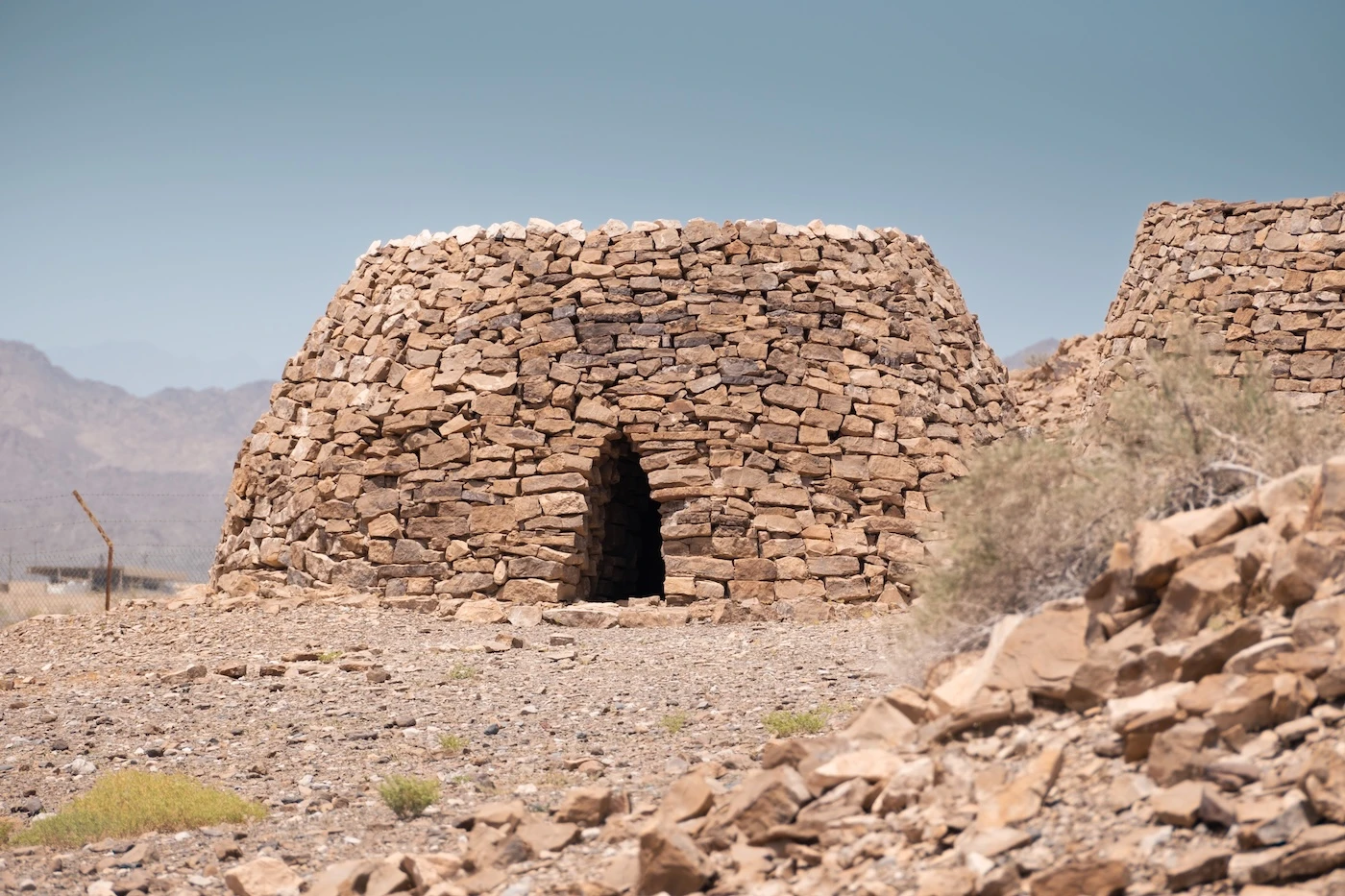
17. Discover the Ancient Beehive Tombs
Oman has 4-5 thousand-year-old beehive tombs, dotted throughout the west and eastern Hajar Mountains.
They’re basically rock piles, but super historically important ones. Some are so historically significant that they have even obtained full UNESCO heritage status. At several millennia old, these constructions are a genuine marvel and a bit mysterious – they’re some of the best preserved Bronze Age tombs in the entire world!
There are two famous sites in Oman: Al Ayn and Bat; both of which are nearby each other, a several-hour drive west from Nizwa (you only need a 2WD car). These are worth visiting if you are intending to visit Jebel Shams as they’re nearby.
The more offbeat (and spectacularly beautiful) option are the beehive tombs at Jaylah, deep in the eastern Hajar Mountains north of Sur. These require a 4WD car and are a bit of an adventure to reach (but was absolutely one of my favourite days!).


18. Wander Some Forts
Oman has some beautiful forts. Like, super, super photogenic forts.
These mostly date back to around the 13-17th centuries and have a beautiful, pinkish, adventurous feel to them, almost like a film set! In total, there are more than one thousand forts and castles across Oman, so you won’t be short of choices.
Our favourites are:
⬩ Nizwa Fort: the classic Omani fort (and most expensive!). Great views and unique, circular structure makes it worth a visit.
⬩ Nakhal Fort: absolutely the most scenic, position-wise. Lovely restoration, too.
⬩ Bahla Fort: one of the largest and oldest in the country – vast, spectacular, and empty.
⬩ Samail Fort: unknown, minimally visited, but with an absolutely spectacular setting. You’ll have it to yourself, even though it’s smack-bang between Nizwa and Muscat.
⬩ Jabreen Castle: lovely renovation, great audio guide, feels more like a home than a fort (because it actually was).
⬩ Al Hazm Fort: underrated, rarely visited, excellent renovation, beautiful rooftop – absolutely loved our visit here.


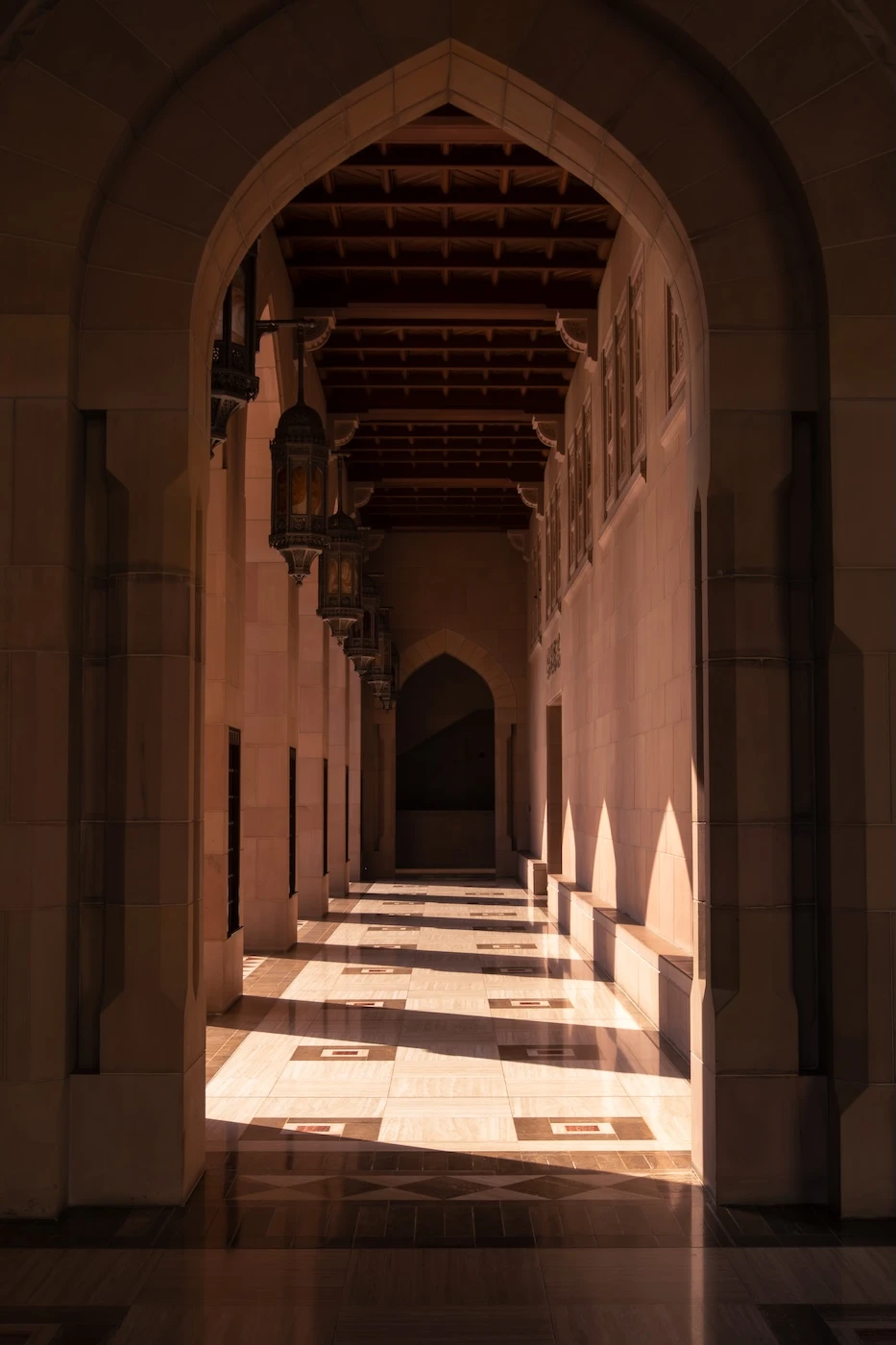
19. Experience the Sultan Qaboos Grand Mosque
Although this outrageously beautiful building is less well-known than its glitzy neighbour to the west in Abu Dhabi, the Grand Mosque in Muscat is easily my favourite of the two. It’s impossible not to spot it on your drive into Muscat from the airport – the building stands out (in a country that has a vast number of beautiful mosques).
If you are a non-Muslim, you can visit for free on any morning between 8—11am (apart from Friday) and just have a quiet wander around.
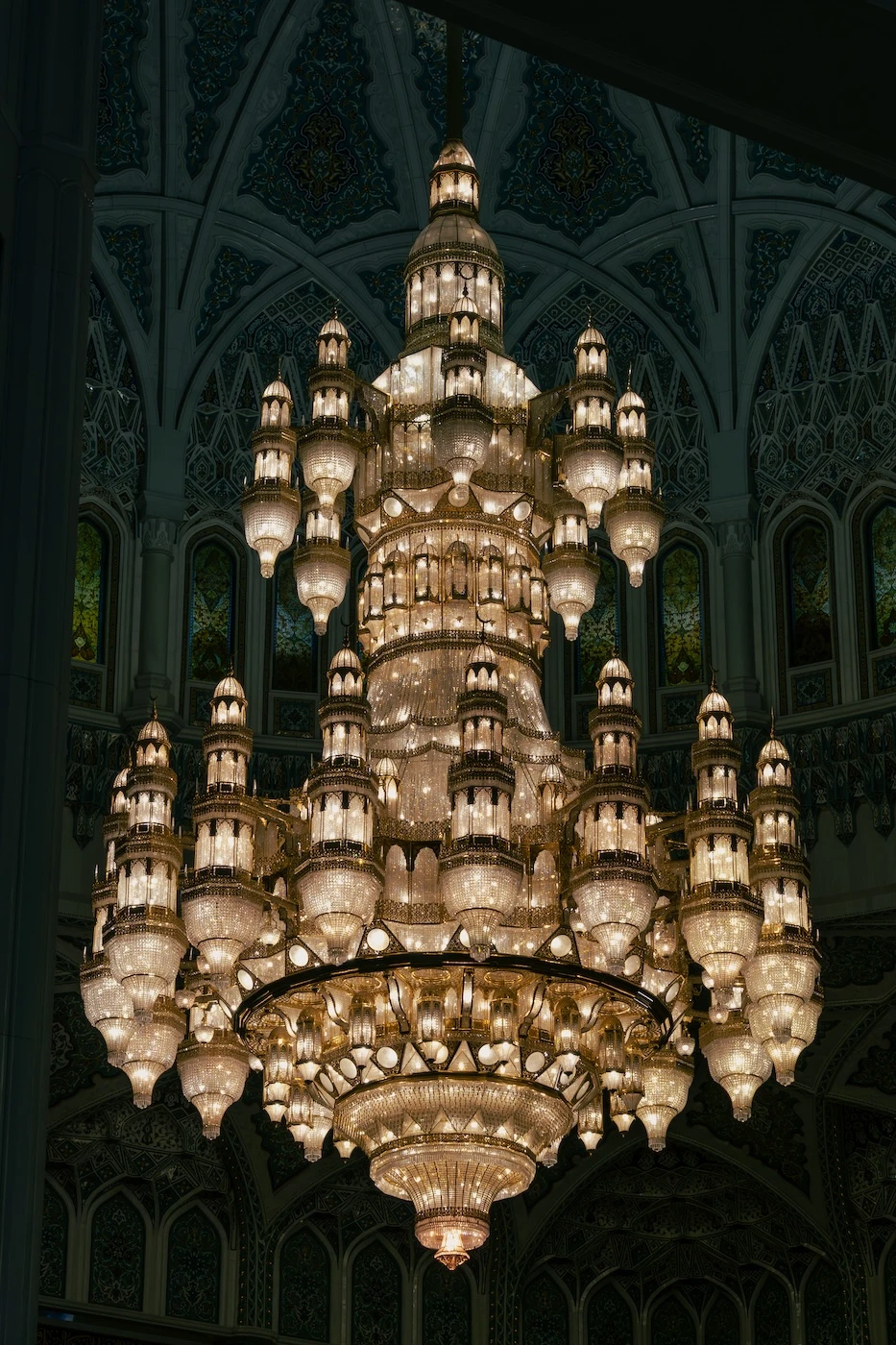
The mosque is home to the second largest handmade carpet in the world (it’s huge), along with the second largest chandelier in the world (it’s prettier than the largest one, though, in my opinion). When the Sheikh Zayed Grand Mosque was built in 2007 in Abu Dhabi, it stole the crown from Muscat on both of these records!
The Sultan Qaboos Grand Mosque is elegant, serene and, unlike its neighbour, doesn’t feel like Disneyland, at all.
Other Quirky Things to do in Oman
20. Explore an Omani Island
If you want to avoid the few other tourists Oman receives, then check out an island!
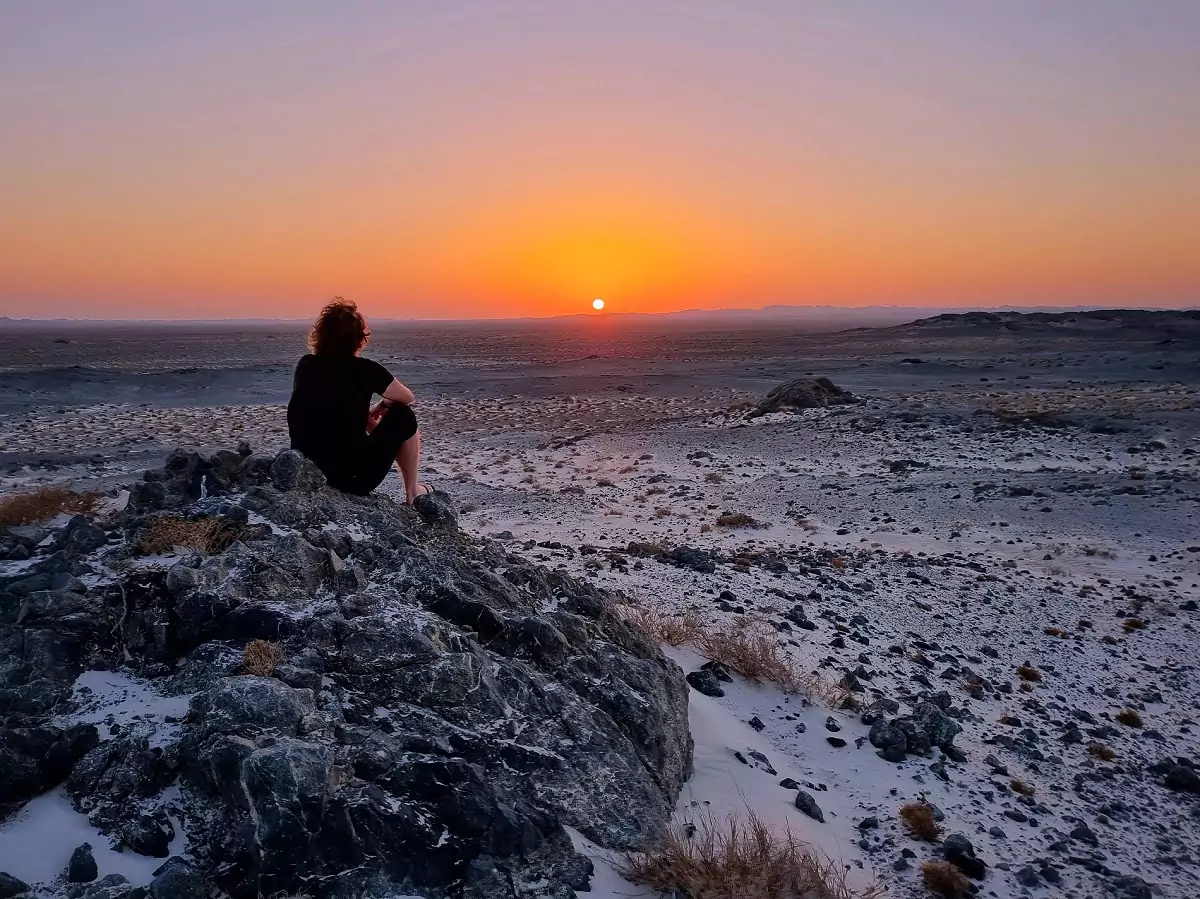
There are a few options for visiting islands in Oman, including the 59-mile long Masirah (or Mazeira), the largest one in Oman. We spent three days here and didn’t encounter a single other human after getting off the ferry (which is a bit mental, when you think about it).
With less time, consider a snorkelling tour of the Daymaniyat Islands, which are only a short boat ride from Muscat.

21. Hang Out With Some Camels
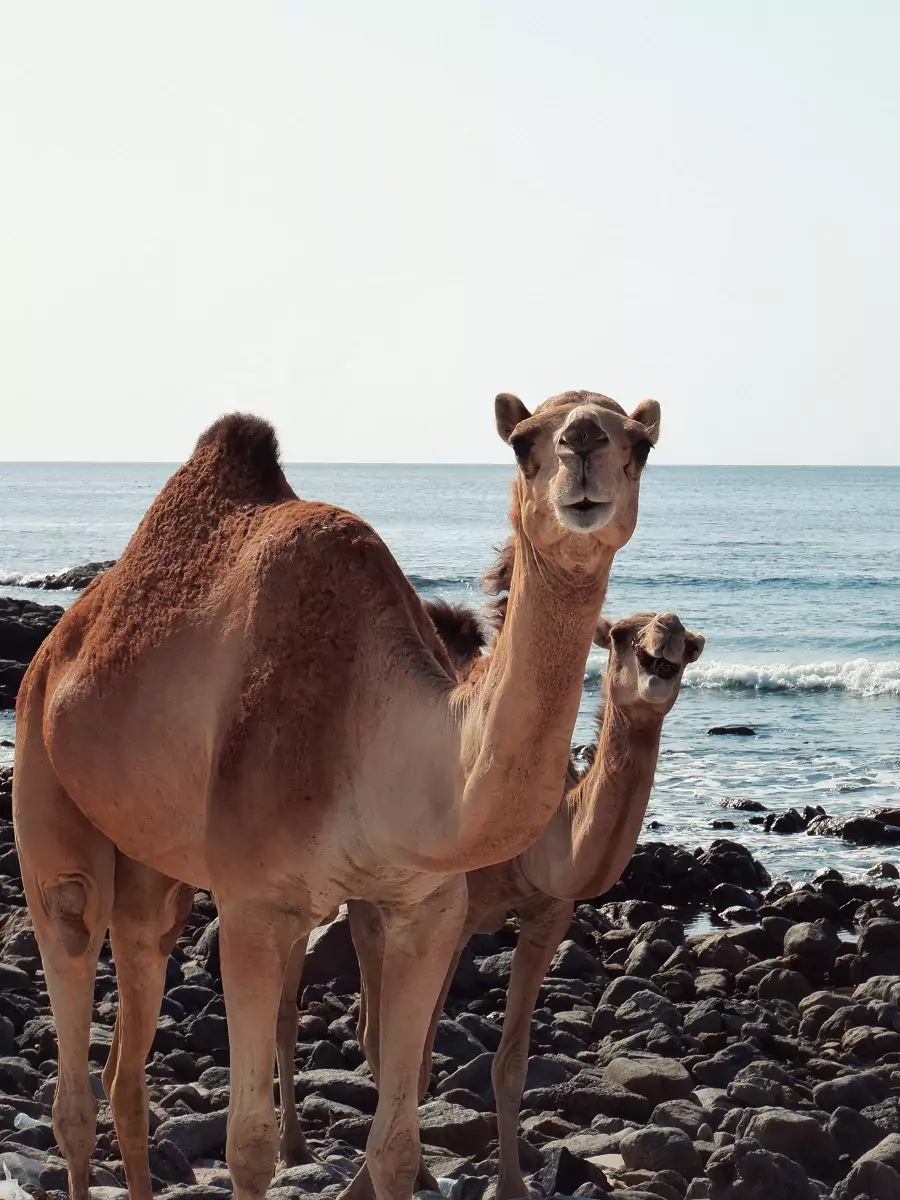
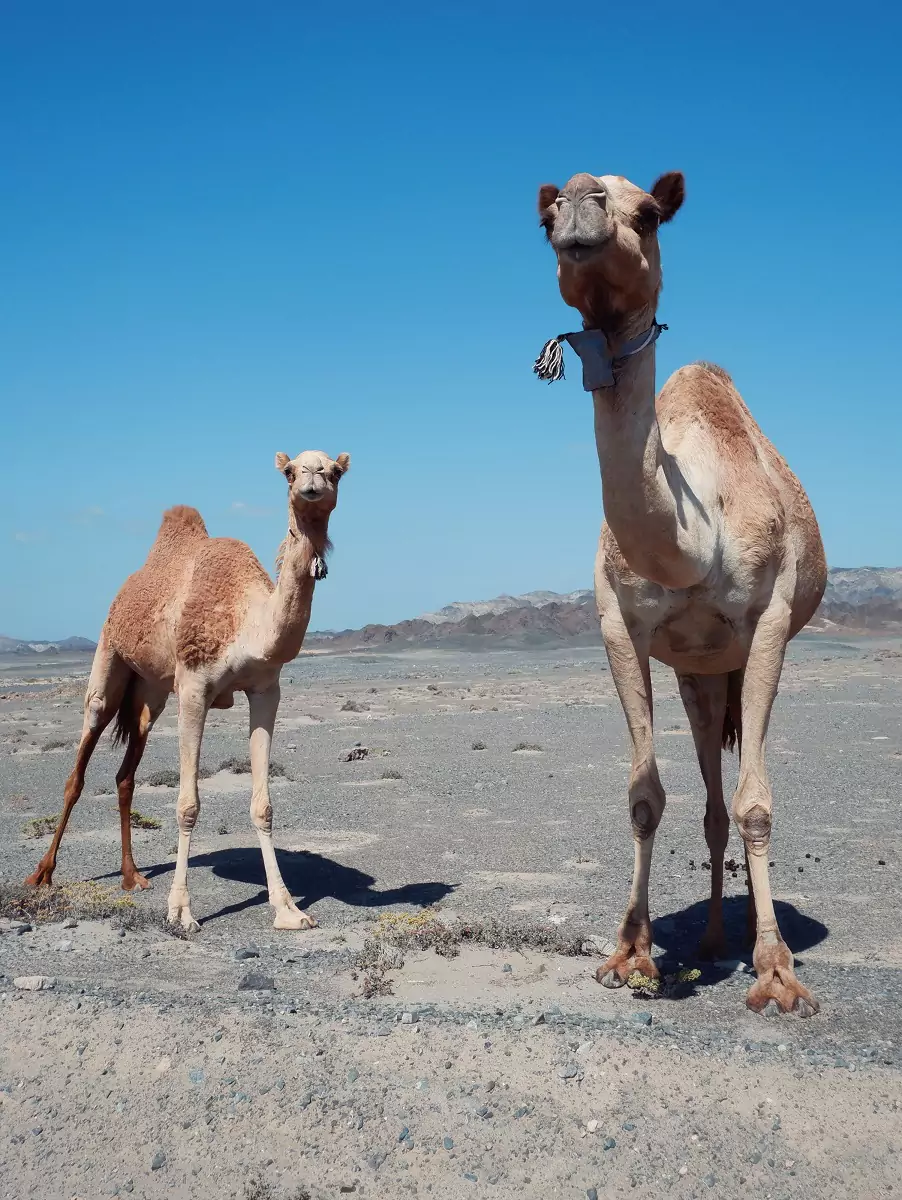
So, if you’re from Europe or North America you may not be used to seeing camels just nonchalantly wandering on by your car.
However, this novelty is commonplace across Oman and, the further south you go, the more camels you’ll likely see. From our experience, they are friendly, docile, and inquisitive.
Our funniest experience was a huge horde of camels just casually wandering down a large, multi-lane highway near Salalah, blocking tonnes of traffic, with absolutely zero fucks to give.
They don’t even smell bad – the one that tried to get into our car didn’t, anyway.
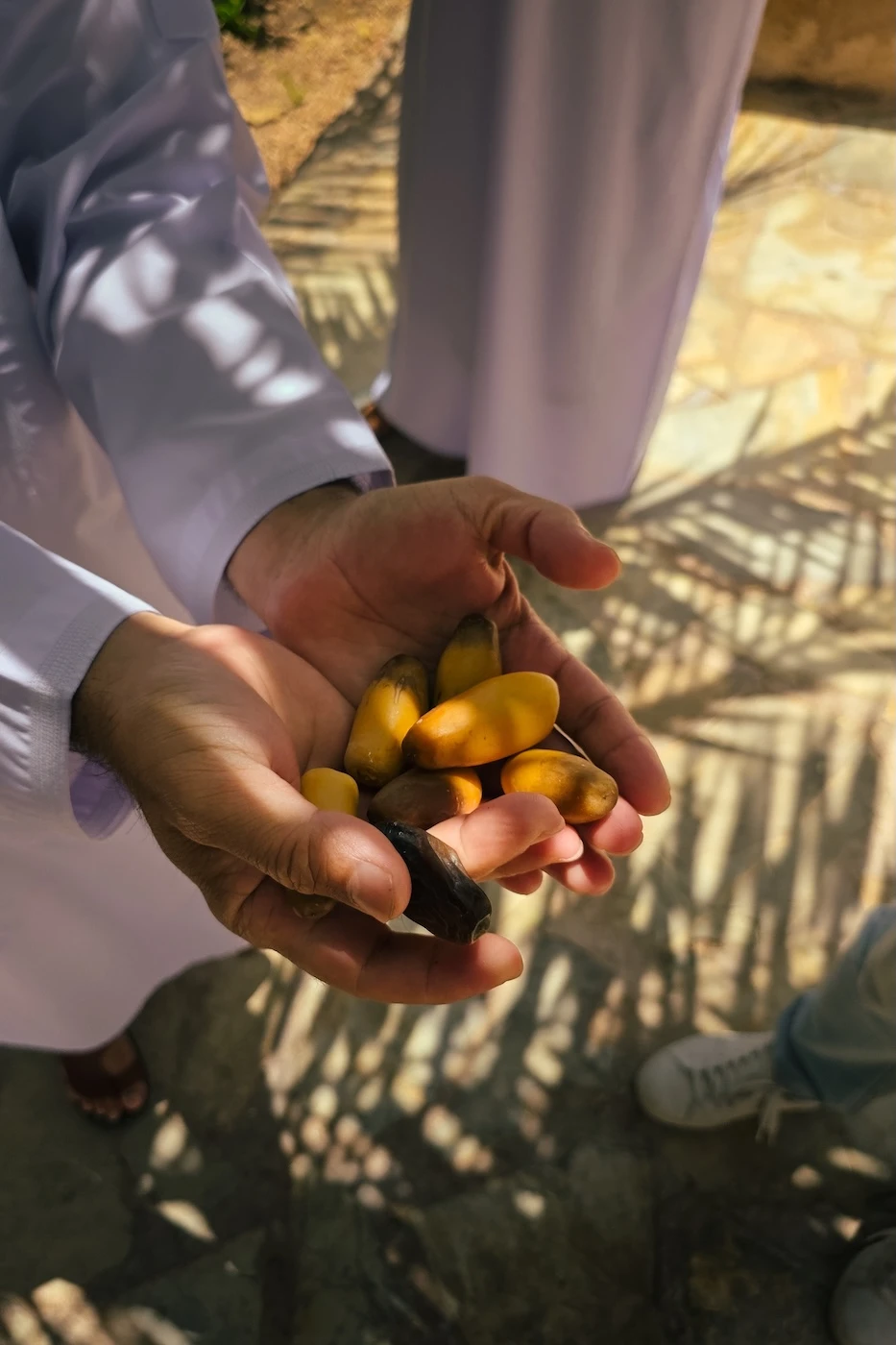
22. Share Some Local Dates and Coffee
Dates are the national food in Oman: apparently, they have more than 60 different varieties.
The local people of Oman are extraordinarily welcoming and sharing cardamom coffee, chai, oranges and dates is common.
We had unplanned stops with a variety of people throughout our trip; remember it is rude to decline (I mean, unless you have a good reason – like don’t do something you don’t want to), and don’t take photos of people’s homes or kids, it’s uncool without express permission and informed consent.

BONUS: MARVEL AT A LULU HYPERMARKET
This is a weird one but, honestly, the Lulu Supermarket chain in Oman was one of the highlights of our trip. The fresh food, variety, bakery, curries, and salads were all outstanding. As we were on an epic camping trip, this place was so perfect and we’d get excited every time we saw one!
We thoroughly recommend them, especially for vegetarians.
–
Quirky and Intriguing Things: a Map
Below is a saveable Google Map of the coolest things to include on your trip to Oman.
⬩ Green icons are for beaches.
⬩ Yellow markers are for everything else.
To save the map to your Google Maps, click on the star icon by the title.
Where to Next?
To be completely honest, this list is just a tiny slither of what Oman has to offer.
These activities and sites are the moments we enjoyed the most, but depending on your preferences, you can also see turtles hatching in Ras Al Jinz, eat a high-end meal of goat Shuwa, go scuba diving, and loads more things.
Our list of experiences is by no means comprehensive, and nor should it be. Oman is one of the most exciting countries to visit in the world, and anyone claiming they have the ‘full list’ of top experiences is probably a little short-sighted and inexperienced.
In the meantime, check out our Muscat itinerary – it’s the best place to start for planning a trip in Oman.
We hope this post helps you plan your trip a little – have a fantastic day!
Hi, thanks for visiting our blog! If this post has been of help to you, or you’ve just enjoyed our random ramblings and musings, say thank you by buying us a coffee! It helps keep The Restless Beans blog up and running.
Thank you, Claire + Nick






I have just returned from a short city break in Muscat, and this was my 7th visit to Oman (most of those for just a few days). This will tell you that I couldn’t agree more with your article !! Am trying to convince my husband to come with me on my next visit there, as we speak …. I would only like to add what wonderful people the Omanis are !
Bon voyage everyone
Gaby (from Versailles)
Seven times is a lot! We have just returned from another month in Oman, we love it so much there 🙂.
You’re right, the people really make the country special! Keep trying to persuade your husband, no matter how difficult 😂
Thank you for an honest blog about Oman. Most people assume am talking about Amman! My husband has written 2 books on Oman. Do check them out as he did all those fun things you mentioned in your blog. MyYear In Oman by Matthew Heines.https://amzn.to/42Sgwa5
I’ve had people confuse Oman with Amman too 😂.
Thank you so much for the book recommendations, I’ll check them out!
Właśnie wróciłem z dwutygodniowego objazdu po Omanie. Piękny kraj. Napewno wrócę i przejadę z północy na południe i z powrotem.
Hi Marek,
I’m glad you enjoyed your trip to Oman and want to go again!